


Swap fried iftar snacks for fresh healthy salads
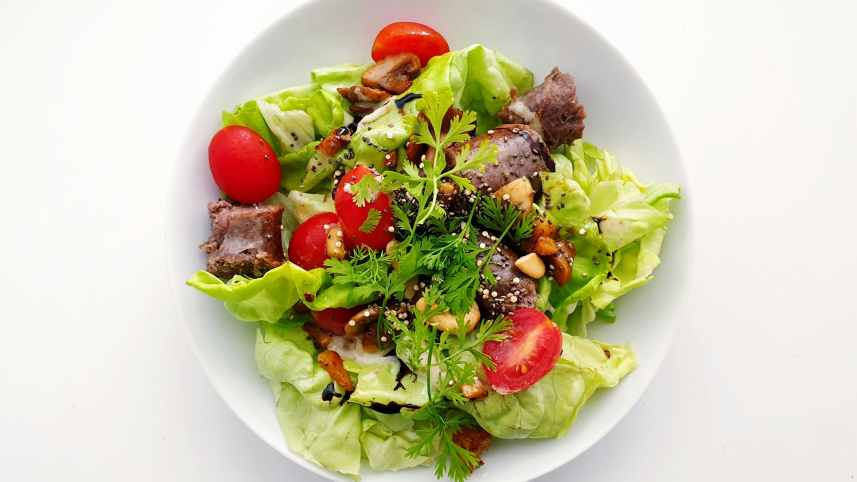
As the Maghrib adhan echoes across the city, the ritual usually begins the same way: the table fills with deep-fried favourites like piyaju, beguni, and other savoury treats. They represent tradition, but our bodies have starved for hours. They crave revival, not something that leaves us sluggish before the night’s prayers even begin. Perhaps, it is time to rethink that first bite, choosing something lighter, more hydrating and nourishing instead.
After a whole day, the body looks for easily digestible nutrients, and that’s where salads come in. From steadying blood sugar to supporting immunity, salads provide essential minerals and ease the fatigue. Although salads are often considered boring or too light for the festive iftar table, with the right mix of ingredients, they can be colourful and flavourful.

Imagine juicy tomatoes, creamy avocado, tender chickpeas or even sweet bites of banana, dates and dragon fruit, all tossed together with a hint of olive oil, lemon juice or yoghurt dressing. Salads don’t have to be plain. A sprinkle of nuts or lightly seasoned shredded white chicken can elevate them into something both nourishing and indulgent.
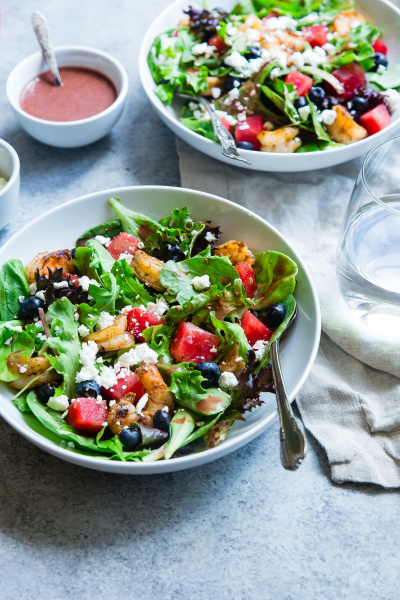
Building the perfect iftar bowl is like painting on a green canvas with different flavours. We can start with our kitchen staples like the crunch of cucumbers, sweetness of grated carrots, steamed lentils and baby spinach. Bridge these traditions with a touch of contemporary flair like dressings of cheese and spices. These are packed with water, fibre and essential vitamins which help the body rehydrate and recover fast.
Of course, a salad does not have to mean eating only leaves. Adding clean protein makes it satisfying and keeps energy levels steady through the evening. Boiled chickpeas, grilled or lightly seasoned white chicken or even sliced soft-boiled eggs can turn a simple bowl into a complete and energising meal.
Fruit is already a familiar part of iftar. Instead of serving it plain, they can be turned into lively salads with sliced apples, pears, dates or even dragon fruit. A sprinkle of chaat masala, a touch of honey or an occasional scoop of ice cream can make it feel festive. These are rich in natural sugars and help restore energy gently after a long fast.
Enhance salads with nuts: cashews for buttery richness, almonds for crisp snap, peanuts for bold crunch. These offer healthy fats and calories. Toasted nuts add the texture, while chia seeds bring an extra boost of fibre and nutrients. Cashew nut salads have redefined the urban palate in recent years. Including nuts in your iftar ensures that your hearty choice is also a healthy one.
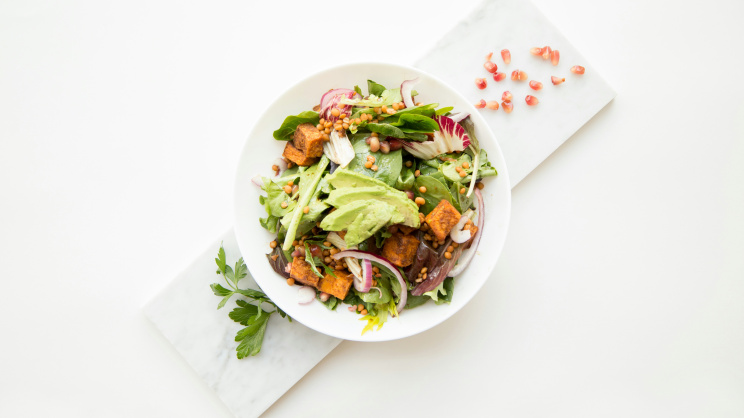
Dressing is the soul of the bowl. Half a spoon of extra virgin olive oil and a little crushed garlic can turn your homemade simple salad into a restaurant-quality experience. You can also craft a Caesar-style dressing using rich egg yolks, yoghurt and a little grated hard cheese. Alternatively, a gyro-inspired thick dressing can satisfy a craving for something more substantial.
Choosing salad at iftar does not mean rejecting tradition. Reducing the portion of heavy feast items like alur chop, jilapi or haleem, and increasing fresh salads can make iftar lighter, more nourishing, and still celebratory. Salad provides hydration, heart health, and overall strength. Starting with a bowl of salad before reaching for heavier dishes can change how the entire meal feels. Even having salad alongside fried favourites makes a difference.
Eating healthy at iftar is about listening to the body after a long day of patience and choosing foods that restore rather than overwhelm. Salads offer this balance with their colours, textures and endless variations. This year, let’s start with something different to embrace freshness and feel truly nourished.
 For all latest news, follow The Daily Star's Google News channel.
Comments