


The versatile appeal of focaccia bread
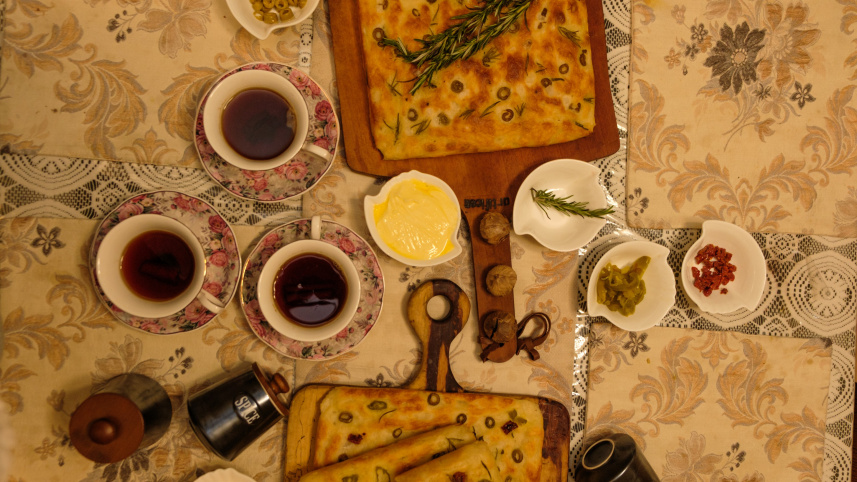
Focaccia is one of those breads that looks impressive but begins with a very simple dough. Crisp and golden at the edges, soft and airy inside, and generously coated with olive oil, it works just as well beside a meal as it does on its own with tea, dips or a light spread.
This version uses bread flour for structure, olive oil for richness, and a simple topping of cherry tomatoes and rosemary. The final olive oil and water brush helps keep the surface moist while encouraging that characteristic golden crust. The key is to give the dough enough time to rise and to handle it gently so the air developed during fermentation is not lost.

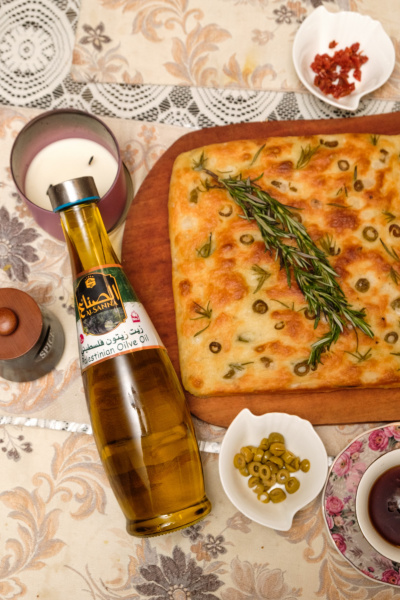
FOCACCIA BREAD
INGREDIENTS
For the dough —
250g bread flour
5g yeast
4g salt
8g sugar
150g water, lukewarm
30ml olive oil
For the topping —
Cherry tomatoes, halved
Fresh rosemary
Olive oil, as needed
Water, as needed
A little salt, optional
For the olive oil and water brush —
1 tablespoon olive oil
 For all latest news, follow The Daily Star's Google News channel.
 1 tablespoon water
METHOD
Activate the yeast
Pour the lukewarm water into a large mixing bowl. Add the sugar and yeast and stir gently. Leave it for about 5 to 10 minutes, until the mixture begins to look slightly foamy.
The water should be warm rather than hot, as very hot water can damage the yeast.
Make the dough
Add the bread flour and salt to the yeast mixture. Mix until the ingredients begin to come together into a rough dough. Pour in the olive oil and continue mixing until it is incorporated. Transfer the dough to a lightly floured or lightly oiled work surface. Knead for around 8 to 10 minutes, until the dough becomes smoother and more elastic. The dough may feel slightly sticky. Avoid adding too much extra flour, as a softer dough helps produce a lighter focaccia.
First rise
Lightly oil a clean bowl and place the dough inside. Turn it once so that the surface is lightly coated with oil. Cover the bowl with a clean kitchen towel or plastic wrap and leave it in a warm place for approximately 1 to 1½ hours, or until the dough has roughly doubled in size. Rising time may vary depending on room temperature.
Prepare the baking tray
Generously brush a baking tray or small rectangular baking pan with olive oil. Once the dough has risen, gently transfer it to the prepared tray. Do not aggressively punch out all the air. Using lightly oiled fingers, carefully stretch the dough towards the edges of the pan. If it keeps springing back, leave it to rest for 10 minutes before stretching it again.
Second rise
Cover the tray loosely and allow the dough to rise again for around 30 to 45 minutes. By this stage, it should look visibly puffier and softer.
Prepare the topping
Preheat the oven to 200°C. Mix 1 tablespoon olive oil with 1 tablespoon water to make the brushing mixture. Using your fingertips, press deeply into the risen dough to create the characteristic focaccia dimples. Be firm enough to create indentations, but avoid tearing through the dough. Brush or drizzle the olive oil and water mixture generously across the surface. Arrange the halved cherry tomatoes over the dough, pressing them in slightly. Scatter rosemary over the top. Finish with another drizzle of olive oil and, if desired, a small amount of salt.
Bake
Bake the focaccia in the preheated oven for approximately 20 to 25 minutes, or until the top is golden and the edges are nicely browned. Ovens vary, so begin checking towards the end of the baking time.
Finish and cool
Once removed from the oven, brush the hot focaccia lightly with a little additional olive oil for extra flavour and a softer, glossy surface. Allow it to cool in the tray for around 5 to 10 minutes before transferring it to a cooling rack or serving board.
Serving suggestions
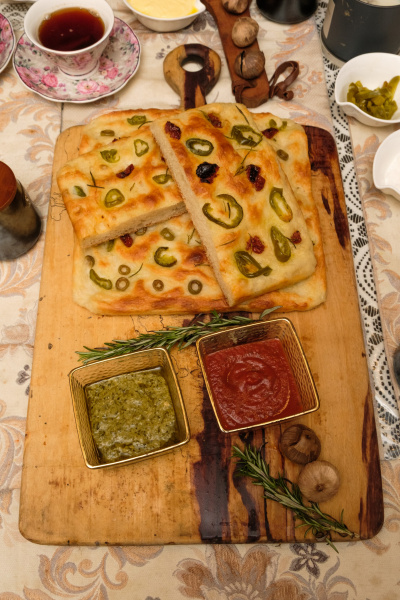
Serve the focaccia warm or at room temperature. It can be eaten on its own, paired with tomato or basil-based dips, served alongside soups and salads, or sliced horizontally to make sandwiches. For the best texture, enjoy it fresh on the day it is baked. If reheating, warm it briefly in the oven rather than the microwave to help restore its crisp exterior.
Food & Recipe: Infiter Islam
Comments