


Pregnancy after 35: Separating facts from fear
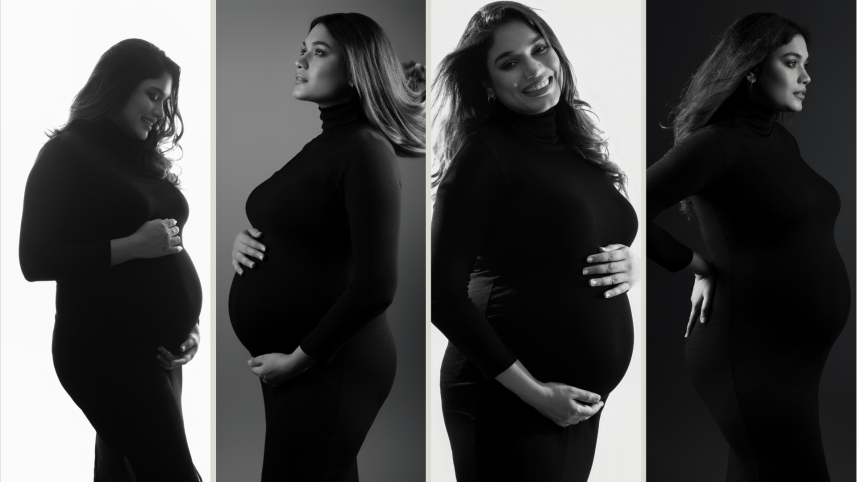
More women today are choosing to start or grow their families later in life. Whether it’s because of higher education, career goals, financial stability, or simply waiting for the right time, pregnancy after 35 has become increasingly common. Yet, despite advances in healthcare, many women still find themselves met with a term that can sound intimidating: advanced maternal age.
While the phrase may raise concerns, experts stress that it is not a diagnosis but simply a medical classification used to ensure mothers receive appropriate care and monitoring throughout their pregnancy.

Understanding advanced maternal age
Dr Aklima Zakaria Zinan, is an Assistant Professor, Gynaecology and Obstetrics, at Bangladesh Medical College Hospital.
She says, “As we women age, we go through multitudes of changes in our body. As such, the American College of Obstetricians and Gynecologists have set the benchmark for advanced maternal age pregnancy to be from 35 onwards.”
Any pregnancy at the age of 35 or above is considered a pregnancy at advanced maternal age. Pregnancy after the age of 45, previously referred to as a “geriatric pregnancy,” is now more appropriately described as a pregnancy at very “advanced maternal age.” The shift in terminology reflects a more respectful and medically accurate approach while acknowledging that many women are having healthy pregnancies later in life.
Age, however, does bring about natural biological changes. As the quality and number of a woman’s eggs decline over time, the chances of certain pregnancy-related complications gradually increase. This is why doctors recommend closer monitoring rather than assuming something will go wrong.

Understanding the risks, not the myths
One of the most significant concerns is miscarriage. The risk naturally rises after the age of 35, and according to Zinan, it increases dramatically after the age of 45, when the miscarriage rate can reach as high as 53 per cent.
Other complications that may occur more frequently include pregnancy diabetes or gestational diabetes mellitus (GDM), high blood pressure during pregnancy, pre-eclampsia, intrauterine growth restriction (IUGR), where the baby is smaller than expected for its gestational age, and premature birth.
These conditions do not affect every woman over 35, but they are common enough that healthcare providers recommend more frequent antenatal check-ups and screenings.
Still, advanced maternal age should not be viewed as a prediction of an unhealthy pregnancy.
Many women in their late 30s and early 40s go on to have uncomplicated pregnancies and deliver healthy babies. Overall health, existing medical conditions, access to prenatal care, and lifestyle choices often play just as important a role as age itself.
Preparing your body and mind for pregnancy
Preparing the body before conception can make a meaningful difference, particularly when it comes to nutrition.
Dr Zinan emphasises that maintaining a balanced diet is one of the most important steps women can take before and during pregnancy.
A diet rich in protein, healthy fats, fruits, and vegetables provides essential nutrients for both mother and baby. At the same time, she advises reducing sugar intake, not only from sweets but also from sugary drinks, and limiting frequent consumption of “junk food,” which can increase the risk of complications such as gestational diabetes.
Lifestyle habits extend beyond what’s on the plate.
Sleep, for example, is often overlooked despite its significant role in maternal health. Pregnancy can already make restful sleep difficult, and women in their late 30s or 40s, especially those balancing demanding careers and family responsibilities, may struggle even more with maintaining a regular sleep routine.
“Often easy, pregnancy-friendly exercise or even a 30-minute walk can help to relax the body and mind, ensuring a good night’s sleep,” says Dr Zinan.
She adds that regular physical activity during pregnancy offers benefits beyond better rest. It supports healthy blood circulation to the baby, may lower the risk of developing high blood pressure, and can even increase the chances of having a vaginal delivery, provided there are no medical contradictions.
Mental well-being is equally important. The emotional pressures surrounding pregnancy after 35, from societal expectations to fears about the so-called “biological clock,” can leave many women feeling anxious before they even conceive. Managing stress through adequate rest, light physical activity, supportive relationships, and regular communication with healthcare providers can contribute to a healthier pregnancy experience.
 For all latest news, follow The Daily Star's Google News channel.
Healthy habits that support a safer pregnancy
Women planning to conceive after 35 should also schedule a preconception consultation with a gynaecologist. This allows doctors to evaluate their overall health, identify any underlying medical conditions, and discuss necessary investigations before pregnancy.
Vaccinations are another important part of preparation. Rather than recommending the same vaccines for every woman, Dr Aklima Zakaria Zinan explains that vaccination plans should be tailored to individual needs. Depending on a woman’s medical history, immunity, and test results, a gynaecologist may recommend specific vaccines before conception to help protect both mother and baby during pregnancy.
Ultimately, advanced maternal age is not a reason to lose hope. It is a reminder to approach pregnancy with informed planning, healthy lifestyle choices, and regular medical care. With today’s medical advancements and early prenatal monitoring, women over 35 have more support than ever before in navigating pregnancy safely.
Growing older may change the journey to motherhood, but it does not diminish the possibility of a healthy pregnancy or a healthy baby. With the right care and guidance, age becomes just one part of the story but never the whole story.
Model: Sonia Yeasmin Isha
Makeup: Sumon Rahat
Comments