


Guilty for loving monsoon? You’re not the only one
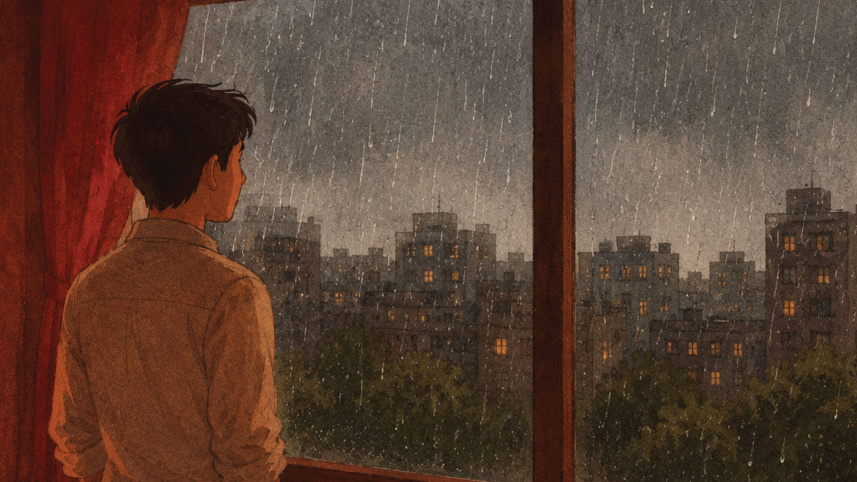
Imagine standing by the window when the sky suddenly turns steel grey and the clouds wrap the sun like a heavy blanket. You remember that today is your day off, and as the first drop of rain hits the glass, you smile without thinking.
The heat that had been clinging to your skin for weeks fades within minutes. Suddenly, the sound feels richer and your stomach growls at the thought of khichuri, but most importantly, the weight of adulthood feels lighter.

You remember the scoldings you received for coming home soaked and how sometimes the classes were cancelled due to heavy downpour. The rain does not just cool the air; it unlocks memories you did not realise were still waiting inside you.
However, then the guilt sets in. The road visible from your window has already started to get jammed, and you know that if the cloudburst continues for the next few hours, it will make the roads waterlogged as well. Not to forget, several homes would go underwater with this merciless downpour.
So, a voice chides in your head, “How dare you romanticise such weather? It floods villages, collapses roads, delays ambulances, and ruins harvests.” And you know you cannot deny the truth, which perhaps explains why we have always had such a complicated relationship with the monsoon.
Rain is not only a weather phenomenon here, but also regulates an entire system. It fills the rivers that carve this delta into being, feeds the paddies that keep a hundred and seventy million people from starving, and flushes out the scorching heat after summer. It has every right to be celebrated.
But let’s be honest, we did not invent the joy that we experience when we smell the petrichor. We inherited it from our ancestors. Poets and lyricists have written about it since literary works have existed. From Kalidasa to Kazi Nazrul Islam to modern-day works of art, rain has been the ornament in all of them.
Though the sky’s tears show up everywhere from old ghazals to Western songs outside this continent, I feel Bangladesh has had the most sophisticated relationship with it from the very beginning. How we name our cherished daughters “Barsha” and “Bonna” after the rainy season and floods that arrive every year uninvited, depicts our fondness towards the heavens opening.
Indeed, growing up here means learning two truths at the same time —rainfall is poetry; rainfall is disaster. It is Tagore’s songs playing on loop on Spotify, and the evening news flashing images of submerged schools. It is children dancing barefoot in the drizzle, and parents anxiously watching the water creep closer to the doorstep. We endure and acquire it all.
Perhaps that is why we hesitate before saying, “I love the raindrops.” Maybe somehow, we have internalised that joy is disrespectful in the presence of suffering. But honestly, it is not. You can stand in your veranda, close enough to feel the cool sprinkle on your skin, while also supporting the flood victims. You can write poems about the deluge and still speak honestly about broken embankments and poor drainage.
The heart is spacious enough for both. And understanding that beauty and tragedy do not cancel each other out is the true lesson of the Bangladeshi monsoon.
So, when the next storm rolls in, and you instinctively crave some peyaju with tea and reach out for your camera to photograph the silver sky, do not rush to apologise for finding it all beautiful. Instead, remember you are not dismissing someone’s suffering or loss. You are, wholeheartedly, loving the miracle of nature in the belief that after every unbearable summer, relief eventually arrives.
 For all latest news, follow The Daily Star's Google News channel.
Comments