Can Bangladesh make its plastic waste policy work?
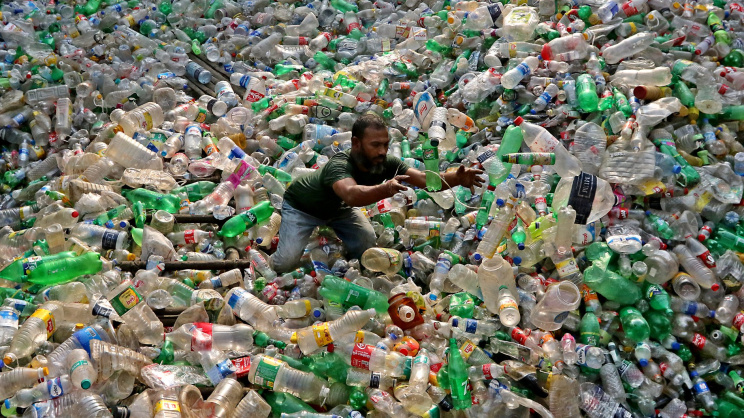
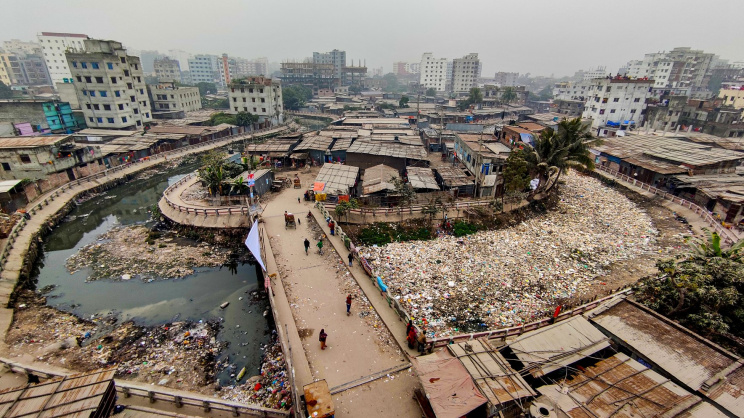
As plastic consumption continues to rise across Bangladesh, the question is no longer whether waste management reform is needed, but whether the country is prepared to design that reform effectively. Urban areas alone now produce an estimated 38,000 tonnes of solid waste daily, a figure projected to exceed 118,000 tonnes by 2040. Plastics account for roughly 10 per cent of this waste, but their impact is disproportionately harmful: non-biodegradable plastic clogs urban drains, pollutes rivers and canals, contributes to flooding and poses long-term risks to ecosystems and public health.
On 13 August 2026, the Ministry of Environment, Forest and Climate Change gazetted the Extended Producer Responsibility (EPR) Directive for Plastic Waste Management as S.R.O. No. 293-Law/2026, under Section 13 of the Environment Conservation Act, 1995. The Directive took effect immediately.
This is more than the publication of another environmental instrument; it marks a shift in Bangladesh’s approach to plastic waste management. Responsibility for managing plastic after use is no longer expected to rest primarily with municipalities, waste management agencies and informal recyclers. Producers, importers and brand owners are now brought into a formal regulatory framework through registration, reporting, collection and recycling obligations.
Much of the cost of collection, leakage and environmental damage, meanwhile, has remained outside the balance sheets of those placing plastic on the market. EPR has the potential to change that.
For years, Bangladesh’s plastic economy has operated through a fragmented value chain. Plastic is produced, imported, consumed and discarded. Much of the cost of collection, leakage and environmental damage, meanwhile, has remained outside the balance sheets of those placing plastic on the market. EPR has the potential to change that.
But gazetting EPR is only the beginning. The real test will be whether Bangladesh can translate a legal obligation into a functioning market for collection, recycling and responsible product design.
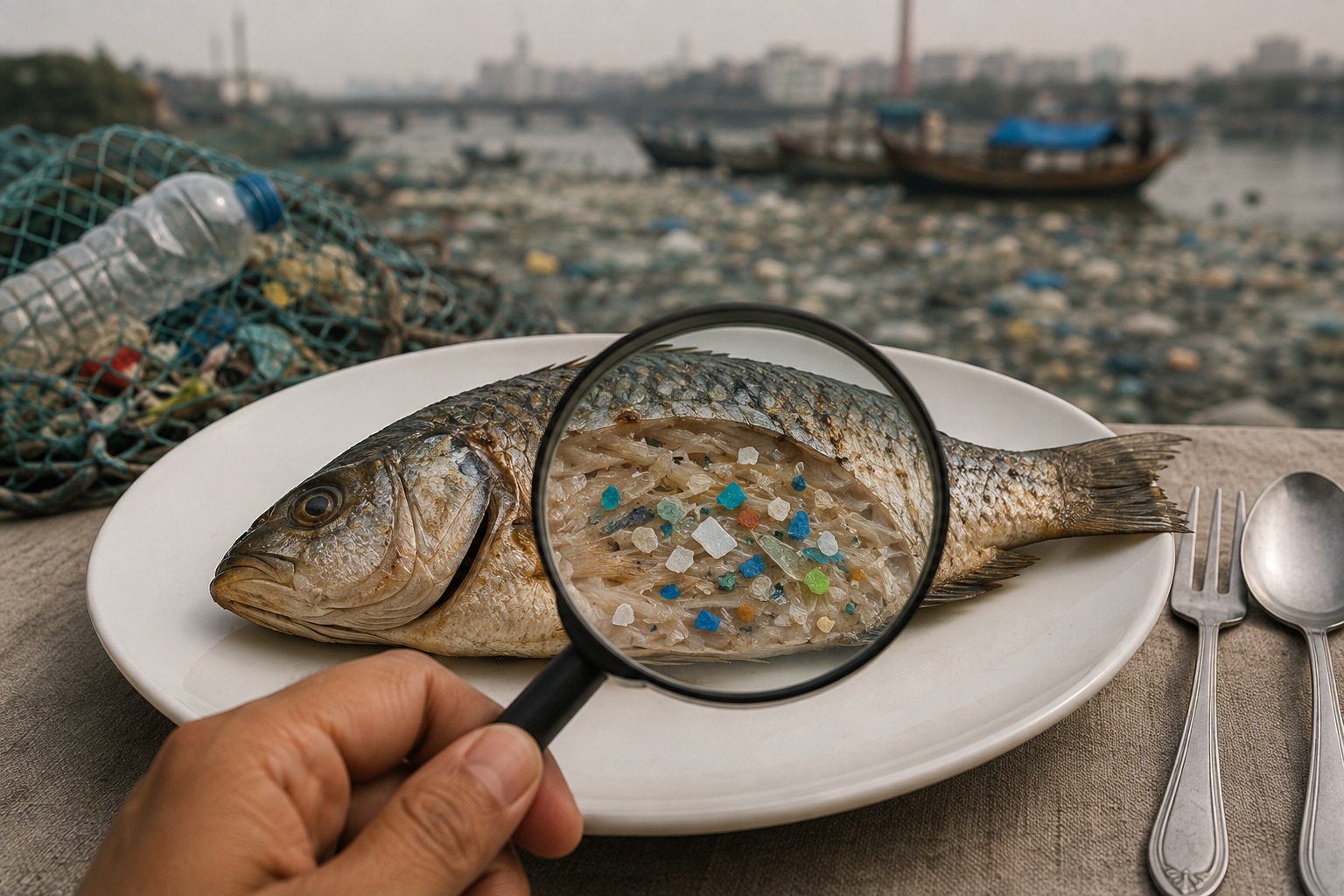
The basic logic of EPR is straightforward: those who place products and packaging on the market should bear an appropriate share of the responsibility and cost of managing them after use. This reflects the polluter-pays principle while creating incentives to reduce waste, improve recyclability and increase the value of recovered materials.
The Directive provides the foundation for this system. It defines the relevant actors, establishes plastic categories, provides for registration and reporting, introduces collection and recycling targets, and creates an EPR project-fee mechanism involving Producer Responsibility Organisations, or PROs.
The initial targets require 15 per cent collection and 7.5 per cent recycling during the first two years, rising to 30 per cent collection and 15 per cent recycling from the third year. These targets matter because they create a measurable basis for producer responsibility. But targets alone do not create recycling capacity. A functioning EPR system requires adequate financing, infrastructure, collection networks, reliable data, markets for recycled materials and credible enforcement.
One of the central questions facing the new system is therefore this: how much will producers actually pay to fulfil their EPR obligations?
The Directive provides for an EPR project-fee mechanism based on the recycling rate, volume and standard cost. However, the absence of a clearly defined minimum fee floor creates uncertainty over whether the funds generated will be sufficient to finance meaningful collection and recycling.
This matters because EPR can fail even when compliance rates appear high. If producers fulfil their obligations through low-cost arrangements that do not adequately finance collection, sorting and recycling, the system may generate paperwork without delivering meaningful environmental outcomes.
Bangladesh therefore needs to move beyond asking whether an EPR fee exists and ask whether it is economically adequate.
Bangladesh therefore needs to move beyond asking whether an EPR fee exists and ask whether it is economically adequate. A credible fee system should reflect the actual costs of collection, transport, sorting, processing and environmentally sound recycling. It should also recognise differences between materials. A tonne of easily marketable PET is not economically equivalent to a tonne of multilayer packaging, flexible plastic or expanded polystyrene (EPS).
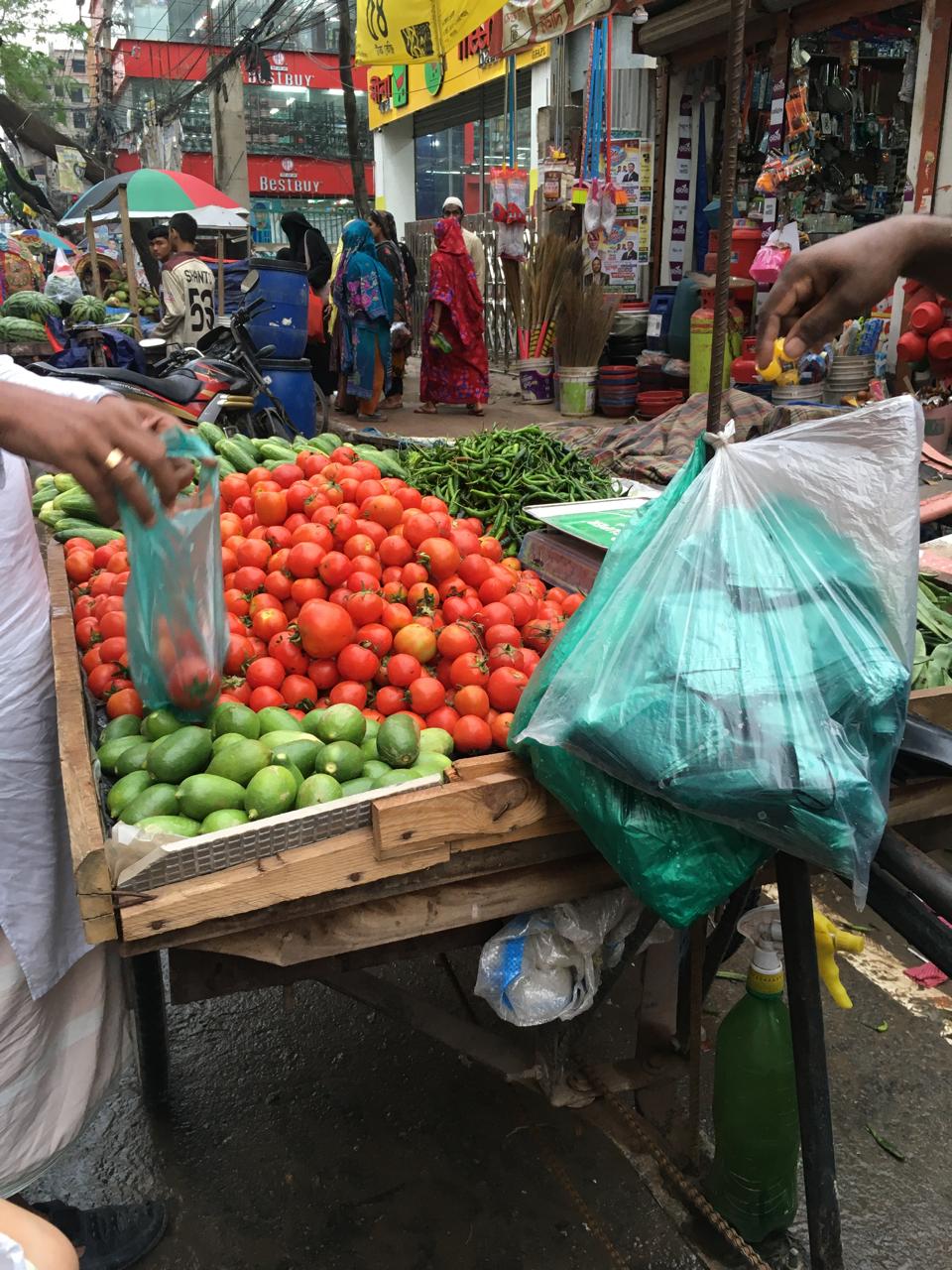
Over time, EPR fees should become increasingly eco-modulated, so that packaging that is difficult to recycle or creates greater environmental risks carries a higher cost. The objective should not simply be to collect money from producers, but to use EPR financing to build a functioning circular economy.
The same principle applies to collection and recycling targets. The gazetted targets are a necessary starting point, but plastic categories differ significantly in their recyclability and environmental impact. Some rigid plastic streams have established recycling markets, while multilayer packaging, certain flexible plastics and EPS can be considerably more difficult and costly to recover.
If all categories face broadly uniform targets, compliance may concentrate on the materials with the strongest market value. The system could then meet its numerical targets while leaving environmentally problematic plastics outside effective recovery systems.
The next stage should therefore move towards polymer- and product-specific targets supported by differentiated fees. PET, HDPE, flexible plastics, multilayer packaging and EPS should not all face identical regulatory treatment. The more difficult a material is to recover, and the greater its environmental risk, the stronger the incentive should be to redesign, reduce, recover or replace it.
Another issue that gazetting brings into focus is responsibility within the supply chain. A single plastic product can involve manufacturers, importers, brand owners and other actors. If more than one party can qualify as an obligated entity, the system needs a clear hierarchy determining who bears primary EPR responsibility.
Without such clarity, the same product could generate overlapping obligations, and businesses would face uncertainty over registration and reporting. This is not merely a legal drafting issue; it is also an enforcement issue. The Department of Environment needs to be able to answer one basic question consistently: who is responsible for this unit of plastic placed on the Bangladeshi market?
A clear Producer–Importer–Brand Owner hierarchy, supported by practical implementation guidance, would reduce uncertainty and prevent double-counting. Recyclers, too, need to be positioned appropriately: they are essential participants in EPR, but their role differs fundamentally from that of the entities placing plastic on the market, and they should primarily be recognised as service providers and recovery partners.
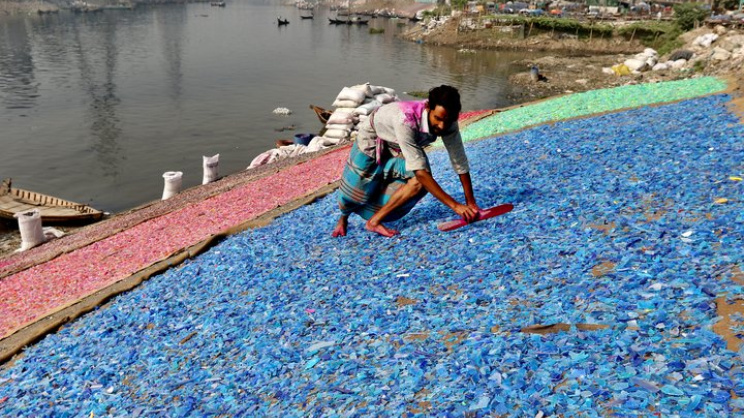
Perhaps the biggest implementation question is operational. Bangladesh already has a functioning, though largely informal, plastic recovery economy. Waste pickers, feriwalas, itinerant collectors, junk shops, aggregators and small recycling businesses recover materials that might otherwise enter municipal waste streams or the environment.
An EPR system that ignored this network would amount to building a new collection system on top of one that already exists. The better approach is integration. PROs should work with existing informal-sector networks through registration, training, occupational safety measures, protective equipment, transparent payment mechanisms and aggregation arrangements.
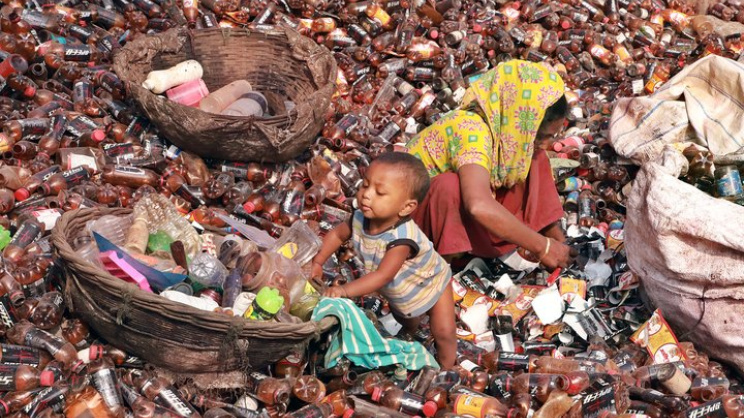
EPR should not be viewed only as an environmental policy; it is also a policy for jobs and enterprise development. Formalising collection and recycling can create opportunities for micro, small and medium enterprises in collection, sorting, transport, material recovery, recycling and recycled-product manufacturing. Properly designed, EPR can help turn waste from an environmental liability into an economic resource.
The treatment of export-oriented enterprises also deserves careful attention. Bangladesh’s export industries operate in highly competitive markets, and the desire to avoid imposing unnecessary regulatory costs on products that never enter the domestic consumption cycle is understandable. However, exemptions should be based on the plastic actually placed on the domestic market, rather than on a company’s export-oriented status.
Stronger documentary verification can help. Export quantities should be reconciled with customs and commercial records, while plastic products entering the domestic market should remain within the EPR system. More generally, exemptions should rest on traceable transactions rather than broad business categories.
Enforcement will ultimately determine the credibility of the system. The Directive gives the Department of Environment broad oversight, inspection and enforcement responsibilities, but effective EPR requires more than registration certificates and annual reports. It requires credible data.
How much plastic did a producer place on the market? How much was collected? Where was it collected? Who collected it? How much entered a recycling facility? How much was actually recycled?
These questions require a reliable digital reporting and verification system. As the system matures, third-party verification should also be introduced. Reported collection volumes should not automatically be treated as recycled quantities, and material transferred to an intermediary should not be counted as final recycling without evidence of actual recovery. The distinction between collection, recovery and genuine recycling will be fundamental to the credibility of EPR.
The phased inclusion of large, medium and small enterprises is administratively understandable. Bangladesh should not impose the same compliance burden on a large multinational brand as on a small domestic enterprise from day one. However, enterprise size alone may not be the best indicator of environmental responsibility. A small enterprise can place substantial quantities of plastic packaging on the market, while a relatively large enterprise may have a smaller plastic footprint.
The EPR system should therefore gradually incorporate the quantity and type of plastic placed on the domestic market alongside enterprise size. Smaller businesses should also have lighter compliance mechanisms: digital registration, simplified declarations, pooled compliance arrangements and standardised fee schedules could all reduce administrative costs. Otherwise, excessive compliance costs could unintentionally encourage informality.
Collection and recycling cannot expand sustainably without a market for recovered materials. This is where green procurement becomes important. The government is one of the country’s largest purchasers of goods and services, and public procurement can create demand for recycled plastic products.
Bangladesh could gradually introduce recycled-content requirements for selected products where technical standards and supply capacity permit. Government agencies and state-owned enterprises could become early purchasers of recycled plastic furniture, construction materials, packaging and other suitable products. EPR should not stop at the waste bin. It should connect collection to recycling, recycling to manufacturing and manufacturing to markets.
A reliable baseline will also be essential. Bangladesh needs better information on how much plastic is placed on the domestic market, by whom, in what form and in which sectors, as well as on collection rates, recycling capacity, geographical waste flows and the economics of different plastic streams.
Without a credible baseline, targets become difficult to calibrate and fees difficult to justify. A national plastic-material accounting framework linking market-placement data with collection and recycling data could therefore become one of the most valuable long-term outcomes of EPR.
The greatest opportunity presented by EPR is that it can change the economics of plastic waste. At present, much of the cost of plastic pollution is externalised: producers and consumers benefit from plastic products, while municipalities, communities and the environment bear the downstream costs.
EPR begins to correct this market failure by assigning responsibility to those who place plastic on the market. A well-designed system can encourage producers to reduce unnecessary packaging, improve packaging design, use recyclable materials, increase recycled content and develop reuse models. At the same time, it can create demand for collection services, recycling technologies and secondary raw materials.
This is where EPR connects directly with Bangladesh’s broader industrial and circular economy agenda. The country should not aim merely to recycle more plastic waste. It should aim to build a competitive circular economy for plastics in which collection, material recovery, recycling and recycled-product manufacturing become viable businesses.
Bangladesh should therefore welcome the gazetted EPR Directive as an important institutional milestone. But its success should not be measured by the number of producers registered, forms submitted or fees collected. The real test is whether less plastic leaks into rivers and drains, whether more material is genuinely recycled, whether recyclers receive stable demand, whether informal workers gain safer livelihoods, whether producers redesign their packaging and whether consumers have practical systems through which to participate.
The transition from draft policy to gazetted regulation has changed the central question. Bangladesh no longer needs to decide whether EPR should exist. It now needs to decide what kind of EPR system it wants to build.
If implementation focuses only on compliance, Bangladesh may end up with yet another regulatory reporting system. If it connects producer responsibility with sound economic incentives, informal-sector integration, credible data, recycling markets, green procurement and better product design, EPR can become something much more significant: an instrument for restructuring the country’s plastic economy.
The gazette provides the legal foundation. The next task is to build the markets, institutions and incentives needed to make that foundation work.
Tanjila Marjahan is a senior research associate at Business Initiative Leading Development (BUILD). She can be reached at tanjilamarjahan@gmail.com
Send your articles for Slow Reads to slowreads@thedailystar.net. Check out our submission guidelines for details.
Dhaka accidentally built the city planners now want. Can we make it liveable?

Can Bangladesh produce its own knowledge?

How we are killing Dhaka
Can Bangladesh afford not to invest in Bhola’s gas?
Bangladesh’s renewable policy: Still too little but not too late
Prabhat Patnaik speaks / Why the Global South must rethink export-led growth
Bhotekoshi flood: Another warning from the Himalayas. Are we listening?

Renewing the Ganges Water Sharing Treaty: What should Bangladesh do?

What it really costs to live in Dhaka