


Moureen Zahir is challenging global views of Bangladeshi fashion
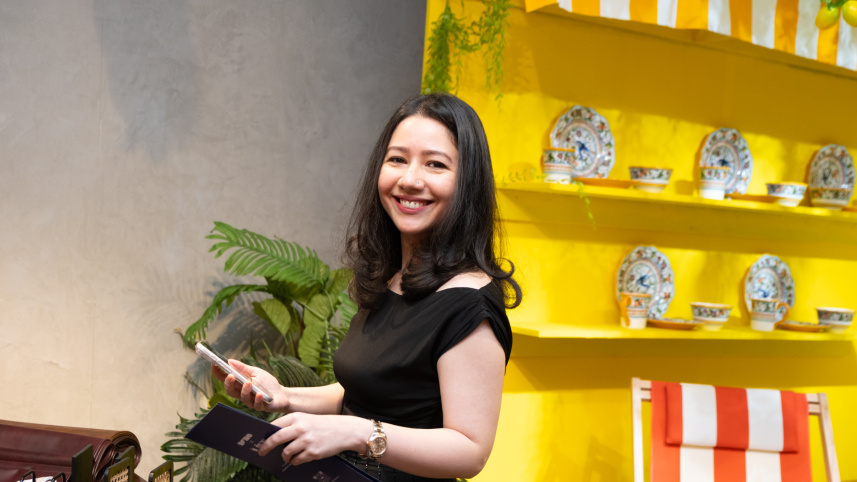
Most fashion brands launch with a polished identity. Moureen Zahir's brand Maia began with a wedding dress that almost didn't work.
The dress was for an Australian bride. The design was technically demanding, involving draping techniques rarely attempted by small local workshops. Moureen and her tailor made it once. Then again. Then again.

"After making it three times, we were finally able to deliver that dress," she recalls.
Today, that story has become part of the foundation of Maia. The brand now employs a team of twelve people and has developed a loyal customer base known for returning not only for the designs but also for something less glamorous and arguably more important: fit.
In an industry often obsessed with trends, Moureen's story is surprisingly technical. It is about pattern making, garment construction, training workers, correcting mistakes, and building skills from the ground up.
From Zara collections to starting over
Growing up in an academically focused family, she first completed a BBA before formally studying fashion. Her professional journey then took her into Bangladesh's export-oriented garment industry, where she spent eight years designing for global brands.
She worked on denim, sweaters, and knitwear collections that were presented to international buyers, including major names such as Zara, Esprit, and Guess.
Unlike many development-focused roles where designers execute pre-existing specifications, Moureen was involved in creating original collections for buyers.
"When I worked, I would actually design my own collections and then present them to certain buyers," she explains.
Those years provided something many aspiring entrepreneurs never receive: a close look at how global fashion operates behind the scenes.
The first version of Maia was remarkably modest. One machine. One tailor. A tiny workspace attached to a small office. There was no elaborate business plan, no large investment, and certainly no guarantee of success.
What existed was a willingness to experiment.
Why "Made in Bangladesh" became a challenge
Many conversations about Bangladeshi fashion focus on creativity. Moureen talks instead about capability.
One of her strongest observations comes from her years working with international buyers.
"There was a trend where they would always say, 'This order is too complicated for Bangladesh,'" she says. Bangladesh is globally recognised for manufacturing at scale. Complex development work, however, is often perceived differently.
"We are known for volume, but we are not known for doing quality or complicated things."
Rather than accepting that reputation, Maia attempted to challenge it. "I started Maia with the idea that we can make anything, and I'm going to prove it."
That ambition required far more than sketching designs. Moureen spent years sitting beside pattern makers, embroiderers, and tailors, refining techniques and troubleshooting mistakes.
 For all latest news, follow The Daily Star's Google News channel.
 "There were times in the beginning when we made something nine times just to get it perfect," she says.
The process was expensive, time-consuming, and often frustrating. Yet it became the brand's most valuable investment.
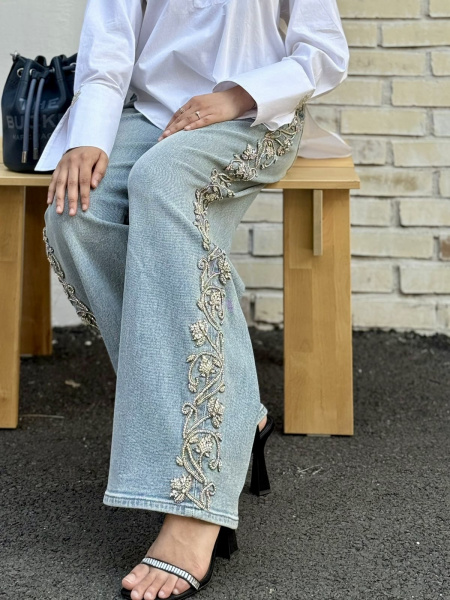
Recent international opportunities suggest that voice is beginning to emerge. Maia recently dressed representatives attending Bangla House in London, an initiative connected to the Mubarak Ali Foundation.
Yet Moureen remains cautious.
For years, she prioritised building the team's technical capabilities before pursuing larger ambitions.
"I wanted a team that works in perfect alignment so that whatever comes our way, we can handle it together." Now, she believes that the groundwork is finally paying off.
For a label that began with one machine, one tailor, and a willingness to keep trying after failure, that ambition feels less like a dream and more like the next logical step.
Photo: Courtesy
Comments