

Being bilingual
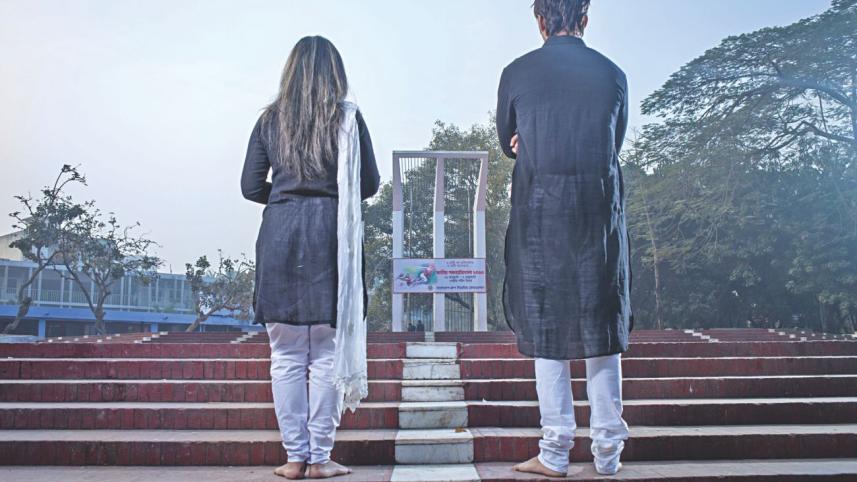
I was born and brought up in London, but I was raised to speak both English and Bangla. It is something I will be eternally grateful to my parents for; the ability to think, speak, read and write in two languages has opened up more doors for me than it would have had I only been taught to speak one language. Of course, over the last couple of years I have picked up words and phrases in a handful of other languages and being fluent in at least one other language is a goal I have set for myself that I must achieve.
Through my teen years, most of which were spent in Dhaka, I got the impression that speaking Bangla was not cool, and if you did speak it, you had to adopt a faux Western accent. I did not understand it then, and I do not understand it now. Why was it cool to pretend to not be Bangladeshi? I was bullied for being different, for being 'foreign', yet it was seemingly a quality all my classmates sought.

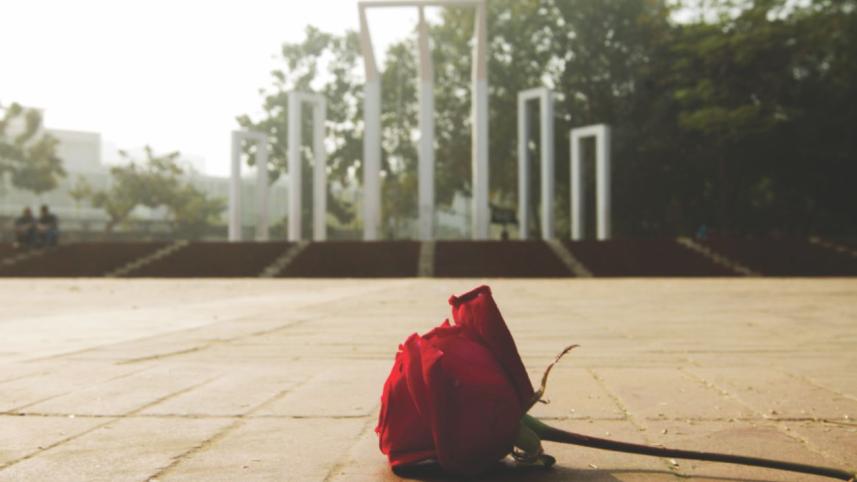
I remember staying up all night with my Papa revising for my Bangla tests and exams. Admittedly, it is not my stronger language; my confidence falters when faced with formal Bangla and my reading and writing is a tad rusty, but despite all of this it is something I take great pride in. In the past it was because I saw it as a special talent.
Growing up in England, 99 percent of my peers only spoke English, and there I was, fluent in two languages, and even today it's still a source of awe for friends. Now that I know about the history of Bangladesh, of the struggles that people went through to hold on to their identity, I feel another sense of pride, one that is more significant and poignant.
I write this now thinking about the upcoming International Mother Language Day, on February 21. The students who protested back in 1952 were in their 20s, around the age I am today. They were just university students, and they died fighting for a cause they were passionate about, because they wanted Bangla to be recognised as an official language.
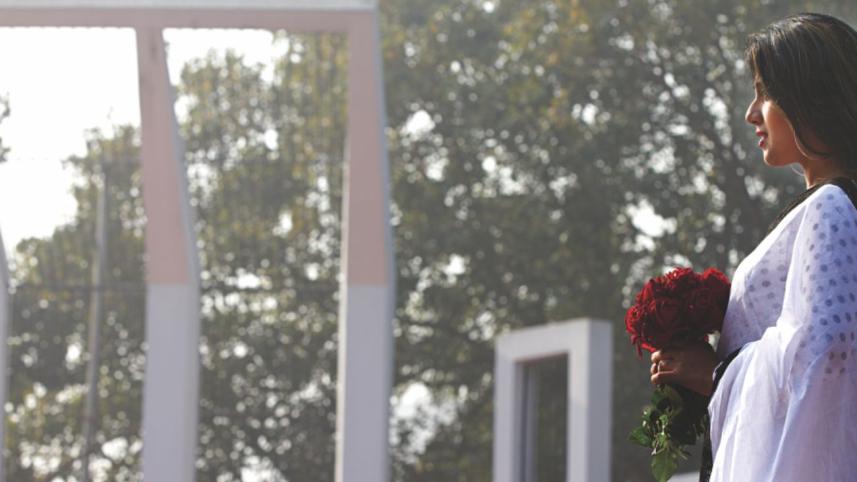
Because of the actions of those brave students, I can sit here and switch between Bangla and English almost fluidly. I can go to work and not feel alienated because there is a common language that unites me and my colleagues.
I can interact with people fluently on a daily basis, without resorting to Google Translate or an English-to-Bangla dictionary. And when I go abroad, I can seek work knowing I have got a second language in my repertoire. One day, when I have children of my own, no matter where I live, I will teach them to speak Bangla too – not as part of weekly lessons or as a chore, but as a native speaker, alongside English. After all, it's the least I can do to keep my own cultural identity alive.
By Zahrah Haider
Photo: LS Archive/Sazzad Ibne Sayed
 For all latest news, follow The Daily Star's Google News channel.


Comments