


Costs of stents, dialysis may drop


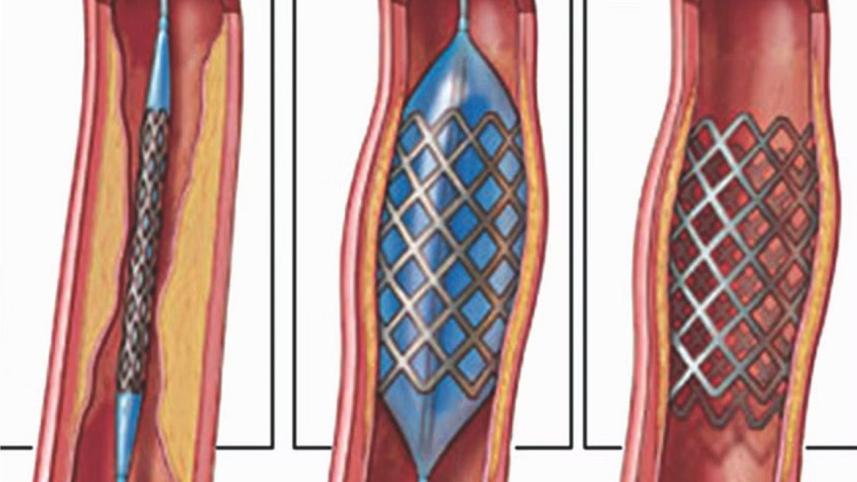
Kidney and heart patients are expected to get some relief as the government is going to withdraw some taxes on equipment for kidney dialysis and coronary stents in the next budget.
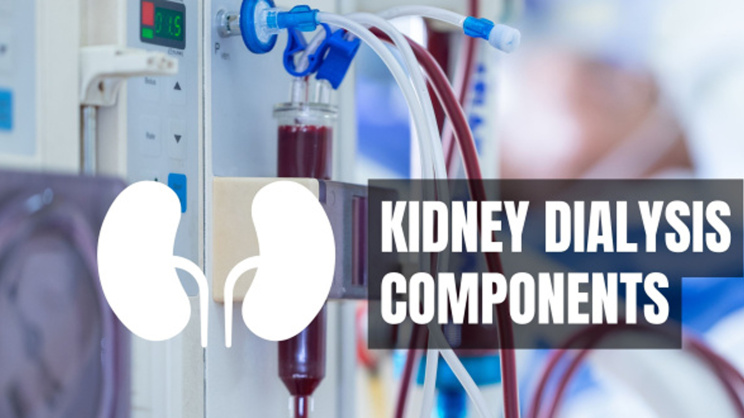
The government is considering the withdrawal of the 7.5 percent advance tax (AT) on kidney dialysis equipment in the proposed budget for fiscal 2026-27, aimed at reducing treatment costs for kidney patients.

National Board of Revenue officials said the steps are being taken as the costs have increased significantly amid rising healthcare expenses.
Currently, kidney dialysis machines are subject to a combined tax incidence of 22.5 percent, including the 7.5 percent AT.
The government is also planning a 10 percent VAT exemption at the supply stage for heart stents, a move expected to reduce the cost of cardiac treatment.
The proposals received in-principle approval from Prime Minister Tarique Rahman at a high-level meeting at the Secretariat on May 14, where the NBR presented a set of proposed tax measures for the upcoming budget.
According to customs data, Bangladesh imported around Tk 252 crore worth of medical equipment related to cardiac and kidney treatment between December 2025 and April 2026.
“As part of the government’s plan to reduce healthcare costs, the NBR placed the proposal before the prime minister, and approval has been granted in principle,” an NBR official told The Daily Star.
The official added that the upcoming budget would include additional fiscal incentives for the pharmaceutical and healthcare sectors, particularly to facilitate operations at the Active Pharmaceutical Ingredient (API) Industrial Park and support related stakeholders.
Welcoming the move, Prof Abdul Wadud Chowdhury, director of the National Institute of Cardiovascular Diseases (NICVD), said it would reduce the price of stents to some extent, which would benefit patients.
He said the cost of stents is the same at government and private hospitals, but service charges vary.
Prices range from Tk 50,000 to Tk 100,000, he said, adding that the overall service charges at public hospitals are around Tk 20,000 to Tk 25,000, which are around Tk 1 lakh at private facilities.
Annually, stents are placed in over 35,000 patients, Prof Wadud told this newspaper yesterday.
Farhad Hasan Chowdhury, member secretary of the Bangladesh Renal Association, said treatment for kidney diseases -- particularly dialysis -- is expensive, and the withdrawal of advance tax on dialysis machines is likely to reduce dialysis costs slightly.
However, a patient has to undergo dialysis regularly and requires fluids, saline, and blood bags, and the costs would go down further if the government takes steps to reduce their price.
A patient at a government hospital pays Tk 400 for each dialysis session, and the government provides a subsidy of over Tk 3,000. At private hospitals, each dialysis session costs between Tk 3,000 and Tk 8,000, Farhad said.
He added that 20,000 to 30,000 new kidney patients are added in the country annually who require dialysis or kidney transplants. As the number of kidney transplants remains very low in the country, most patients have to undergo dialysis.
 For all latest news, follow The Daily Star's Google News channel.
Comments