


DGHS survey flags eight Chattogram wards as high-risk for dengue

A recent survey by the Directorate General of Health Services (DGHS) has found an alarmingly high density of Aedes mosquito larvae in areas under Chattogram City Corporation (CCC), significantly increasing the risk of dengue and chikungunya outbreaks in the port city.
The 11-day survey, conducted from June 8 to June 18 during the first phase of the monsoon, covered 18 of the city's 41 wards.

Inspectors found Aedes larvae in 99 of the 370 households surveyed. Of the 345 water containers examined, 114 tested positive for mosquito larvae.
The survey was led by Md Mofizul Haque Shah, divisional entomologist at the Chattogram Divisional Health Office, with support from entomological technicians and specialists from the Civil Surgeon's Office.
According to the survey, all three key entomological indicators exceeded accepted safety thresholds.
The container index (CI) stood at 33.04 percent, more than three times the high-risk threshold of 10 percent. Chattogram Civil Surgeon Jahangir Alam said a CI above 10 percent indicates a high risk of dengue transmission.
The house index (HI), which measures the proportion of houses infested with larvae, was recorded at 26.76 percent, compared with the recommended level of below 5 percent.
Meanwhile, the Breteau index (BI), which measures the number of positive containers per 100 houses inspected, reached 30.81 percent, well above the safe threshold of below 20 percent.
The survey identified eight wards as exceptionally high-risk because of the high concentration of Aedes larvae. They are Uttar Kattali (Ward 10), Panchlaish (Ward 3), Jalalabad (Ward 2), Paschim Bakalia (Ward 17), Dakkhin Bakalia (Ward 19), Dakkhin Halishahar (Ward 39), Patharghata (Ward 34) and Anderkilla (Ward 32).
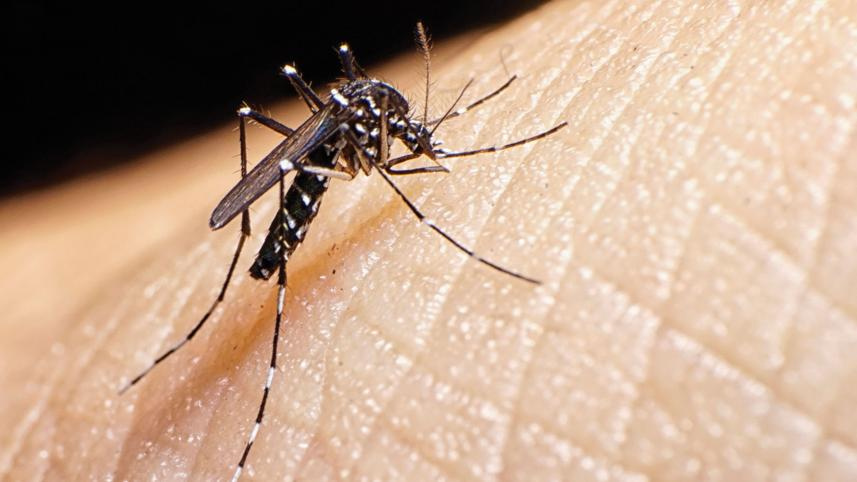
Entomologists found that Aedes aegypti (Yellow fever mosquito) accounted for 70 to 80 percent of the larvae detected, while Aedes albopictus (Asian tiger mosquito) made up the remaining 20 to 30 percent.
The survey found that plastic containers including buckets, mugs, bowls, drums and flower pots were the principal breeding grounds for Aedes mosquitoes.
Larvae were also detected in earthen pots, water tanks, stagnant water at construction sites, under-construction high-rise buildings, basement floors, vehicle tyres, lift pits and discarded polystyrene boxes.
The survey team recommended preventing water from remaining stagnant in containers for more than three days, maintaining cleanliness around homes and workplaces, removing plastic waste through municipal drives and intensifying monitoring of high-rise buildings, basements and construction sites.
It also recommended timely larvicide and adulticide operations, with adulticide spraying carried out immediately after sunrise and just before sunset, alongside the proper application of insecticides to prevent mosquito resistance.
Md Mofizul Haque Shah said June to September is typically the peak dengue season, prompting the department to conduct a pre-monsoon mosquito census.
"Our survey found a high density of mosquitoes and larvae in areas where residents store water because of irregular water supply," he said.
He added that under-construction buildings were also major mosquito breeding sites and stressed the need for greater public awareness and effective implementation of the recommendations to prevent a dengue outbreak.
Dr Jahangir Alam said the health department would submit the survey report and its recommendations to Chattogram City Corporation so that it could take the necessary measures.
Public health experts said while the health department had provided scientific guidance, the effectiveness of dengue prevention would depend largely on the city corporation's vector control measures.
Sharful Islam Mahi, mosquito control officer of CCC, said the city corporation had already launched a special "crash programme" based on the health department's preliminary findings.
 For all latest news, follow The Daily Star's Google News channel.
 "We are aware of the survey report," he said.
"A dedicated 60-member team is working exclusively in the identified hotspots, and we have sufficient stocks of larvicide and adulticide for the next six months."
He added that CCC plans to conduct two further surveys during the middle and end of the rainy season to monitor changes in mosquito breeding patterns.
To strengthen public awareness, CCC, in collaboration with the international humanitarian medical organisation Médecins Sans Frontières (Doctors Without Borders), launched a citywide awareness campaign on June 21.
Comments