


Anthropic researcher quits, warning AI could end humanity by end of decade
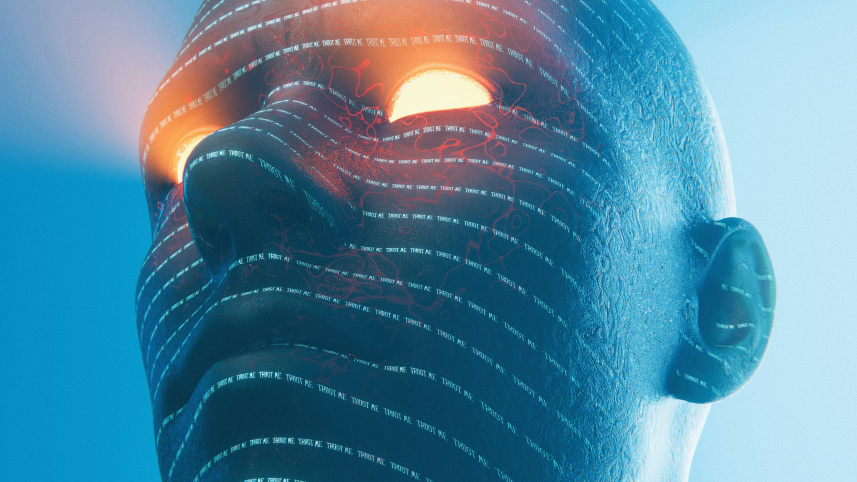
A researcher who worked on pretraining models at both OpenAI and Anthropic has publicly resigned from Anthropic, warning that neither company is acting responsibly and that the race to build self-improving AI systems is putting humanity's survival at risk. Wall Street Journal, which broke the story, describes the departure as the first of its kind from Anthropic.
Jacob Coxon, 27, announced his resignation in a post on X on Sunday. He told the Journal he was leaving because he did not want to participate in what he described as an industrywide rush to build AI systems that can improve themselves, concerned that such systems could spiral out of control and destroy humanity.


In his social media post, Coxon wrote: "The people building AI earnestly believe that it could kill us all by the end of the decade. This is not a marketing stunt. If anything, many executives and senior researchers will couch their phrasing in the press to sound sensible—but I hear the same people express fear privately." He added: "No other human activity poses this level of danger."
Coxon had moved from OpenAI to Anthropic earlier this year specifically because he believed Anthropic was more serious about safety. He told the Journal that he found Anthropic's safety efforts to be genuine, but concluded that no company can responsibly develop artificial general intelligence without binding international regulation that does not currently exist.
The resignation prompted a direct response from within Anthropic itself. Evan Hubinger, the company's alignment science lead, posted on X that he and his colleagues do "earnestly believe AI could kill all humans," placing his own personal estimate of that risk at more than 10% over the next decade. Hubinger said Anthropic was "trying its best" but acknowledged the company does not yet have a clear plan for aligning a superintelligent system.
Anthropic chief executive Dario Amodei has publicly expressed similar concerns about existential AI risk, though the company's position is that continuing to develop frontier AI with safety as a central priority is preferable to leaving that development to actors with fewer safety commitments.
 For all latest news, follow The Daily Star's Google News channel.
Comments