


PM’s first foreign trips gave the right signals
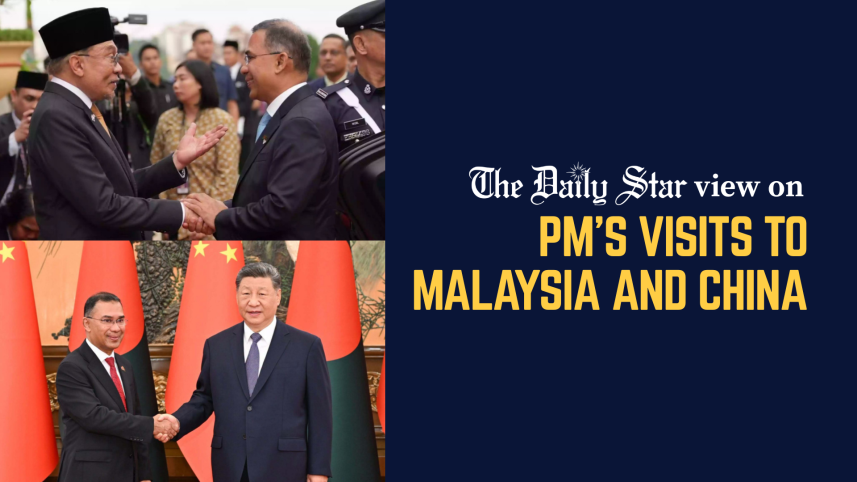
Prime Minister Tarique Rahman's maiden foreign visit to Malaysia and China, can be evaluated as strategic and successful. By going to Malaysia first, the PM avoided the speculation that he was giving China special priority, something that would no doubt irk quite a few of Bangladesh’s foreign friends. It also gave credence to the PM’s focus mainly on economic and developmental interests, while visiting both countries.
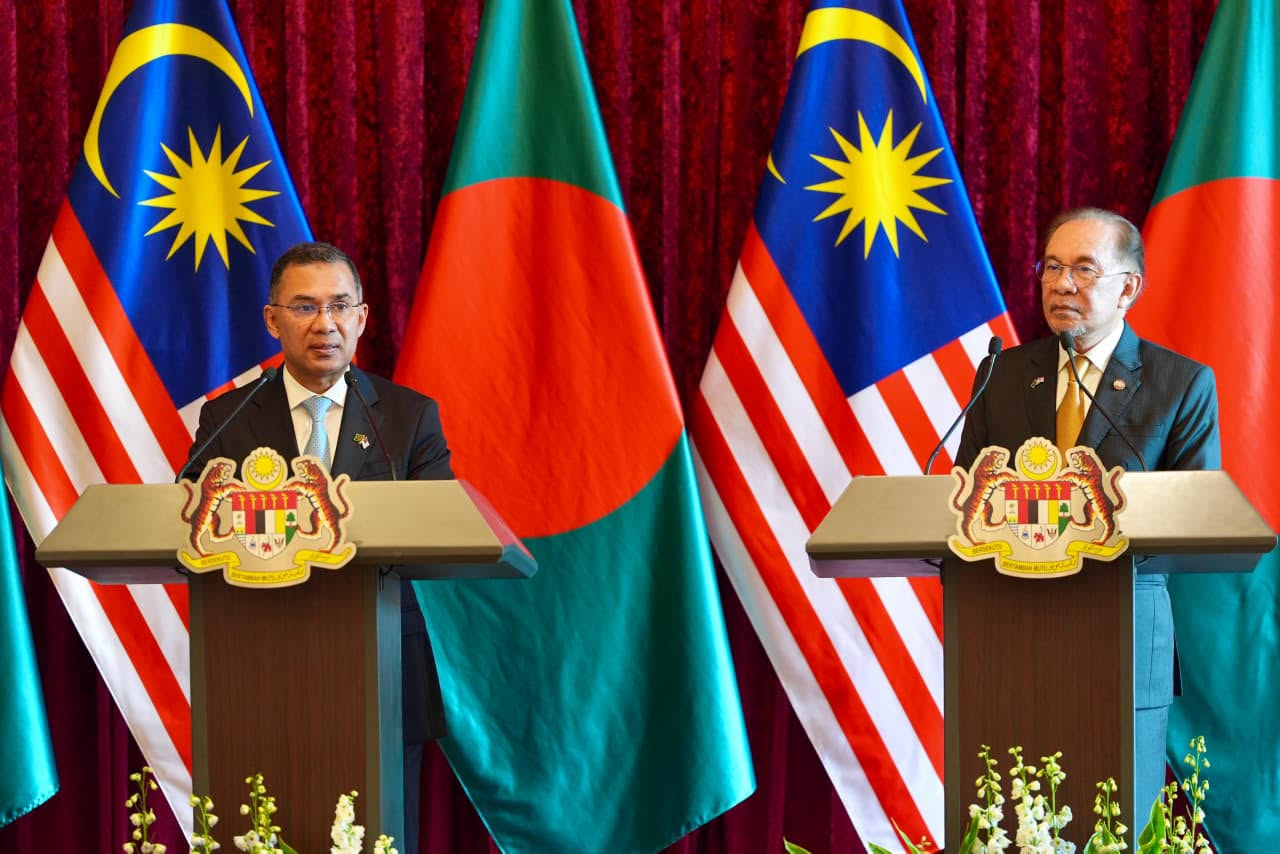
In Malaysia, one of Bangladesh’s major Asian trading partners and expatriate labour destinations, discussions focused on reopening the labour market for Bangladeshi workers, improving migrant worker protection, and encouraging Malaysian companies to invest in Bangladesh. With remittances being one of the main sources of foreign exchange, progress in labour mobility will bring significant economic relief, if Malaysia agrees to the PM’s request. The two countries also agreed to revitalise the long-inactive joint commission mechanism to accelerate economic cooperation and negotiations on a free trade agreement (FTA).

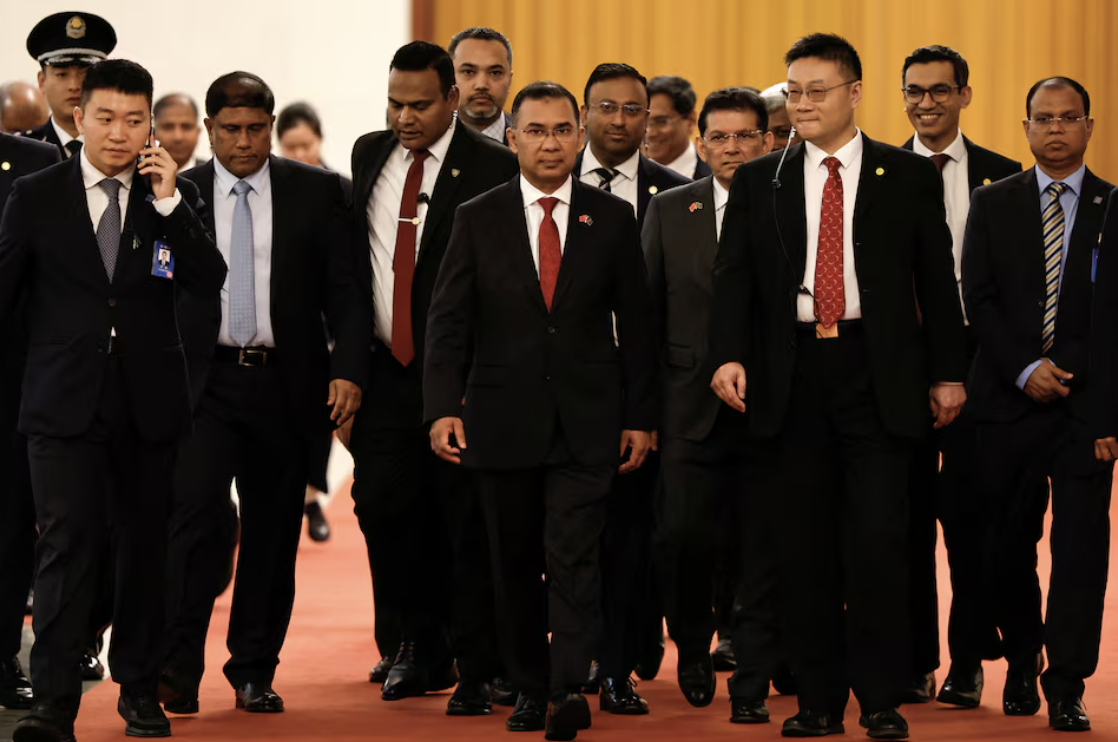
Later, during the four-day official visit to China, PM Tarique Rahman met with Chinese President XI Jinping and many other high officials, accomplishing the goal diplomatically termed “deepening ties.” Bangladesh signed 17 MoUs covering investment, infrastructure, industrial development, green technology, education, healthcare, and connectivity. Bangladesh also advocated for better market access to reduce the bilateral trade deficit, faster implementation of current projects, and more Chinese investment. Among the MOUs is an agreement with a Chinese state-owned company to develop an economic zone at Mongla. Besides, China is reportedly willing to work with Bangladesh to import more high-quality products from Bangladesh, support Chinese enterprises in investing in the country, and expand cooperation in emerging industries such as new energy, the digital economy, and artificial intelligence. Whether Bangladesh will be benefitted will of course depend on whether investment commitments are implemented.
From a diplomatic perspective, both visits are significant as they are the first foreign visits of PM Tarique Rahman and demonstrate Bangladesh’s intention to pursue a diversified foreign policy while balancing relations with regional partners, especially India. They also indicate the BNP’s traditional “Look East” policy, which may prove to be economically salient at a time when Bangladesh badly needs to boost investment and expand its labour markets. While a closer relationship with China may bring about developmental and economic boosts, Bangladesh will need to balance its relationship with other major partners including India, Japan, the US, and ASEAN countries. China’s promise to support Teesta management, however, may be a sore point for India. Bangladesh will have to ensure that the latter is on board with it, as a water-sharing agreement with India is essential to ensure adequate water flow during the dry season.
Overall, both visits have ended on a positive note. The warm reception given to the PM by both countries and the number of MoUs signed, especially with China, are promising indicators of stronger bilateral relations. The success of these agreements, however, will depend on tangible results such as increased foreign investment, better employment opportunities, better project implementation, and steady economic growth.
 For all latest news, follow The Daily Star's Google News channel.
Comments