


We don’t need another DSA playbook
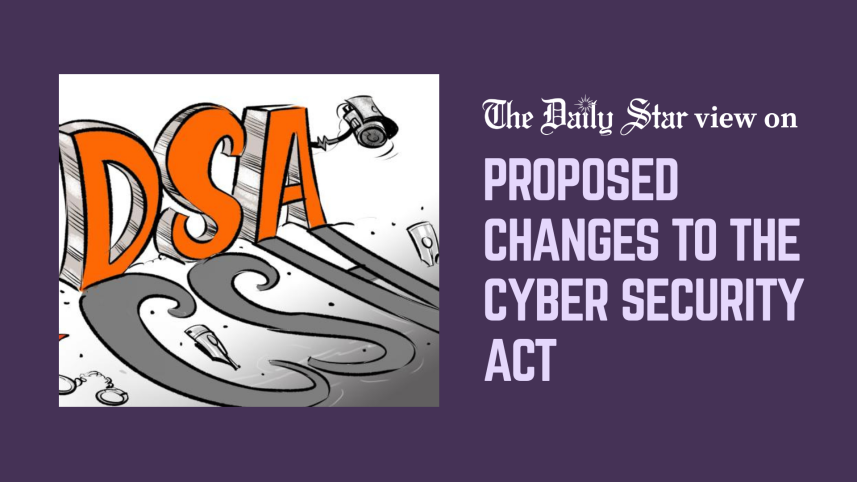
We are concerned that the government’s proposed amendment to the Cyber Security Act, 2026 may create a legal framework that takes us back to the era of the dreaded Digital Security Act (DSA). The draft amendment, published by the ICT Division on Sunday night, reintroduces digital defamation as a crime and proposes up to five years in prison and Tk 20 lakh in fines upon conviction—penalties that are harsher than those under the DSA, as found by an analysis by this daily. It also proposes the same penalties for “humiliation” and “bullying” online, as well as sexual harassment, blackmail, sextortion, child sexual abuse, revenge porn, and the publication of obscene content. The proposed changes also criminalise spreading “rumours” or “fake news”, for which up to 10 years’ imprisonment and a fine of up to Tk 40 lakh have been suggested.
As experts have pointed out, the proposed definitions of these offences are broad enough to leave considerable scope for subjective interpretation. Transparency International Bangladesh has warned that the draft could allow targeted abuse as well as unchecked surveillance of online expression, while Tech Global Institute has criticised the lack of meaningful safeguards for public-interest reporting. Considering our past experience with such laws, we cannot help but concur.

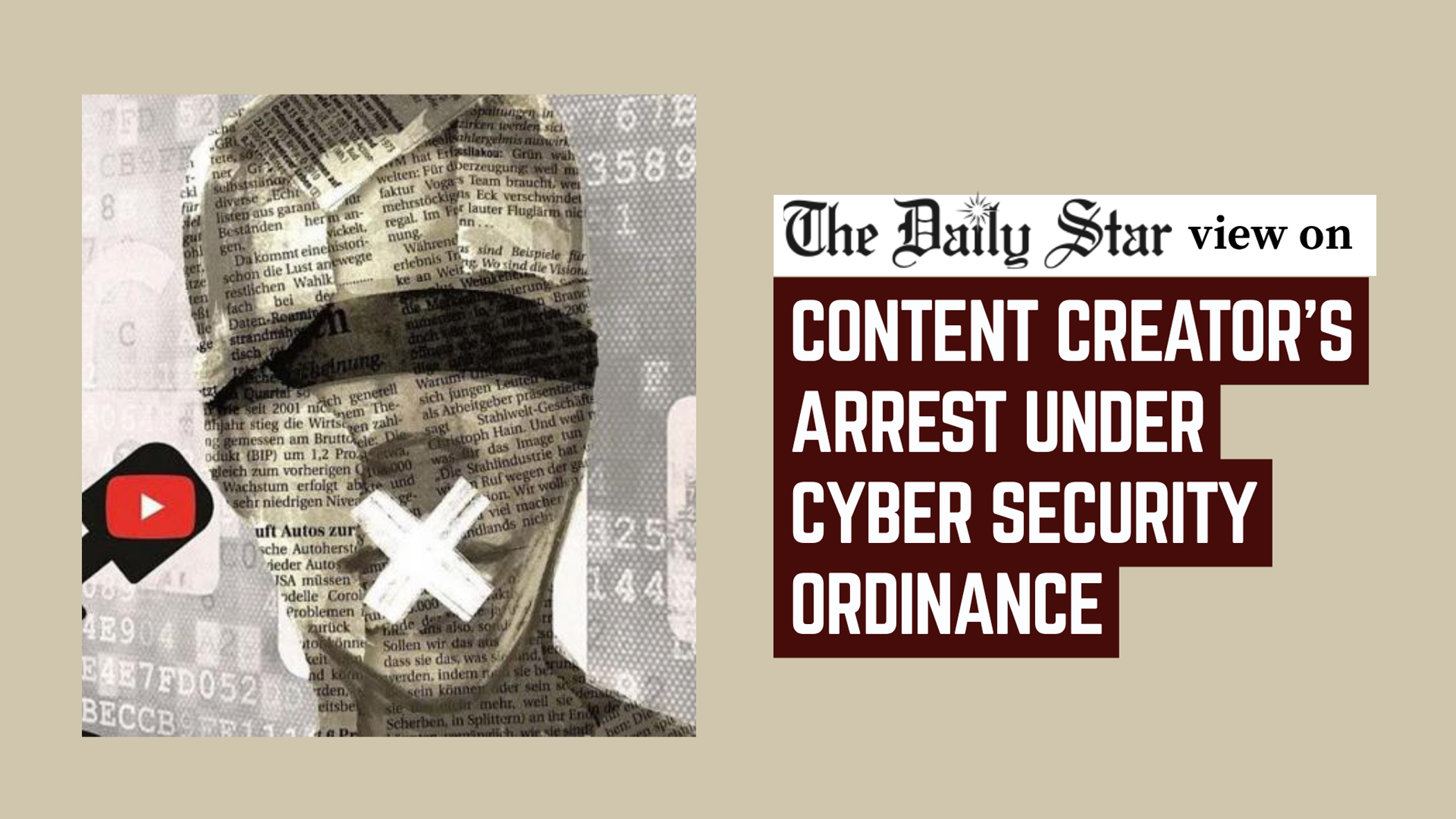
The DSA and its successor Cyber Security Act (CSA), 2023 were widely criticised for enabling the prosecution of journalists, activists, and ordinary citizens over online expression. The Cyber Security Ordinance, 2025, issued by the interim government, removed nine controversial provisions of the CSA. The proposed amendment now risks undoing some of that progress. If approved, it would expand the authority to seek content blocking beyond law enforcement agencies, broaden the grounds for blocking, and remove the requirement to publicly disclose blocked content. Mobile courts would be empowered to adjudicate several cyber offences, including defamation, humiliation and bullying. These provisions may result in state-sanctioned restrictions on individual liberty.

Hence, we suggest that the proposed changes be withdrawn and that the government open a consultation process with the relevant stakeholders—including civil society leaders, media representatives, and rights experts—before advancing any amendment. The new law must have appropriate safeguards to protect freedom of expression and press freedom. Definitions of cyber offences must be clear and precise, and guidelines based on international best practices must be formulated to prevent deliberate misinterpretation and misuse.
There is no doubt that Bangladesh needs an effective law to curb cybercrime, but it must be able to distinguish between genuinely harmful conduct and criticism, satire, and political speech. We do not want to see a repeat of what happened in April: when a content creator was arrested in Dhaka for posting a cartoon on the chief whip. The government must review every provision of the law that can criminalise legitimate expression and ensure accountability for misuse by state agencies. In its attempt to secure cyberspace, it must not reopen the door to the DSA era.
 For all latest news, follow The Daily Star's Google News channel.
Comments