


End of the Messi era and a generation’s love of football

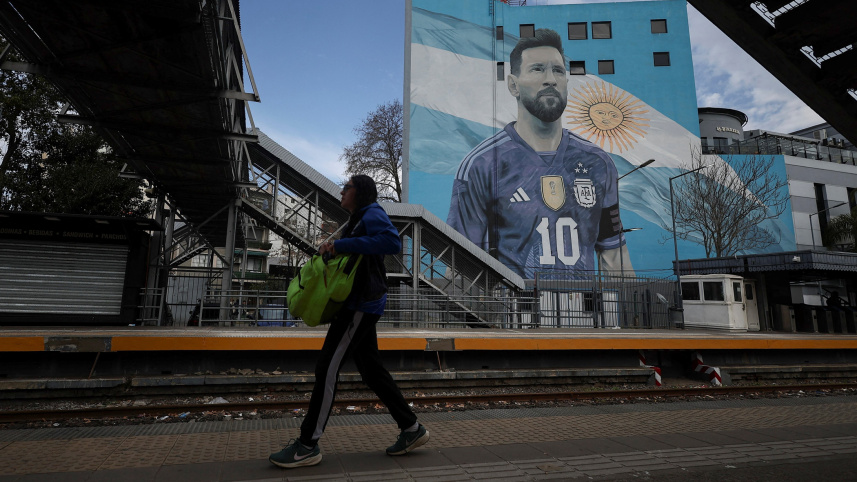
“Lionel Messi has conquered his final peak. Lionel Messi has shaken hands with paradise.” British commentator Peter Drury said these words after Argentina’s victory in the 2022 World Cup final. They belonged to a moment that felt larger than football: “The little boy from Rosario, Santa Fe, has just pitched up in heaven. He climbs into a galaxy of his own.”
For a generation that grew up with Messi, the image was inseparable from everything that had come before it. We first watched him at Barcelona, a slight and quiet boy whose left foot seemed to understand the game before everyone else. Then came the goals, the Champions League nights, the impossible dribbles, and the passes that appeared only after he had already seen the space. We watched him grow from a prodigy into the centre of Barcelona’s universe. We stayed awake for La Liga, often knowing the next morning would be difficult, because a Barcelona match with Messi was an invitation to witness something that might not happen again.


Still, Messi’s story was never confined to the club where he became a global star. From the very beginning, it belonged to Argentina, the country that had given the world Diego Maradona and then spent years waiting—sometimes impatiently and sometimes cruelly—for his successor. Messi won the 2005 FIFA World Youth Championship, made his senior Argentina debut that same year, and added Olympic gold in 2008. The promise was already there, and so was the expectation. He was compared not only with Maradona’s football, but with his personality, defiance, and his relationship with the Argentine people. Where Maradona had been loud, rebellious and theatrical, Messi was private, restrained and almost painfully reserved. Argentina wanted another Maradona, but Messi knew he would have to find his own way into the position Maradona had left behind.
His early-to-mid years with the senior national team, however, were marked as much by frustration as promise. Under Maradona’s coaching, he went goalless at the 2010 World Cup. Four years later, he reached the final in Brazil only to lose to Germany, followed by consecutive Copa América final defeats to Chile in 2015 and 2016. With every failure, his achievements with Barcelona seemed to count for less in the eyes of his critics. The criticism was often unfair— after all, he was the one to carry Argentina to those finals—but football rarely allows its greatest player to hide behind context. After the defeat to Chile in 2016, Messi announced retirement from international football. He was not simply leaving a team but stepping away from a burden that had begun to consume the joy of playing for his country.
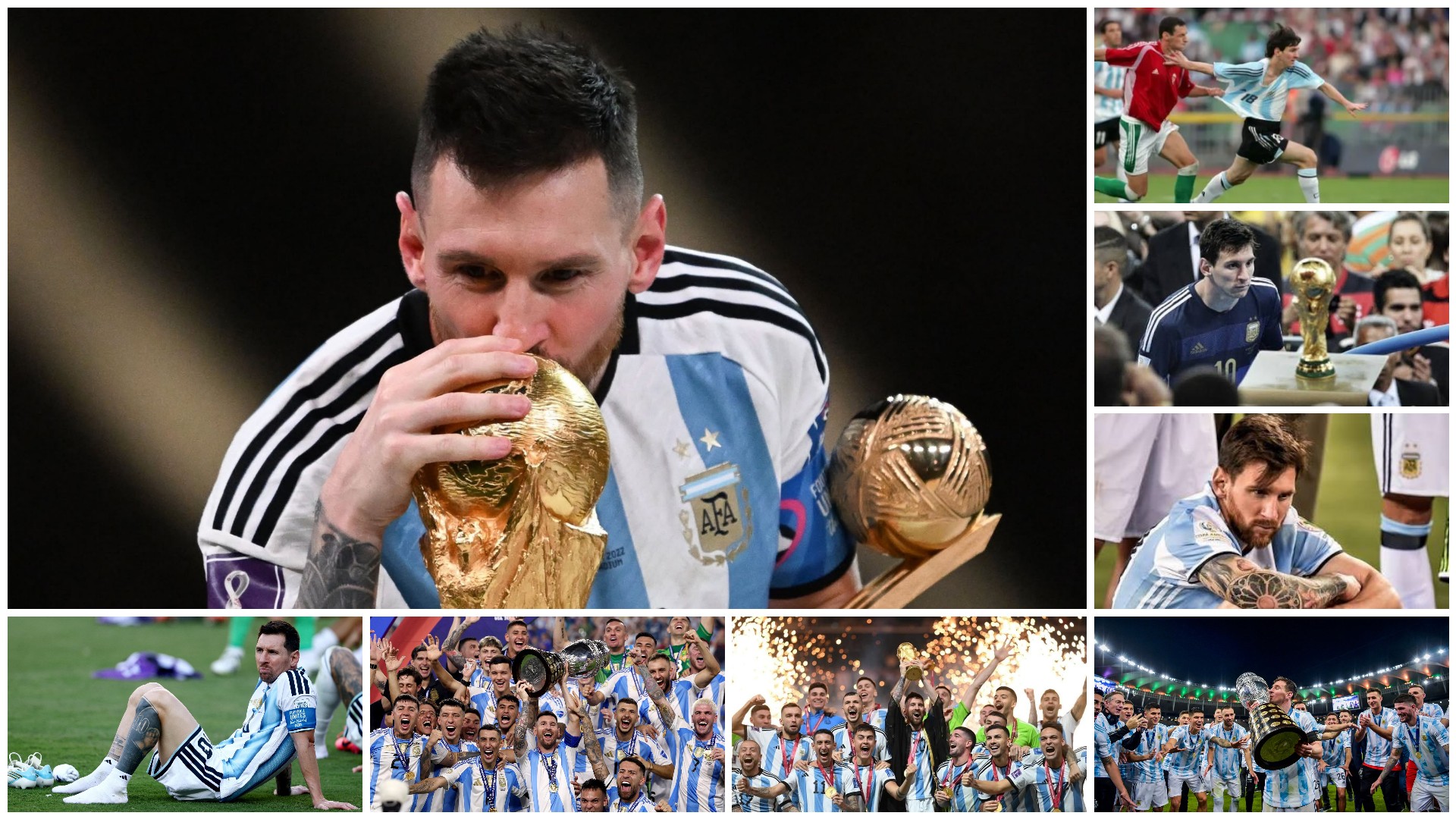
Then he returned, and what changed was less Messi than the team around him. Under Lionel Scaloni, Argentina developed the structure, energy and trust that allowed him to stop carrying the entire weight alone. His leadership remained quiet, but it became impossible to miss. He led by continuing to ask for the ball, continuing to take responsibility, and continuing to appear after disappointment had offered him every reason to disappear.
The Copa América victory in 2021 was the first great release. Messi’s tears after the final carried the memory of the lost finals, criticism, and the 2016 retirement announcement. It was his first major senior international trophy with Argentina, and it changed something fundamental in the relationship between the player and his country. The Finalissima followed. Then came Qatar, where everything seemed to converge.
At 35, Messi scored twice against France in the greatest World Cup final ever played. He stepped forward when Argentina needed him, stood up again when the match went to penalties, and lifted the trophy that had eluded him for so long. The 2022 World Cup trophy completed the part of his story that Argentina had been waiting to see. “He was beautiful,” Drury said that night. “He was the point of difference. He has always been the point of difference.”
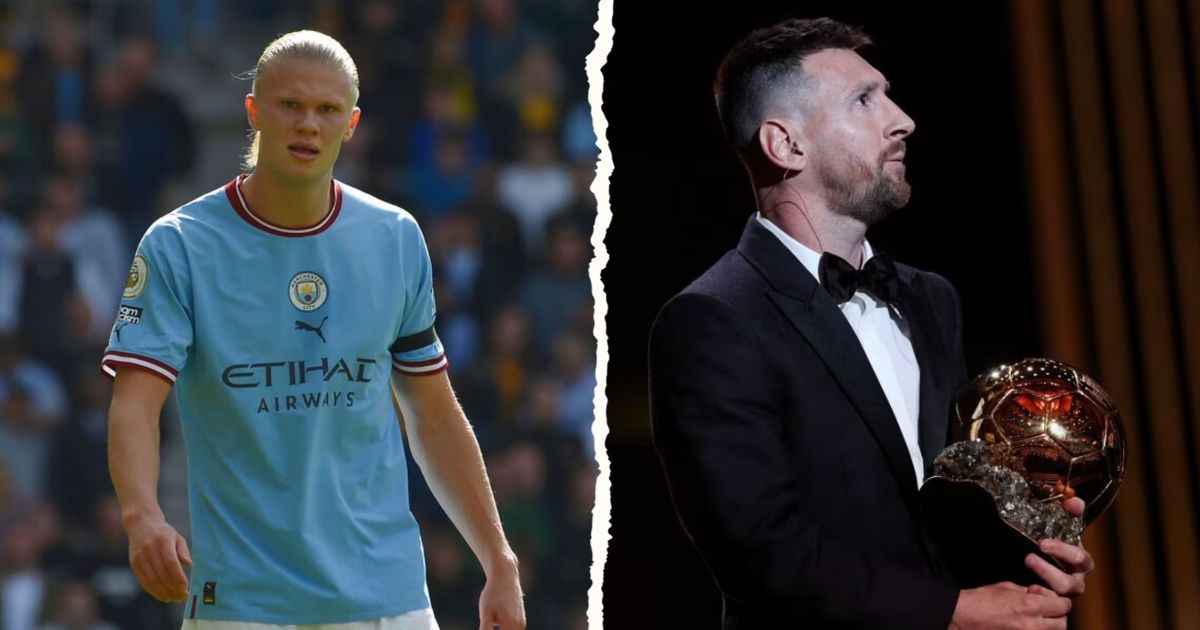
Great as he may be with the Blaugrana, Messi was equally the reason an entire generation fell in love with Argentina again after Maradona’s departure. Many of us had no personal connection to the country. We had never walked its streets or stood inside its stadiums. But Messi made Argentina feel familiar. We learnt the names of the players beside him, stayed awake or got up early for matches in distant time zones, and celebrated victories as though they had happened much closer to home. A football team from South America became part of the emotional life of people who had never set foot in the country.
That attachment was also about time. We watched Messi as children, students and young adults. We followed him through Barcelona’s greatest nights, Argentina’s most painful defeats, and the sweetest of his triumphs. Players came and went, managers changed, and football became faster, louder and more commercial. But Messi remained the constant.
His records will remain too: 207 appearances, 125 goals, a World Cup and two Copa América titles (2021 and 2024). But records cannot measure the nights we stayed awake, the silence before one of his free kicks, or the anticipation that came whenever the ball reached him near the penalty area. They cannot explain why his first retirement felt like a private loss, why his return felt like hope being offered another chance, or why his World Cup win felt more like a personal accomplishment.
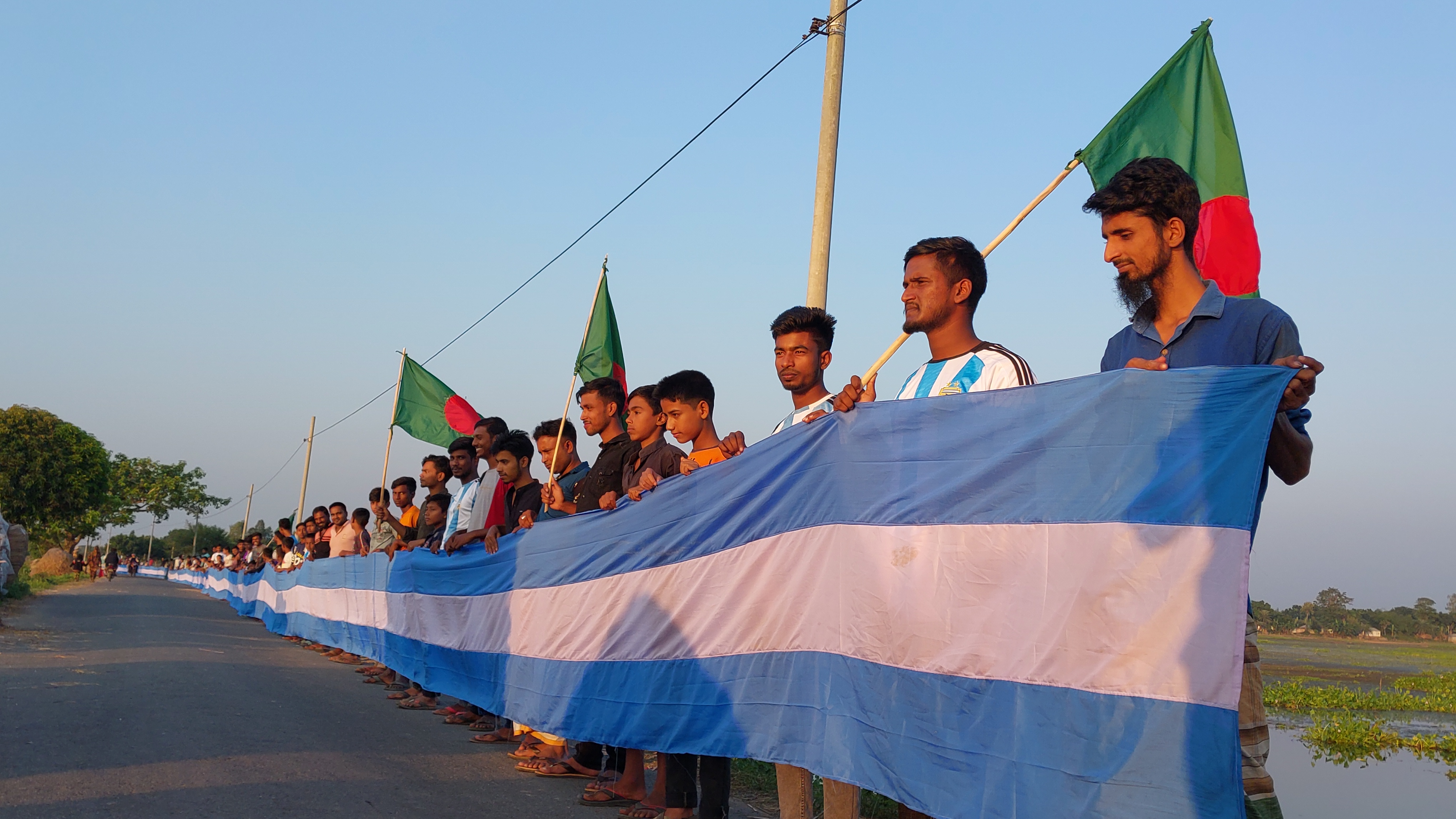
That is why his international retirement seems like the end of a period in our own lives. We know football will continue, Argentina will continue. Another player will wear the shirt, another captain will lead the team. But we will no longer have the strange certainty that Messi will be there, somewhere on the pitch, waiting to change a match with a touch, a run or a pass that nobody else could see.
There will always be questions about where he belongs in football history. Drury knew that too. “There will, of course, always be those who argue, always those who debate. And the debate could rage on if you like.” But for those who grew up with Messi, no verdict can quite capture what he meant to us.
On December 18, 2022, when Messi embraced the trophy, Drury found words that remained equally relevant on July 19 this year, when he fell short: “As he falls in love with the object in the world that his heart most desired, it is hard to escape the supposition that he has rendered himself today, the greatest of all time.”
Jannatul Naym Pieal is a writer, researcher, and journalist. He can be reached at jn.pieal@gmail.com.
Views expressed in this article are the author's own.
Follow The Daily Star Opinion on Facebook for the latest opinions, commentaries, and analyses by experts and professionals. To contribute your article or letter to The Daily Star Opinion, see our guidelines for submission.
 For all latest news, follow The Daily Star's Google News channel.
Comments