


Treat hazardous jobs as they are
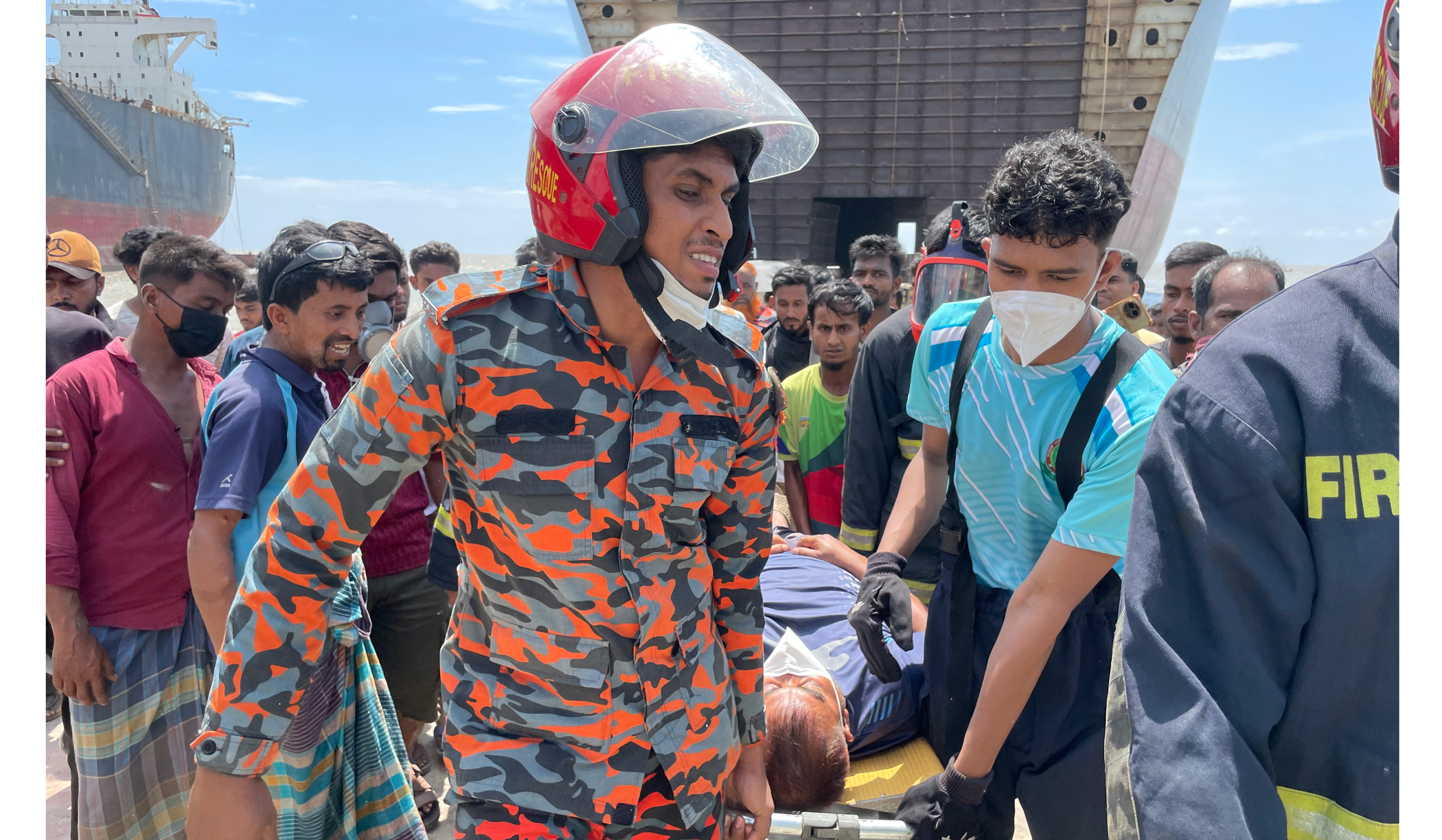
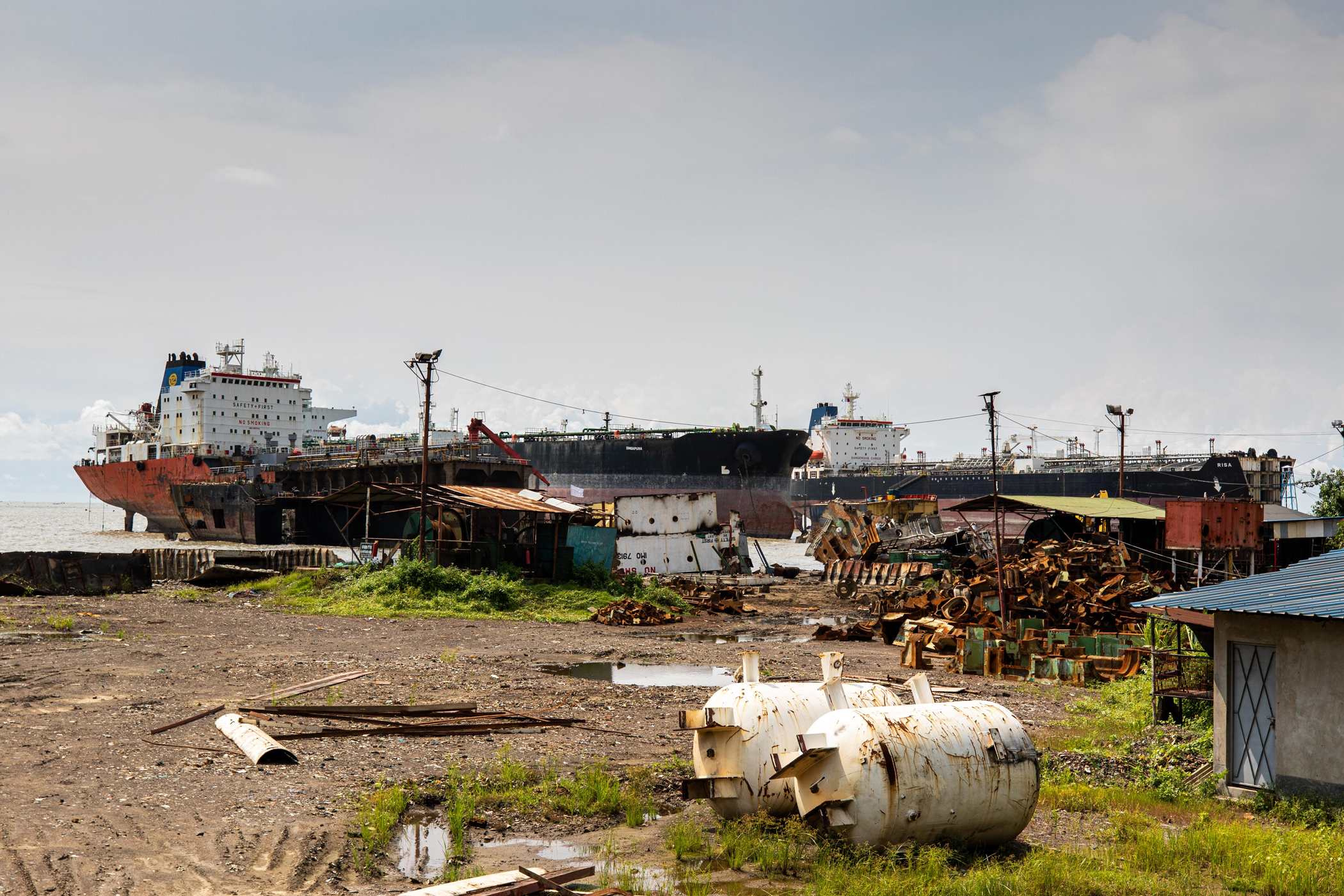
In a labour-intensive country like Bangladesh, we often see instances where lives are treated as expendable. Last month, 10 workers succumbed to toxic gas exposure aboard a scrap ship at a ship recycling yard in Chattogram’s Sitakunda. An 11-member committee formed to investigate the incident found several serious lapses that should never have been neglected in a hazardous workplace like a shipyard. While the investigation report is the first step in identifying the reasons behind this avoidable disaster, we would like to stress that the real work—of ensuring no further lives are lost due to such neglect—begins now.

The probe report raises several alarms. It found that the hazardous ship cutting operation was treated as routine work without basic safety oversight, and that the ship’s gas-free certification lacked tests for hydrogen sulphide, exposure to which is believed to have caused the workers’ deaths. The South Korean company that issued the gas-free certification did so without including any tests for hydrogen sulphide or carbon monoxide. Worse yet, all the tanks were allegedly marked “acceptable” without physical inspection. How a job involving potentially lethal gases could be allowed to proceed without full compliance with basic safety procedures demands answers.
Furthermore, the workers who died were not wearing protective gas masks, despite adequate PPE reportedly being available in the yard’s store. The work was also carried out when crucial safety personnel were absent. There were also discrepancies between the workers present on the day and the approved worker list submitted to the Bangladesh Ship Recycling Board (BSRB). This raises troubling labour rights questions about whether the other workers were informally recruited, and if so, whether they were denied the protections, wages, and accountability that formal employment should entail.
Additionally, the fact that the probe found no negligence by government agencies tasked with ensuring ship and worker safety also raises questions. Per the Shipbreaking and Ship Recycling Rules, 2011, the BSRB has responsibilities ranging from ensuring that a ship is safe and free of hazardous and toxic waste to overseeing worker safety and safety equipment. We appreciate the industries minister acknowledging the tragedy as a strong lesson for the government. However, this must be followed by actionable institutional and enforceable steps. Nothing would be more tragic than more lives being lost just because our institutions continue to ignore basic safety compliance in hazardous jobs.
 For all latest news, follow The Daily Star's Google News channel.
Comments