


A new chance to fix urban primary healthcare in Bangladesh


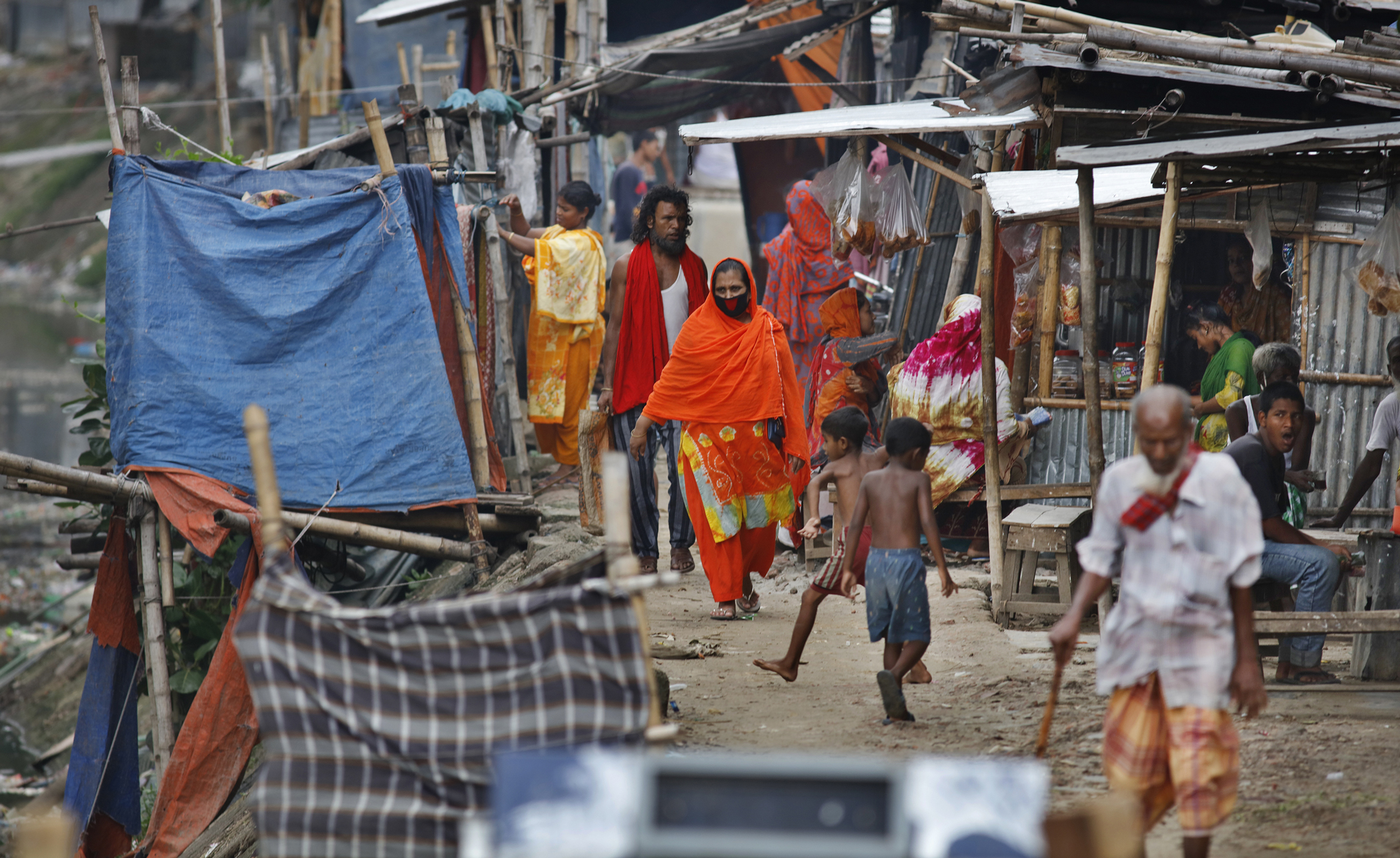
More than 40 percent Bangladeshis live in urban areas, 35 percent of whom reside in slums, according to the Bangladesh Bureau of Statistics’ 2022 census. But urban primary healthcare services are still delivered by a fragmented mix of providers: the health ministry operates urban dispensaries and hospital outpatient departments, city corporations run some facilities, and NGOs manage contracted and donor-supported clinics. Private chambers, diagnostic centres, pharmacies, and informal providers deliver much of the first-contact care. Rapid urbanisation has created a larger, increasingly mobile and diverse population. The rise of non-communicable diseases (NCDs) is also creating the demand for continuous care that the existing urban primary healthcare system is not designed to provide.

The 2021 Urban Health Survey by the National Institute of Population Research and Training found that in city corporation slums, neonatal mortality reached 27 deaths per 1,000 live births in 2016-2021, while around 33 percent of under-five children were stunted, 16 percent wasted, and 28 percent were underweight. Only 53 percent of newborns in slums received a check-up from a medically trained provider within two days of birth. So, despite the concentration of health facilities in cities, access to comprehensive primary healthcare remains highly unequal.
In May, the government said 192 urban primary healthcare facilities were being transferred from the Local Government Division to the Directorate General of Health Services (DGHS). Earlier in April, the DGHS decided to set up 170 urban primary health and nutrition centres in Dhaka North, Dhaka South, and Chattogram city corporations, at a cost of Tk 1,157 crore. In July, the health minister said the government was considering an expansion of the Aalo Clinic model, given its success in providing healthcare to disadvantaged urban populations, and would apply its lessons to the 192 facilities mentioned above.

These initiatives could help address the fragmented delivery of urban primary healthcare. But in order to create an integrated and sustainable health system, more needs to be done. The National Urban Health Strategy 2020 identified the major problems plaguing urban healthcare: weak coordination between the health and local government ministries, inadequate public primary healthcare capacity, limited attention to slum residents and floating populations, absence of separate city health budgets, weak regulation of NGO and private providers, fragmented information and referral systems, and insufficient services for NCDs.
The lack of an accountable network connecting various urban healthcare providers must be addressed. Projects such as Surjer Hashi and Aalo Clinic helped fill this gap to some extent, particularly for maternal, newborn, child and reproductive health. But they remain geographically selective and project-dependent. There’s the issue of finance, too. The ADB-supported model has relied largely on development financing. City corporations were expected to contribute around one percent of their revenues, but contributions were irregular and most did not establish fixed primary healthcare budget lines.
This weakness became evident after June 2025, when an interim arrangement for some clinics split operating costs among NGOs, the Local Government Division, and city corporations. The DNCC has since introduced a dedicated health budget and resources for primary healthcare, but such arrangements remain exceptional rather than part of a predictable national financing framework. Besides, salaries, medicines, diagnostics, utilities, maintenance, and outreach require reliable recurrent expenditure. Requiring NGOs to generate a large share of operating costs through user charges also creates an equity problem: facilities intended for poorer populations become increasingly dependent on the patients’ ability to pay. City corporations and municipalities have long lacked separate health budgets and have limited capacity to mobilise resources.
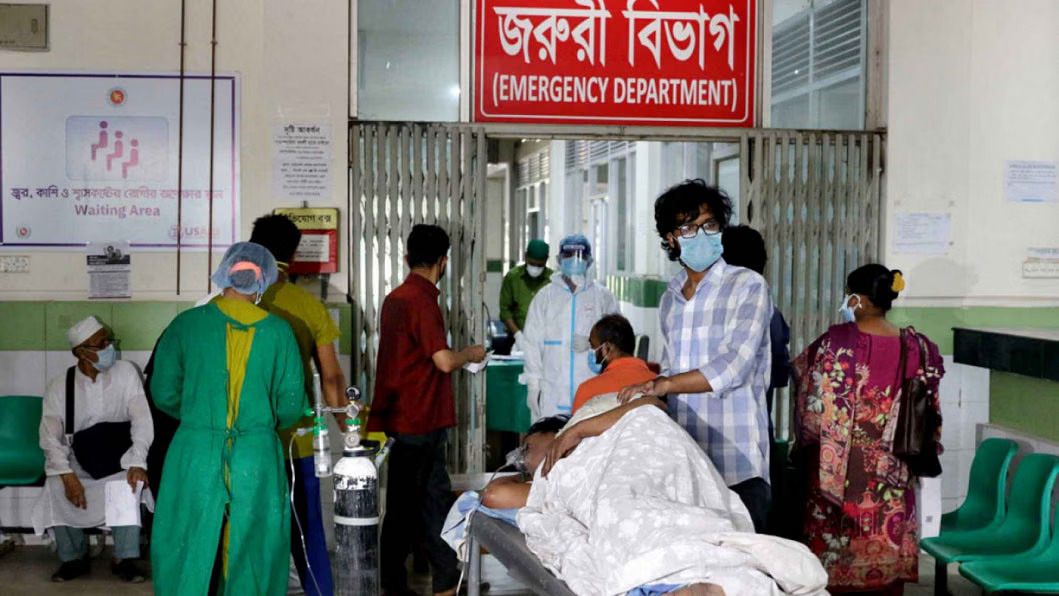
Urban primary healthcare also needs to expand its service scope to include diagnosis and treatment of hypertension, diabetes and other NCDs, which are steadily on the rise. At present, these patients often move among pharmacies, private chambers, diagnostic centres, NGO clinics, and hospitals.
Whereas rural healthcare has a defined community-based platform (combining facility work with household outreach) urban healthcare does not. Vaccinators and EPI personnel provide important services, while NGOs deploy outreach workers in selected areas, but these arrangements remain uneven. This gap is particularly important for NCDs and mobile populations: screening for hypertension does little if patients cannot be followed to ensure treatment initiation, medicine adherence, and completed referrals.
The DGHS needs to establish clinical standards for the essential service package, using satellite and mobile clinics for slum, working and floating populations, and developing a structured referral system and health information for urban primary healthcare. City corporations may retain responsibility to map all facilities in urban areas, assign facilities to defined catchment populations, and ensure community engagement, environmental health, and local accountability. It is also crucial to standardise and display NGO and private healthcare providers’ fees, bringing non-government providers into the DGHS information system. The government can consider transferring physician and nurse posts from city corporation facilities to the DGHS and the Directorate General of Nursing and Midwifery (DGNM), considering the ongoing institutional transition.
The transfer of 192 centres to the DGHS may improve coordination, but it is important to ensure that these clinics function. Clinic operators need a clear, costed operational directive from the DGHS covering staffing, salaries, medicines, utilities, existing NGO personnel, and protection of services for poor patients. The DGHS project provides part of the answer. The 170 urban health centres are supposed to operate in two shifts through a hub-and-spoke model, with additional human resources, at least 80 percent availability of essential medicines, and full integration into the digital health information system. However, the new project covers three city corporations while the 192 transferred facilities span 12 city corporations and 23 municipalities. Moreover, the project is scheduled to end in June 2028. Development financing for three cities cannot substitute for a recurrent financing architecture for the nationwide urban primary healthcare system. The project should therefore also be used to design institutional, financing, and workforce arrangements.
The DGHS needs a recurrent allocation for clinical operations, while city corporations need protected health budgets. A financing plan to sustain services should be finalised. Urban primary healthcare also needs a community health workforce assigned to defined catchments, covering immunisation, health promotion, maternal and child health, NCD follow-up, climate-related illness, referrals, and outreach to migrants and floating populations. All facilities and contracted providers should be brought under a single referral, financing, and information architecture. The success of reform initiatives will be measured by whether mandate, money, and accountability finally follow all of the urban population.
Dr Rumana Huque is professor in the Department of Economics at Dhaka University and executive director at ARK Foundation.
Views expressed in this article are the author's own.
Follow The Daily Star Opinion on Facebook for the latest opinions, commentaries, and analyses by experts and professionals. To contribute your article or letter to The Daily Star Opinion, see our guidelines for submission.
 For all latest news, follow The Daily Star's Google News channel.
Comments