


Why we must better use our off-docks

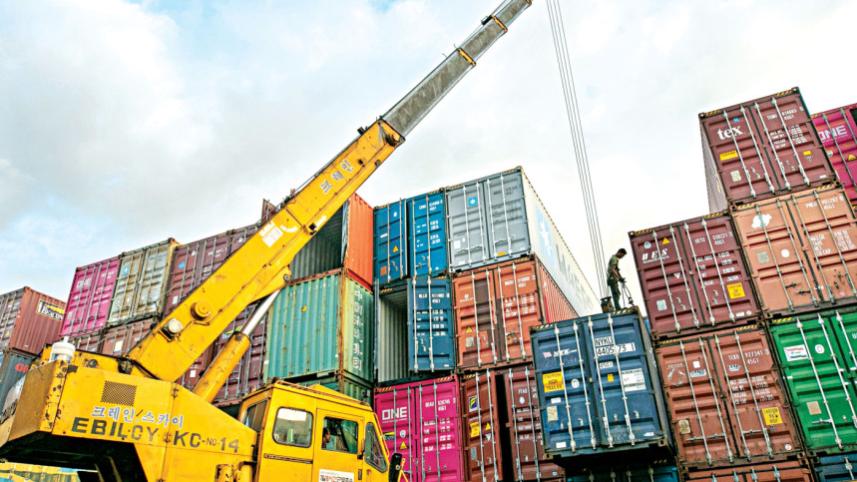
Bangladesh's logistics system is under strain from pressures it was never designed to absorb. Chittagong Port, the country's principal maritime gateway, continues to grapple with chronic congestion as container volumes grow much faster than yard capacity and systemic efficiency improvements. The consequences are familiar but increasingly costly: vessel delays that disrupt supply chains, long dwell times that inflate logistics expenses, and hundreds of millions of dollars paid annually in demurrage and storage charges, much to foreign shipping lines. These inefficiencies ultimately undermine the competitiveness of Bangladesh's exporters, importers, manufacturers, and consumers alike, although the solution, to some extent, already exists. Bangladesh has a network of private inland container depots (ICDs), commonly known as off-docks, that remains chronically underused due to outdated policies and limited regulatory flexibility.
For decades, Bangladesh has operated with a structural imbalance in its cargo-handling architecture. While exporters have long relied on over twenty private ICDs for stuffing, handling, and clearance, import containers have largely been confined to the port yard under restrictive rules imposed by the National Board of Revenue (NBR). This asymmetry has forced the full burden of import congestion onto Chattogram port, limiting competition and suppressing system-wide efficiency. Meanwhile, off-docks—equipped with trained manpower, modern handling equipment, digital systems, and substantial unused yard space—have operated far below capacity. Globally, ports function as high-speed transit points rather than long-term storage yards. Bangladesh, unfortunately, has remained an exception.

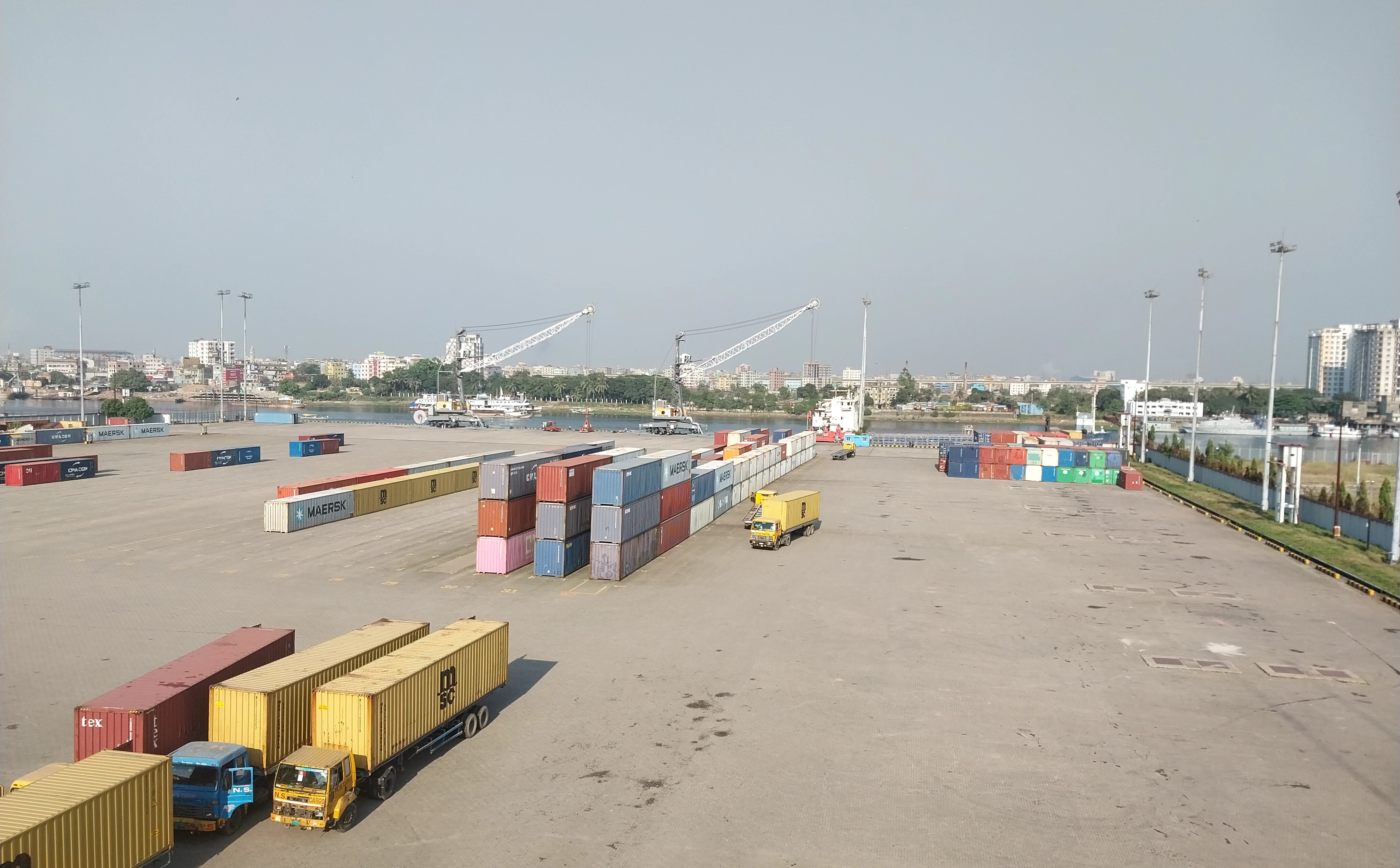
In recent years, incremental reforms have begun to shift this paradigm. In 2025, the NBR approved 15 to 16 additional categories of imported goods for delivery through private ICDs, expanding eligibility to roughly 65 product categories. A directive was also issued requiring containers destined for ICDs to be transferred from the port on the same day of discharge, or by the following day if immediate transfer is not possible. These steps were meant to speed up cargo flow and relieve pressure on congested port yards.
Still, congestion at Chattogram port remains acute. In calendar year 2025, the port handled a historic high of 3.41 million Twenty-foot Equivalent Units (TEUs), alongside 13.82 crore tonnes of cargo and 4,273 vessel calls—the highest in its nearly five decades of container operations. The port continues to handle around 92 percent of Bangladesh's total import-export cargo and nearly 98 percent of containerised trade. Despite these impressive throughput numbers, yard density frequently hovered between 83 and 88 percent, well above optimal safety and efficiency thresholds. Vessel berthing delays persisted, particularly for gearless vessels, underscoring that record volumes alone do not translate into smooth operations.
At the same time, the off-dock sector itself—limited to only about 21 ICDs over nearly four decades—now faces mounting pressure from rising export volumes and incremental import flows. While national trade volumes have surged, ICD capacity expansion has lagged far behind, reinforcing congestion rather than easing it.
Infrastructure constraints, however, tell only part of the story. A deeper issue lies in policy recognition and incentives. Despite handling roughly 93 percent of Bangladesh's containerised exports, off-docks are still classified merely as service providers rather than as part of a formal logistics industry. This classification excludes them from industrial loans, tax incentives, and policy protections routinely extended to logistics operators in comparable economies. In contrast, major public logistics projects—such as Laldia Char Container Terminal or the Pangaon Inland Container Terminal—have benefited from generous fiscal support, including long-term tax exemptions and regulatory concessions. Private ICDs receive no such support, not even duty exemptions on essential equipment like reach-stackers, trailers, or container scanners. The result is an uneven playing field that discourages private investment and modernisation.
The scanner issue illustrates this policy misalignment clearly. While scanners at public ports and state-owned terminals are procured and operated by the government, private ICDs must finance both procurement and operation on their own. This has produced a stalemate: off-docks hesitate to invest without guaranteed increases in import allocation, while authorities hesitate to allocate more imports without adequate scanning capacity. Countries such as Malaysia and Thailand resolved similar deadlocks through shared-scanner models or government-backed financing schemes. Bangladesh will need a comparable approach if it wants to expand ICD participation while maintaining regulatory compliance.
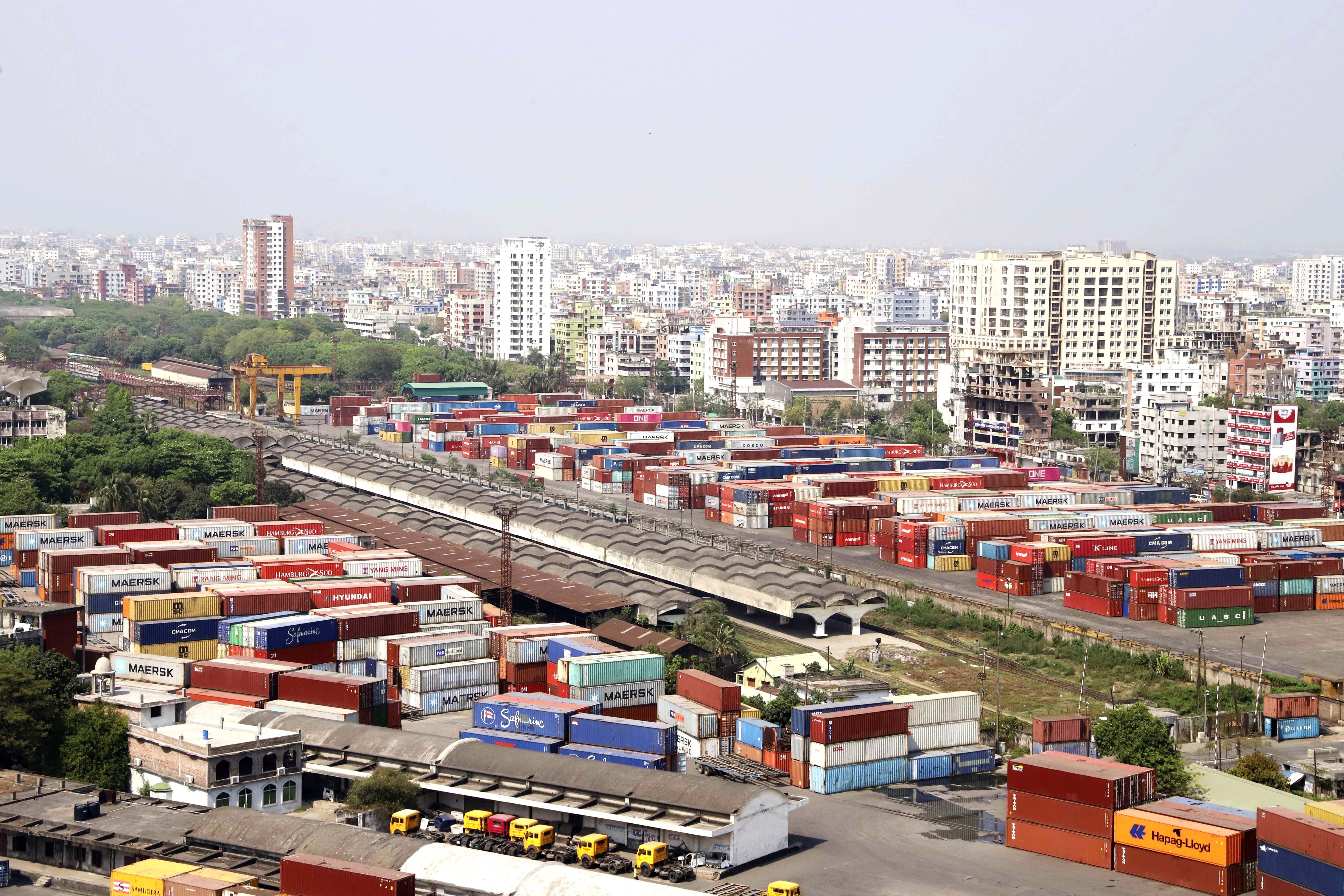
Tariff-setting has become another persistent source of friction. Despite having very different cost structures, off-dock tariffs often mirror those of Chattogram port, even though the port deliberately maintains high storage charges to discourage long dwell times—an incentive ICDs do not share. The fragility of this arrangement became evident during the recent tariff controversy. After sharp increases in ICD handling charges prompted government intervention in 2024, a fresh dispute emerged in 2025, ultimately resolved through a temporary 20 percent tariff increase for six months following negotiations among exporters, ICD operators, and the Chittagong Port Authority. While the compromise averted operational disruption, it once again exposed the absence of a transparent, institutional mechanism for cost-based tariff determination.
This is where the idea of a national logistics commission deserves serious consideration. Such a commission could provide cross-ministerial coordination, harmonise tariff frameworks, align customs processes, and serve as a neutral referee among ports, off-docks, transport operators, and regulators. Bangladesh's logistics sector continues to suffer from fragmented decision-making that delays reform and inflates costs. Coherent oversight is long overdue.
The economic cost of inaction is substantial. Bangladesh loses hundreds of millions of dollars annually through avoidable demurrage, excess storage charges, and lost efficiency. If even half of all import containers were moved to off-docks within 24 hours of discharge, demurrage costs could fall by as much as 70 percent. Over time, the savings would strengthen foreign-exchange reserves, lower the cost of doing business, improve export competitiveness, and stabilise consumer prices.
Recent reforms suggest growing recognition that outdated logistics practices are no longer sustainable. But partial measures will not be enough. Fully integrating off-docks into the national logistics architecture will require liberalising import access, ensuring scanner parity, recognising ICDs as an industry, establishing transparent tariff oversight, and adopting digitally enabled bonded-zone systems modelled on successful international examples. Off-docks, in turn, must commit to transparency, efficiency, and technological modernisation.
The recent tariff disputes, record-high container volumes, persistent congestion, and slow ICD expansion all point to the same conclusion: Bangladesh's logistics challenges are structural, not incidental. Continuing with outdated practices will only prolong inefficiencies and erode competitiveness. Embracing comprehensive reform offers a clear path forward. If Bangladesh is serious about sustaining its growth and competing in an increasingly demanding global market, the time to act is now.
Ahamedul Karim Chowdhury is adjunct faculty at Bangladesh Maritime University and former head of the Kamalapur Inland Container Depot (ICD) and the Pangaon Inland Container Terminal under Chittagong Port Authority.
Views expressed in this article are the author's own.
Follow The Daily Star Opinion on Facebook for the latest opinions, commentaries, and analyses by experts and professionals. To contribute your article or letter to The Daily Star Opinion, see our guidelines for submission.
 For all latest news, follow The Daily Star's Google News channel.
Comments