


Sleep deprivation and school start times: A conundrum
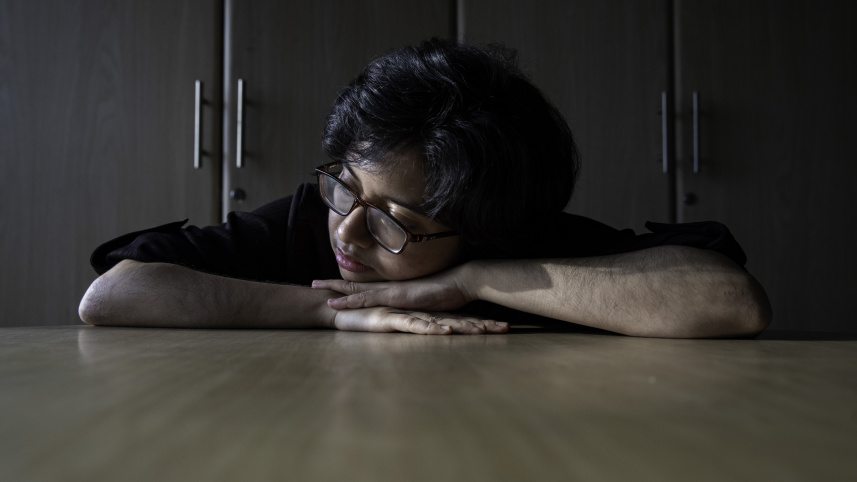
Sleep deprivation has become so ubiquitous nowadays among school-going teenagers that it has unfortunately become the new normal. A 2016 survey titled “How many hours do people sleep in Bangladesh?” found that 55 percent of school age children in Bangladesh get less than the recommended amount of sleep. Sleeping less than required has numerous hazards for the health and development of a teenager, besides the obvious adverse effects on academic performance.
As the detriments are clear as day, some tend to wonder why it is that teenagers don’t go and sleep for an adequate amount of time? Teenagers don’t get enough sleep not solely because they spend too much time on social media; it turns out school starting times also play a role.

Atiqur Rahman, the co-ordinator at the Dhaka Sleep Research Centre, explains, “As children enter adolescence, their internal clock – known as the circadian rhythm – naturally shifts later. This means that the sleep hormone (melatonin) does not start being released from their brains until 11 PM or even later.”
This phenomenon, he says, makes teenagers unable to fall asleep earlier at night. However, the time at which school starts stays the same, around 7 or 8 AM. Combined with their naturally later bedtimes, this often results in inadequate sleep. Some have to get up even earlier, accounting for the time it takes to get ready as well as commute, further piling on the issue.
“Simply put, we are forcing them to study early in the morning, going against their body's natural laws, which is basically setting them up for chronic sleep deprivation,” says Atiqur.
Nusayr Rahman Siddiqui, an AS level student at South Breeze School, explains, “Even when I don’t have any plans for the day, I find it difficult to fall asleep early due to my habits. Going to bed before 11 PM is a very rare occurrence indeed.”
“The only other way to get enough sleep while staying up and waking up early for classes is to take short naps during the day,” he adds. However, even that becomes a difficult task as some students have to attend coaching classes all through the week, some of which wrap up as late as 9 PM. This is in addition to the sheer number of extracurricular activities students are expected to participate in.
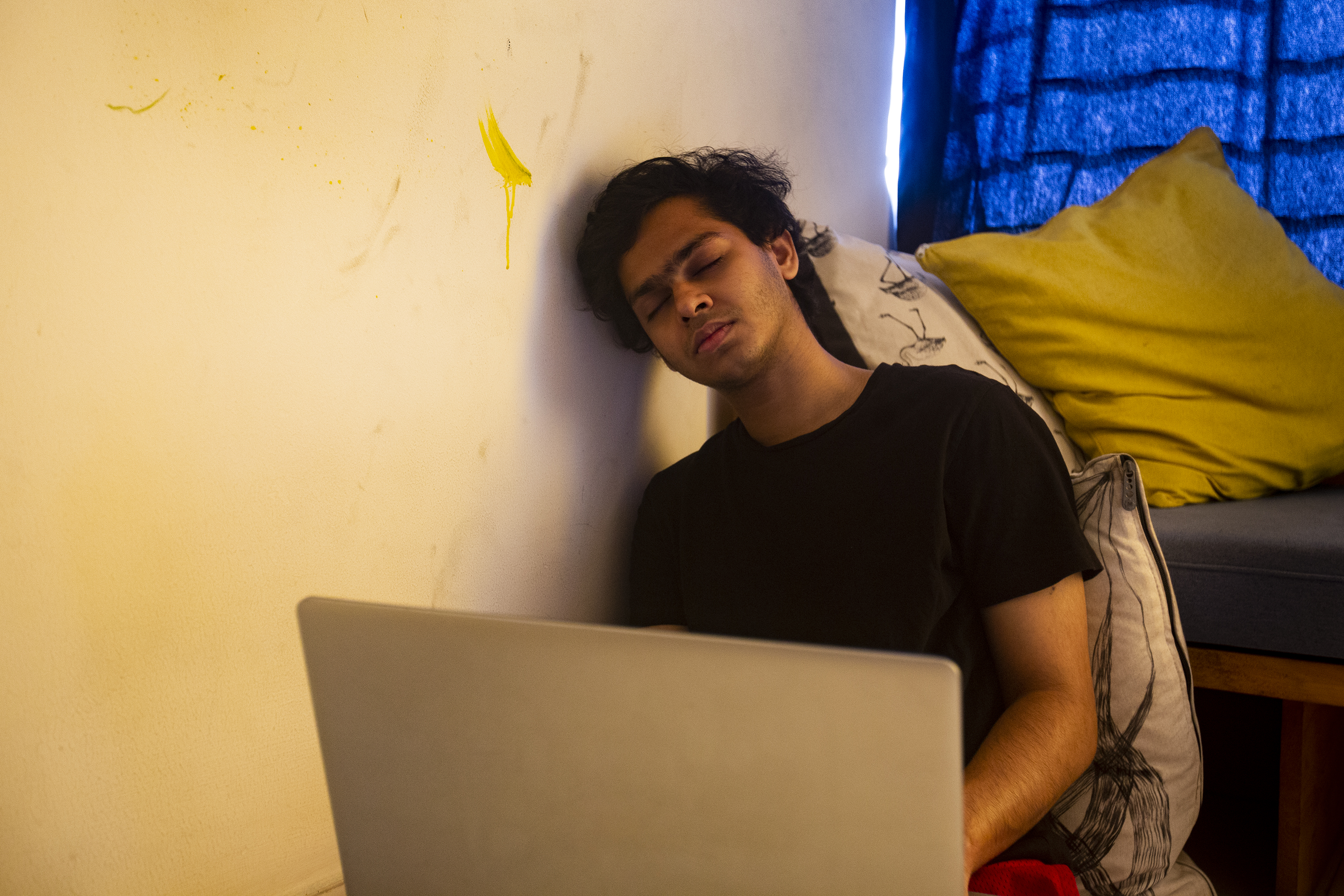
Tania Noor, who is studying for the SSC exam set for next year, concurs, “I usually sleep around 2 or 3 AM because of my academic pressure. Homework and pending syllabi are difficult to finish if I don’t invest extra time into it.”
One could, thus, make a case against factors like coaching culture, which appear to be exacerbating an already pressing issue. However, even if the issue surrounding coaching classes is rectified, the bigger problem persists: early school starting hours. Though daytime naps can offer a temporary relief from fatigue due to lack of sleep at night, it is a strategy that isn’t considered healthy or sustainable.
Atiqur explains, “A nap or day sleep can never be an alternative to a long night's sleep. This is not a sustainable solution. Research indicates that taking short naps during the day prevents the body from getting deep sleep, which does not provide real rest for our brain and body. A full night's sleep repairs body cells and consolidates memory, which is not possible during daytime sleep. Taking long naps during the day prevents us from falling asleep again quickly at night. This completely disrupts the body’s natural sleep-wake cycle.”
“In fact, if naps become a habit, the student's daily routine and study schedule become chaotic. Adequate sleep at night is the real key to everything,” he adds.
It is vital that schools take into account the sleep phase delay that teenagers undergo. Given that this is the reality, we might be hard-pressed to ask: is there a good enough reason for schools to start as early as 7 or 8 AM? Professional associations like the American Academy of Pediatrics recommend that schools shouldn’t start any earlier than 8:30 AM.
Nusayr says, “I think starting school later would help students like me get more sleep while also being able to concentrate better during class.”
It should be understood that sleep deprivation among teenagers is a complex issue, one that requires us to rethink how we have been doing things for a long time now. There are many aspects to consider, which include the likes of smartphone usage, coaching culture, and intense academic pressure from schools, which contribute to this problem. In the long-run, besides dealing with the issue of school starting hours, which undoubtedly is a major factor, other aspects of the issue must also be addressed and then dealt with for an effective remedy to this problem.
References
- ScienceDirect (2011). Recent worldwide sleep patterns and problems during adolescence: A review and meta-analysis of age, region, and sleep
- Wiley (2016). How many hours do people sleep in Bangladesh? A country-representative survey
- Amercian Academy of Pediatrics (2014). School Start Times for Adolescents
Ayaz is a contributing writer at Campus. Reach him at ayazkader710@gmail.com
 For all latest news, follow The Daily Star's Google News channel.
Comments