Will we learn from the Khan Jahan Ali crocodile tragedy?
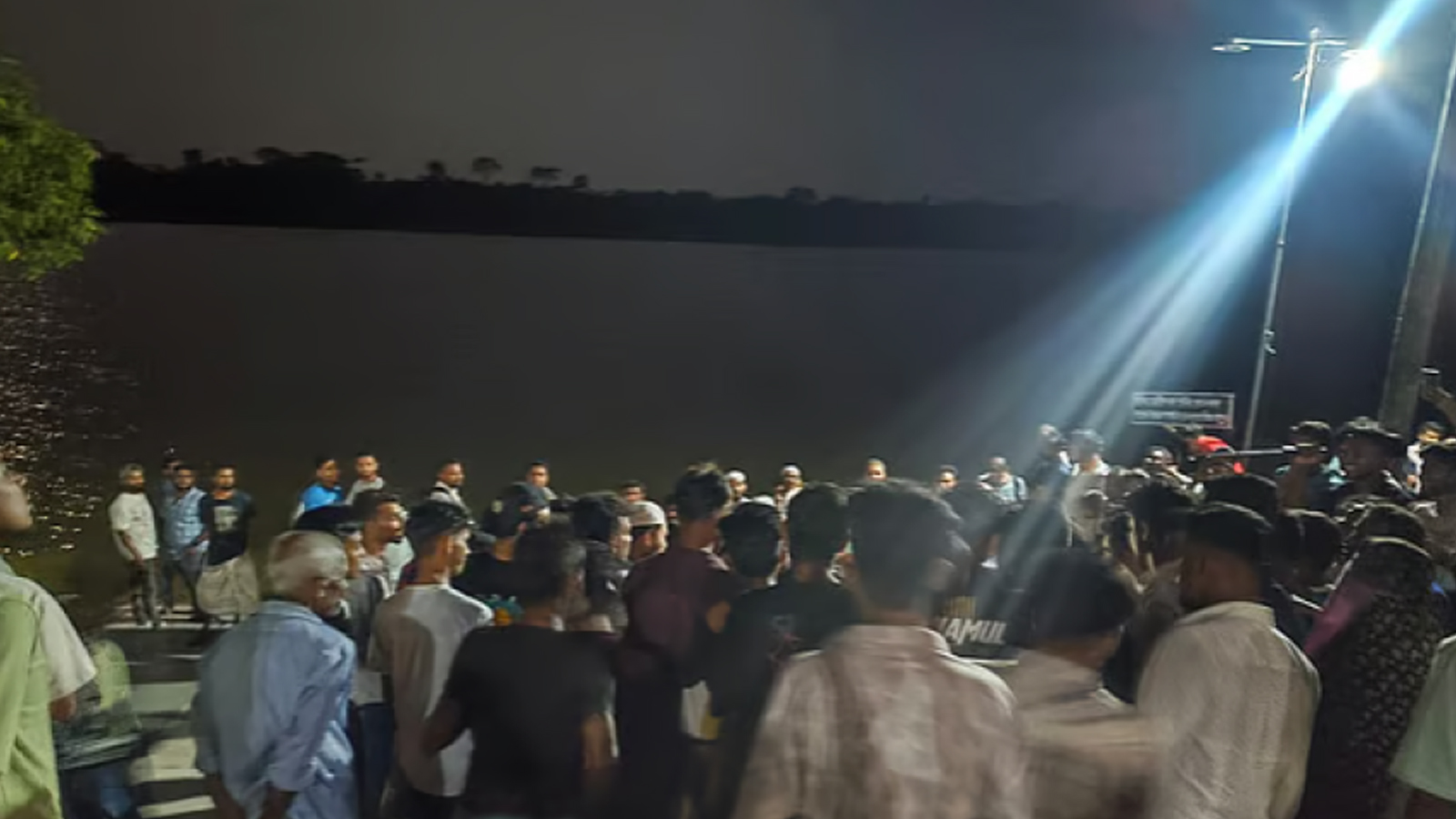
The tragic death of a young girl in a crocodile attack at the Khan Jahan Ali Shrine pond has shocked the country and sparked widespread public debate. While the immediate focus has understandably been on the incident itself, the tragedy raises much deeper questions about public safety, wildlife management, legal accountability and the long-standing practice of keeping dangerous wild animals in public spaces.
This is not merely a crocodile story. It is a story about preventable risks, institutional oversight, and the urgent need to modernise Bangladesh’s wildlife management systems.
Dangerous wild animals and public safety
Throughout the world, dangerous wild animals are strictly regulated because they possess the natural capacity to kill or seriously injure humans. This category includes large carnivores such as lions, tigers, leopards, jaguars, pumas, cheetahs, clouded leopards, wolves, bears, wild dogs, and hyenas. It also includes large herbivores capable of causing fatal injuries, including elephants, rhinoceroses, hippopotamuses, buffaloes, bison, giraffes, and antlered deer.
Some birds, too, can be dangerous. Ostriches, emus, cassowaries, large parrots, cockatoos, and birds of prey can inflict serious injuries. Among reptiles, crocodiles, alligators, caimans, gharials, large constrictor snakes such as pythons and anacondas, venomous snakes, snapping turtles, and certain aggressive fish species pose significant risks. Numerous venomous frogs, spiders, scorpions, and other invertebrates are similarly unsuitable for unrestricted public environments.
This is why reputable zoos and safari parks around the world maintain multiple layers of security. Animals are housed in secure enclosures, visitor access is carefully controlled, barriers are professionally designed, and trained personnel continuously monitor both animals and visitors. Even then, accidents can occur.
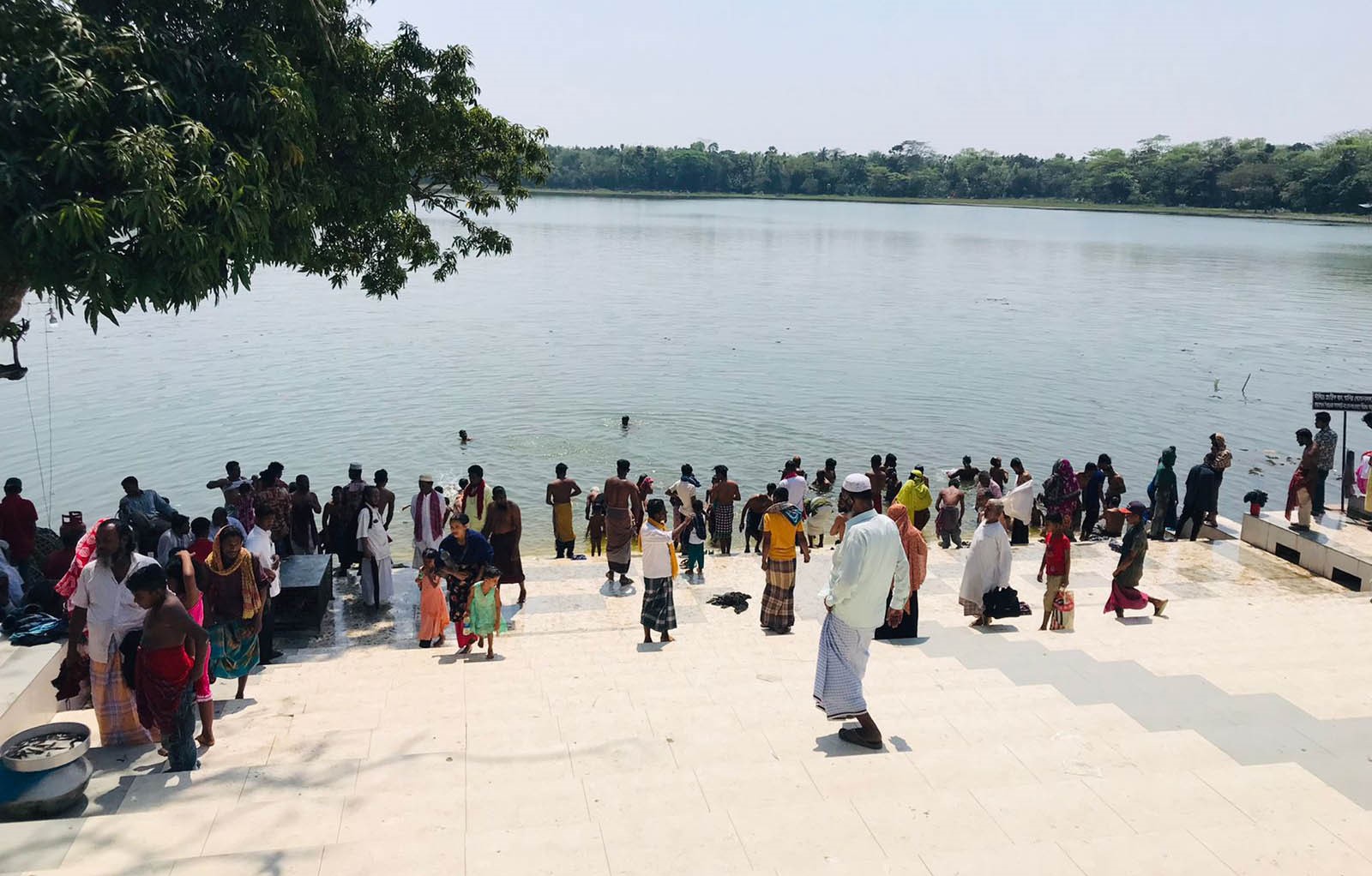
No accredited zoo would allow visitors to bathe, wash, fish, or conduct daily household activities in direct proximity to a free-ranging crocodile. Public safety standards simply do not permit such situations.
A predictable accident
The crocodile at the Khan Jahan Ali Shrine pond had reportedly been maintained there for many years. During that period, it became accustomed to receiving food from humans, including live poultry and, on at least one occasion, even a dog.
A crocodile that regularly receives live prey does not lose its predatory instincts. On the contrary, it reinforces them.
Over the years, the animal likely preyed upon fish, frogs, and other aquatic organisms inhabiting the pond. Large snakeheads, catfish, and other sizeable aquatic animals would have been natural targets. The only major prey item absent from its experience may have been a human being.
The unfortunate girl who lost her life appears to have become the first human victim. However, the attack itself should not be viewed as an unpredictable event. Rather, it represented a risk that existed from the day a large crocodile was permitted to remain in a pond routinely used by local residents and shrine visitors.
When a dangerous predator and unrestricted human activity share the same space, conflicts become a matter of time. The question is not whether an incident will occur, but when.
The failure of prevention
One of the most troubling aspects of this tragedy is that concerns over human safety do not appear to have received sufficient attention before a fatality occurred.
Government agencies, local administrations, law enforcement authorities, political leaders, shrine authorities, and wildlife regulators all carry responsibilities for public safety. The existence of a large crocodile in a public-use pond should have triggered risk assessments, safety audits and management decisions long before a child lost her life.
When a dangerous predator and unrestricted human activity share the same space, conflicts become a matter of time. The question is not whether an incident will occur, but when.
Bangladesh often responds forcefully after a disaster while investing too little in prevention. This reactive approach is visible in many sectors, from road safety and urban planning to environmental management and wildlife conservation.
The Khan Jahan Ali incident illustrates the cost of waiting until tragedy strikes before acting by responsible authorities.
The current response
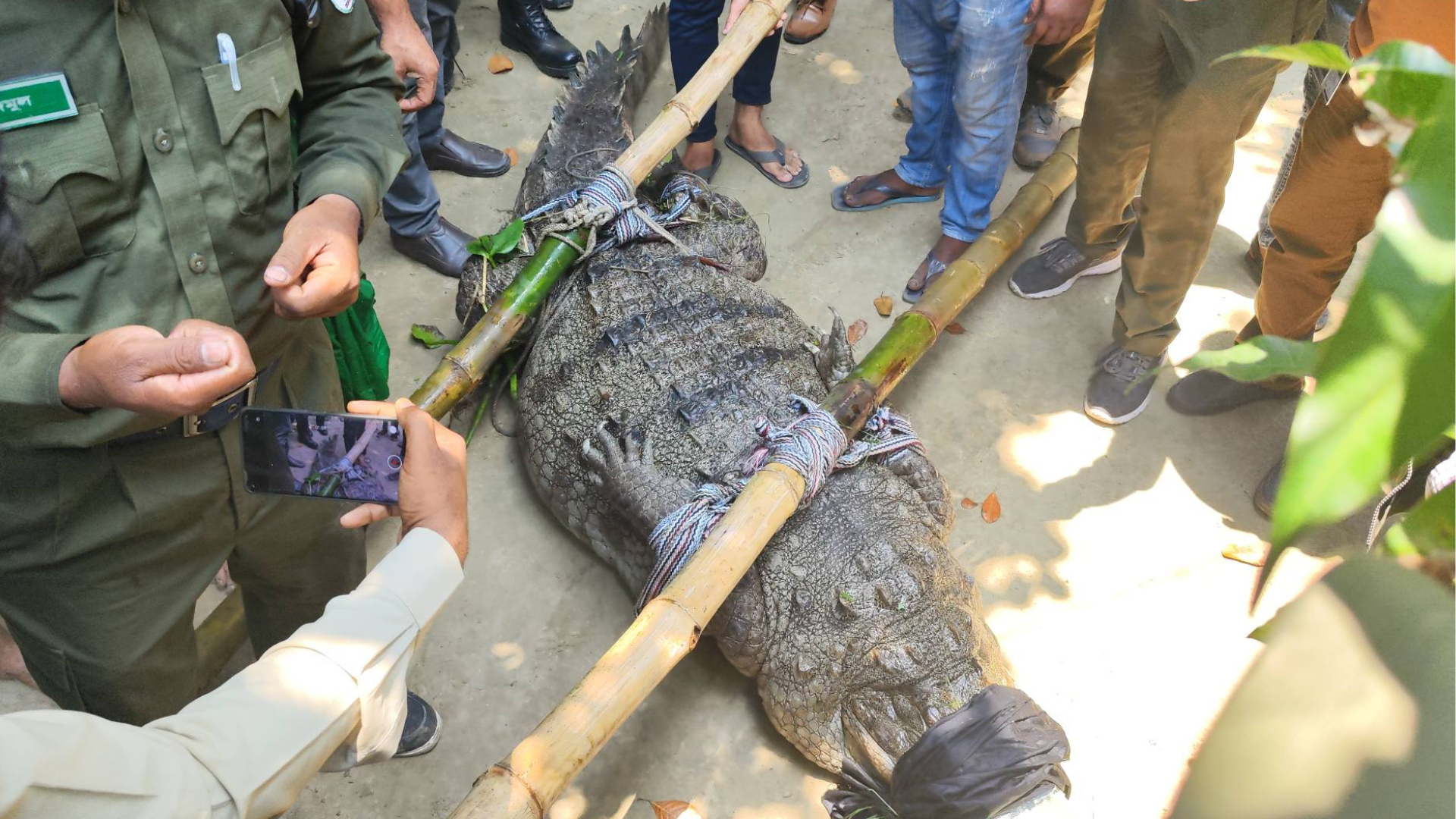
The Bangladesh Forest Department's decision to assess the crocodile's health and subsequently relocate it to a more suitable facility is a sensible first step.
Qualified veterinarians should thoroughly examine the crocodile's medical condition. If it is healthy and disease-free, it should be permanently transferred to a secure facility where it can be managed safely without posing a risk to the public.
Given its long history of human association and its demonstrated capacity to attack people, releasing or returning the crocodile to an unrestricted public environment would be inappropriate.
A dedicated enclosure, isolated from direct public interaction, would provide the safest long-term solution. The objective should be both public safety and animal welfare.
If veterinary examinations reveal severe disease, suffering or conditions incompatible with long-term welfare, humane euthanasia may need to be considered according to internationally accepted veterinary standards. Whatever decision is taken, public safety must remain the overriding priority.
Accountability and investigation
The tragedy also warrants a thorough investigation into the historical circumstances that allowed the crocodile to remain in the shrine pond.
Who authorised the keeping of the crocodile? Was any formal permit issued? Were wildlife laws and regulations followed? Were any safety assessments conducted before the animal was kept at the site? Did local residents raise earlier concerns? Did responsible authorities inspect the pond? Were recommendations from relevant agencies ignored or left unimplemented?
If no legal authorisation existed, those responsible should be identified and appropriate action considered. If regulatory agencies failed to enforce existing wildlife laws, institutional shortcomings should be acknowledged and corrected.
Transparency is essential to restoring public confidence.
An independent inquiry should also examine whether any financial incentives contributed to maintaining the crocodile as a tourist attraction. If economic interests influenced decisions that compromised public safety, that must be openly evaluated.
The wider national problem
The crocodile incident highlights a broader challenge facing Bangladesh.
Across the country, dangerous wildlife is often kept by private individuals, private organisations, religious institutions, entertainment facilities and unregulated collections. Some animals are displayed to attract visitors, while others are maintained as status symbols or curiosities.
Such practices create significant risks for both people and animals. Private facilities frequently lack qualified veterinarians, trained wildlife managers, modern enclosures, emergency response protocols, adequate animal welfare standards, and effective risk management systems. Consequently, the likelihood of escapes, injuries, disease transmission, and animal suffering increases substantially.
Bangladesh should adopt a national policy that prohibits the private exhibition or maintenance of dangerous wildlife in facilities lacking professional standards and governmental oversight. Animals already in such conditions should be gradually confiscated or transferred to approved facilities.
Building a modern wildlife rescue system
The country urgently needs a network of modern wildlife rescue and rehabilitation centres capable of safely and humanely housing confiscated animals.
Such centres should include:
- Wildlife management and public amenities facility.
- Rescued Animals reception facility.
- Veterinary hospitals.
- Quarantine facilities.
- Rescue response teams.
- Behavioural assessment units.
- Species-specific enclosures.
- Scientific record-keeping systems.
- Public education facilities.
A state-of-the-art national wildlife rescue centre could serve as the hub of this system, supported by regional facilities throughout the country. Such a network would reduce pressure on zoos while improving animal welfare and public safety.
Reforming Bangladesh's zoos and safari parks
The tragedy also highlights the need for broader reforms within Bangladesh's zoological institutions.
Modern zoos are no longer merely places where animals are displayed. Internationally, they function as centres for conservation, education, scientific research, and animal welfare.
The crocodile at the Khan Jahan Ali Shrine pond had reportedly been maintained there for many years. During that period, it became accustomed to receiving food from humans, including live poultry and, on at least one occasion, even a dog.
Bangladesh should gradually upgrade all government zoos and safari parks to standards set by leading zoological organisations, including the Association of Zoos and Aquariums, the World Association of Zoos and Aquariums, and the European Association of Zoos and Aquaria.
Key improvements should include:
- Modern enclosure design.
- Comprehensive veterinary care.
- Environmental enrichment programs.
- Professional keeper training.
- Scientific population management.
- Visitor safety systems.
- Emergency response planning.
- Conservation breeding initiatives.
- Independent welfare auditing.
Most importantly, these institutions should be managed by qualified wildlife professionals rather than administrative structures lacking specialised zoological expertise.
Establishing a scientific wildlife management authority
Bangladesh would benefit greatly from establishing an independent Scientific Wildlife Management Authority.
Such a body could provide expert oversight of:
- Zoos.
- Safari parks.
- Rescue centres.
- Wildlife rehabilitation facilities.
- Captive breeding programmes.
- Animal welfare standards.
- Dangerous animal regulations.
The Management Authority Membership should include wildlife biologists, conservationists, zoo professionals, veterinarians, legal experts, public safety specialists, and representatives from relevant government agencies.
Scientific management, rather than ad hoc decision-making, should guide the future of wildlife care in Bangladesh.
A tragedy that must lead to change
The death of a child is always heartbreaking. Yet the greatest tragedy would be if nothing meaningful changes as a result.
The Khan Jahan Ali crocodile incident should serve as a national turning point. It should prompt Bangladesh to reassess how dangerous wildlife is kept, displayed, regulated, and managed. It should inspire stronger laws, better enforcement, improved public safety, and higher standards of animal welfare.
Wild animals deserve proper care and respect. People deserve safety.
These objectives are not contradictory. In fact, they are inseparable.
A scientifically managed system protects both humans and wildlife. A poorly regulated system endangers both.
Bangladesh now has an opportunity to learn from this painful event and build a modern framework that prevents future tragedies while promoting responsible wildlife conservation.
The memory of the young girl who lost her life deserves nothing less.
Dr Reza Khan is a wildlife biologist and conservationist with over four decades of experience in wildlife research, zoo management, and biodiversity conservation in Bangladesh and the United Arab Emirates. He has worked extensively in wildlife rescue, sanctuary management, and community-based conservation initiatives.
Send your articles for Slow Reads to slowreads@thedailystar.net. Check out our submission guidelines for details.
From 'wasteland' to Bhasanchar: Bangladesh’s ongoing experiment in governing uncertain land
Why Bangladesh's schools need financial autonomy
What the water knows: The unmaking of Bangladesh's haors
Who writes the history of the July Uprising?
How violence against women is normalised in Bangladesh's chars
Why Bangladesh must invest in community-led early childhood education

The moral architecture of Bangladesh’s parliament

Why Bangladesh innovates but rarely builds global companies
Beyond groundwater: Rethinking Barind's water crisis