APO 433: Dhaka’s forgotten post office of World War II

During the Second World War, Dhaka, then part of British India, served as a vital node in a vast global military communications network. American soldiers stationed in Dhaka relied on a carefully coordinated postal system to remain connected to their families thousands of miles away. These handwritten letters travelled across oceans and war zones through an intricate collaboration between civilian postal services, military mail units and specially designated Army Post Offices (APOs).
Hidden behind coded APO numbers, letters moved through multiple layers of sorting, censorship and security designed to prevent the disclosure of sensitive military information while ensuring delivery to the correct recipient. Temporary field post offices in Dhaka’s Kurmitola and Tejgaon areas processed this wartime correspondence, linking the city directly to mail-processing centres in the United States, particularly in New York. In this often-overlooked aspect of the Second World War, Dhaka played a crucial role in a global wartime postal network.
During the war, as mail was exchanged between civilian areas and battlefields, the civilian postal service and the military mail service had to create an effective system of coordination. As a result, the civilian mail service handled the processing of mail within the United States, while the military mail service carried out mail processing outside the US and in areas of military operations. The activities and procedures of these two mail services were coordinated through a “Special Mail Processing Centre”, which was located in the United States.
During wartime, the military mail service created ‘Field Post Offices’ to serve US soldiers stationed in areas of military operations. These were called “Army Post Offices”, or “APOs” for short, and every APO was assigned its own designated number or identification code. Behind these numbers, the actual location of the ‘field post office’, and therefore the location where the military personnel were stationed, was deliberately concealed.
However, after the war ended, there was no longer the same risk associated with revealing the locations of these ‘field post offices’. Once hostilities ceased, the need to conceal their locations disappeared, and the APO numbers no longer held the same strategic importance. As a result, there was no longer any harm in revealing the locations associated with these APOs.
First, let us examine how, during the Second World War, friends and family sent letters from home—that is, from the United States—to soldiers stationed in Dhaka, and what they would write on the envelope. Certain details were mandatory. The sender would write the APO identification number on the envelope, followed by “In care of (C/O) the Postmaster”. This meant that they were giving written instructions for the letter to be sent into the custody of the postmaster at the designated mail-processing centre. This was necessary because even the relatives and friends of soldiers were not allowed to know exactly where, or in which area of military operations, their loved ones were stationed.
Once written, the letters would be taken to any local civilian post office or dropped into a public letter box. The local post offices would then collect the envelopes marked with APO and C/O and forward them to the central “mail processing centre”.
At this centre, the letters were sorted according to their military destinations and then transferred to the “Military Mail Service”. The military mail service would examine the APO numbers and forward the letters to the appropriate APO in the relevant area of military operations.
At this centre, the letters were sorted according to their military destinations and then transferred to the “Military Mail Service”. The military mail service would examine the APO numbers and forward the letters to the appropriate APO in the relevant area of military operations. Finally, once the mail arrived at the APO, the letters were sorted according to the soldiers’ names and units and then delivered directly to them.
From the Numerical Listing of APOs (January 1942–November 1947), prepared by the Army Postal Service and Strength Accounting Branches of the AGO, and from Nayeem Hoq’s book Dhaka During World War II, we learn that APO 433 was located in Dhaka during the Second World War. Nayeem Hoq collected several envelopes sent from APO 433 and documented how this postal process was carried out in practice.
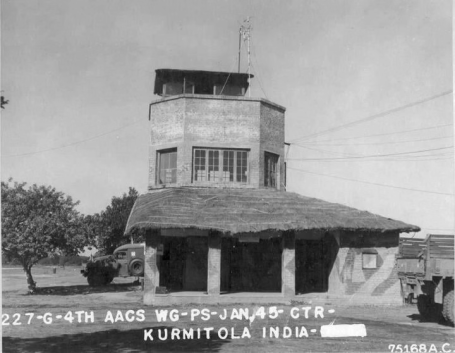
Now let us examine, step by step, the process soldiers had to follow to send a letter from their military base to their home country. The letters that soldiers wrote and sent were first ‘censored’ at their respective bases. The purpose of this censorship was to check whether the letters contained any sensitive or secret information related to the war—for example, details about troop movements, hiding places or the exact locations of bunkers and military installations. After censorship, the APO would send the letters to the Military Mail Service. The Military Mail Service would then forward the letters to the mail processing centre located in the United States for further processing. There, after sorting, the letters would be handed over to the civilian postal service. The civilian postal service would then send the letters to the appropriate local post office according to the recipient’s address, and the local post office would finally deliver them to the recipient’s home.
The envelopes carried a post office mark or seal in the top right-hand corner. This mark contained the Army Post Office or APO number, along with the date on which the letter was sent.
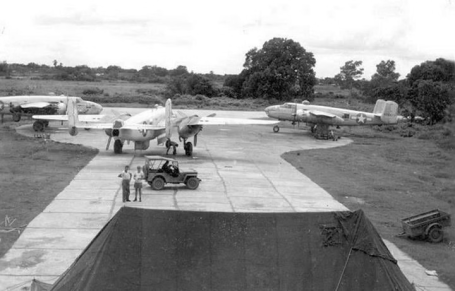
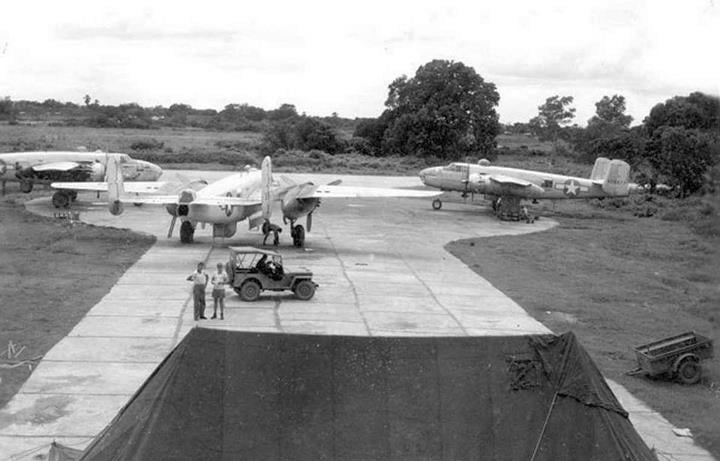
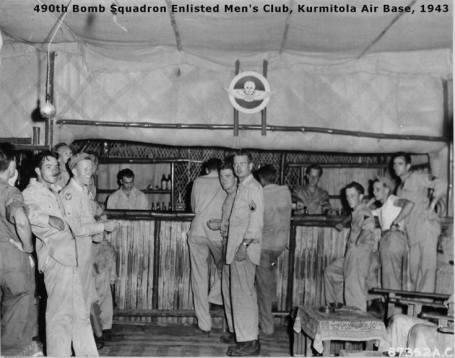
Let us now focus specifically on APO 433. This APO was located at Dhaka’s Kurmitola base from October 1943 to November 1944, and during this period it served the US Army by processing and delivering soldiers’ letters. Later, the APO was moved to Dhaka’s Tejgaon area and remained active there until April 1946. APO 433 served US soldiers stationed in Dhaka and was administratively associated with a ‘mail processing centre’ located in New York City.
In addition to the post office mark or seal, the postage paid for the letter was also indicated on the right-hand side of the envelope. During the Second World War, the United States Congress introduced free postage for eligible mail sent by US military personnel. Soldiers could send such letters free of charge by writing the word “Free” in the upper right-hand corner of the envelope, indicating that no postage was required. The war also saw the introduction of Victory Mail, commonly known as V-mail, a system designed to reduce the enormous volume of physical mail being transported overseas. However, some letters carried six-cent stamps as postage. This six-cent fee covered airmail service and allowed letters to be delivered more quickly. Free mail was generally transported by surface routes, including by ship, and therefore took significantly longer to reach its destination.
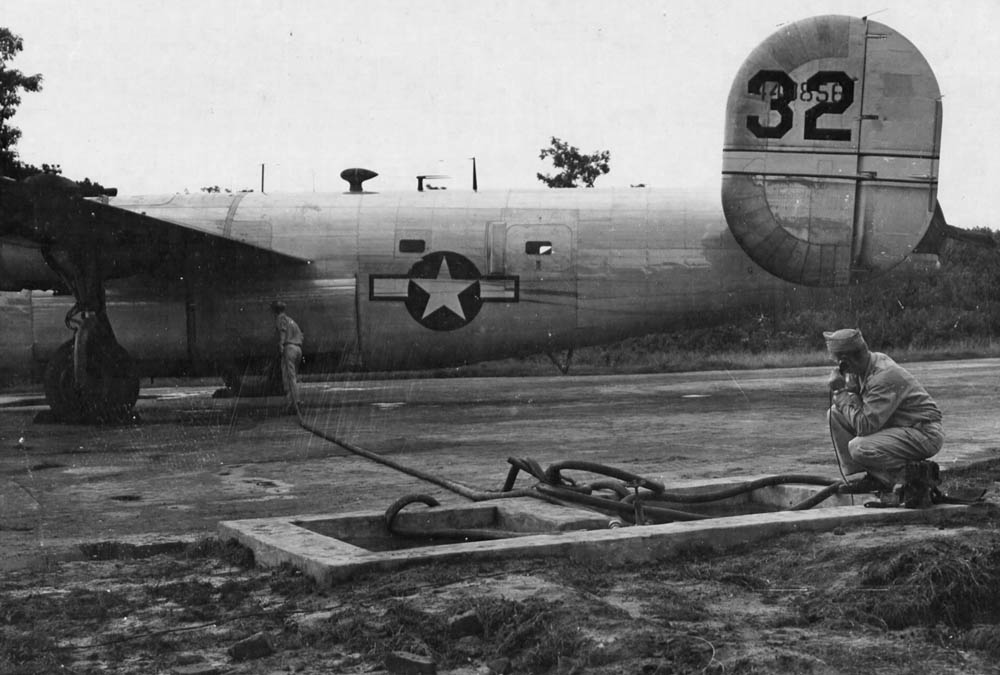
According to Nayeem Hoq, it normally took between three and six weeks for a letter to be delivered from the United States to Dhaka during that period. However, exactly how long it took for a letter to travel from Dhaka to the United States is not known. Hoq attempted to find this information but was unable to determine an exact time frame.
The sender’s address was written at the top of the envelope. This address clearly stated the sender’s military rank, name, military identification number and the unit with which he was associated. Also included was the phrase “in care of the Postmaster of the New York Post Office”, indicating that responsibility for processing letters associated with APO 433 rested with the New York post office.
The sender’s address was written at the top of the envelope. This address clearly stated the sender’s military rank, name, military identification number and the unit with which he was associated. Also included was the phrase “in care of the Postmaster of the New York Post Office”, indicating that responsibility for processing letters associated with APO 433 rested with the New York post office.
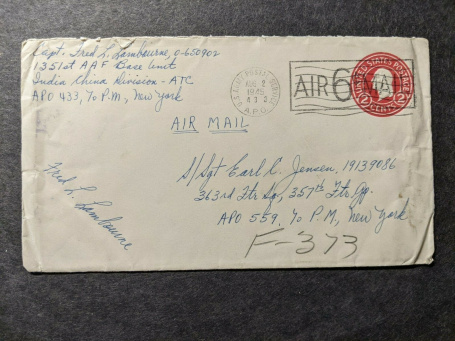
In the lower left-hand corner of the envelope, there would typically be a censorship seal. Normally, letters written by enlisted soldiers were censored by an officer in the soldier’s unit. After reading the letter, if the officer was satisfied that it contained no sensitive information, he would apply the censorship seal. Sometimes, along with the censorship seal, the officer’s name and an official stamp or handwritten signature were also added. In cases where an officer himself was the sender of the letter, there was no separate censorship seal, as he could personally censor and sign the letter.
Today, little remains in Kurmitola or Tejgaon to suggest that these places were once part of a wartime postal network stretching across continents. Yet surviving envelopes bearing the number APO 433 preserve this forgotten history, revealing how Dhaka became a small but vital link connecting American soldiers with families thousands of miles away during the Second World War.
Ystiaque Ahmed is a journalist at The Daily Star.
Send your articles for Slow Reads to slowreads@thedailystar.net. Check out our submission guidelines for details.
Dadabhai Naoroji: The man who exposed the economics of British colonialism
Untold stories of 1971 through private letters
The extraordinary journey of Atish Dipankar Srigyan

Forgotten story of Jeanette Van Tassel, the American woman who flew over Dhaka in 1892
Beyond 1947 / A personal essay
Abul Mansur Ahmad / A global quest in search of a nation

Chand Bibi and the forgotten history of Muslim women’s political resistance
Women’s voices in Nazrul’s Dhumketu
How Milad-un-Nabi shaped Muslim cultural life in colonial Bengal