What a 17th-century merchant's autobiography reveals about Mughal governance

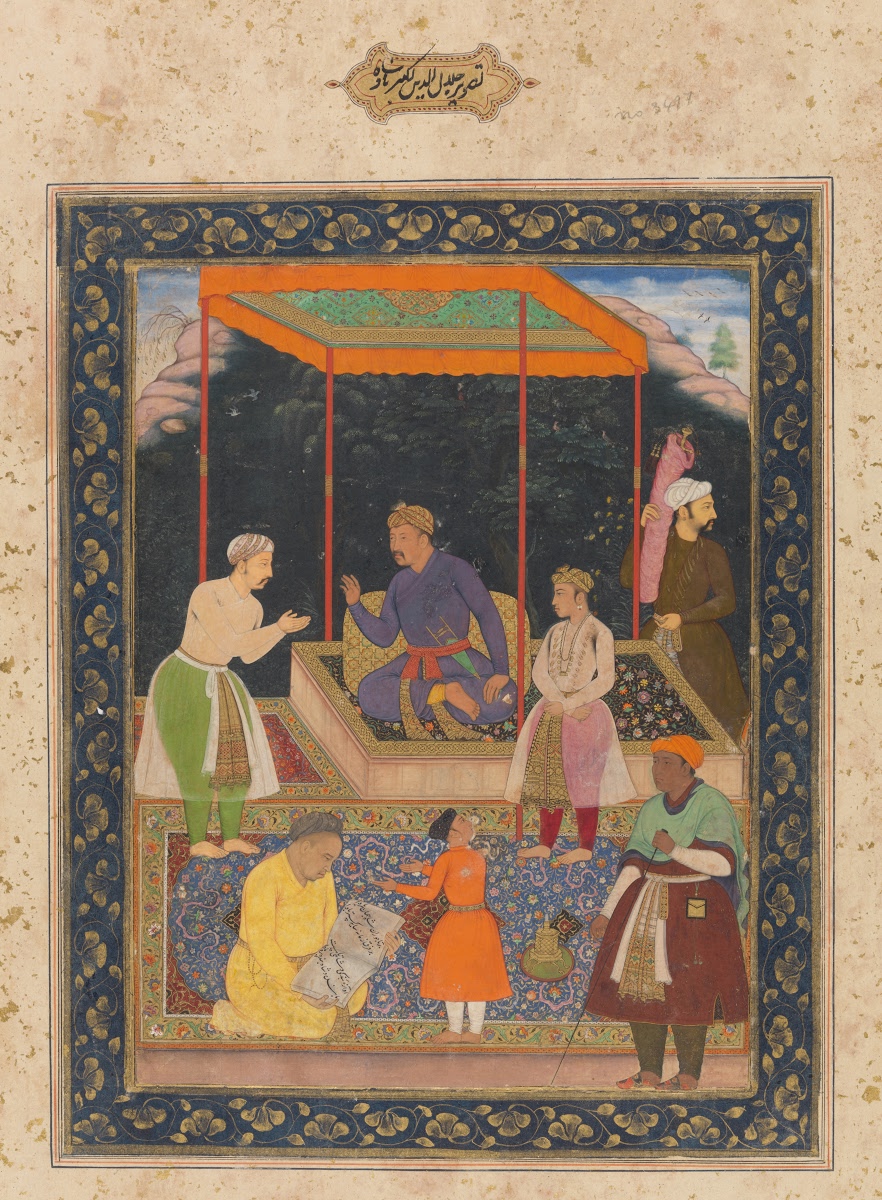
In an age in which the subcontinent seems increasingly obsessed with religious identity and privilege, the voice of a merchant from 1641 offers a bracing reminder that things were not always so. Banarasidas, a Shrimal Jain who lived from 1586 to 1643, could not have known that his modest poetic autobiography would one day serve as a crucial corrective to some of the most persistent myths about the Mughal Empire, which once spanned what are today India, Pakistan and Bangladesh. Written in Braj Bhasha in 1641 and titled Ardhakathanak, or Half a Tale, this work stands as the first autobiography by a commoner in an Indian language. While official chronicles narrate history from the ramparts of the Red Fort, Banarasidas offers a view from the bazaar and the merchant household.
As the Indian subcontinent completes over five centuries since the establishment of the Mughal dynasty, a concerted effort has been made in certain quarters to discredit the Mughals as uniquely communal rulers who systematically suppressed Hindus. A dispassionate reading of the Ardhakathanak does not support this charge. Instead, it reveals a complex premodern society in which state-subject relations were defined by local bureaucracy, economic interests and personal loyalties rather than religious bigotry.
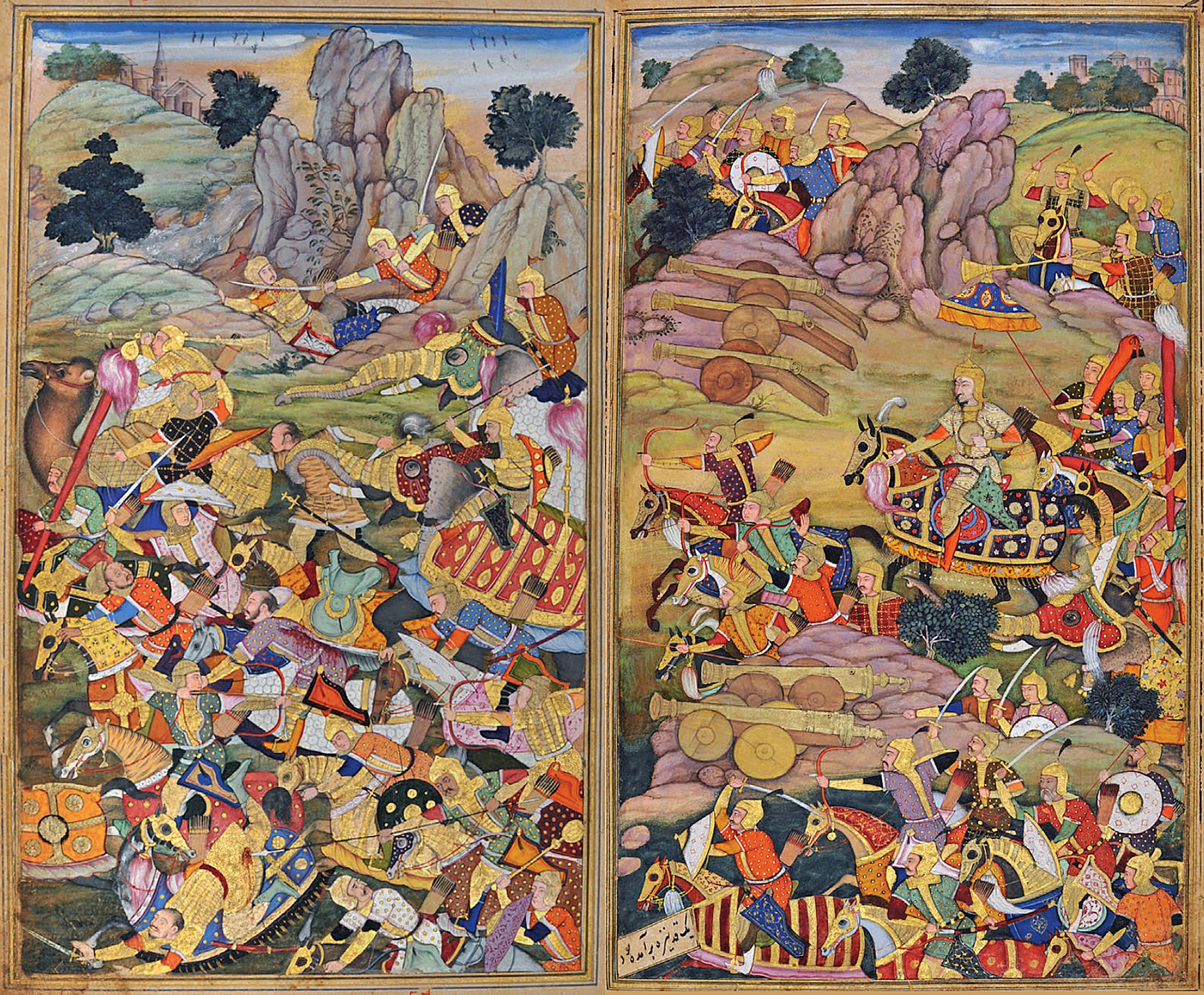
The most vivid testimony Banarasidas provides concerns the terrifying fragility of political order. When Emperor Akbar died in 1605, the merchant records a society that did not erupt in communal violence but collapsed into paralysing anarchy. He writes, "ghar ghar dar dar kiye kapaat, hatavaanee nahin baithe haat", meaning that the doors of every house were closed and merchants stopped sitting in their shops. The wealthy buried their finery underground, donned coarse blankets to disguise their status and armed themselves. He records that one could not recognise a person's status; the rich and the poor looked alike.
Such was the shock that Banarasidas himself fainted, falling and cutting his head open on the stone floor. He recounts that the news came as a sharp and sudden blow, making him shake with violent agitation. This description complicates both the narrative of Akbar as a secular ruler and that of Akbar as a destroyer of Hindu temples. For this Jain merchant, Akbar's death created a vacuum that threatened the very existence of the commercial class. It was not the emperor's religion that mattered but his role as the guarantor of predictable order. When Jahangir died years later, Banarasidas mentions it without emotion, suggesting that popular loyalty was personal and conditional.
The Ardhakathanak reveals a fractured bureaucracy rather than a monolithic theocratic machine. Banarasidas constantly distinguishes between the distant emperor and the local officials who actually affected his life. In one incident, Nawab Qilij Khan, the governor of Jaunpur, arrested all the jewellers in the city, many of whom were Hindus and Jains, and demanded an extortionate sum. When they could not pay, he ordered them to be lined up and flogged. The jewellers held a collective meeting and fled the city, returning only months later after the governor had left. Banarasidas does not frame this as a Muslim persecuting Hindus but as a classic problem of local predation. The merchant's solution was mobility and financial resilience, not religious resistance.
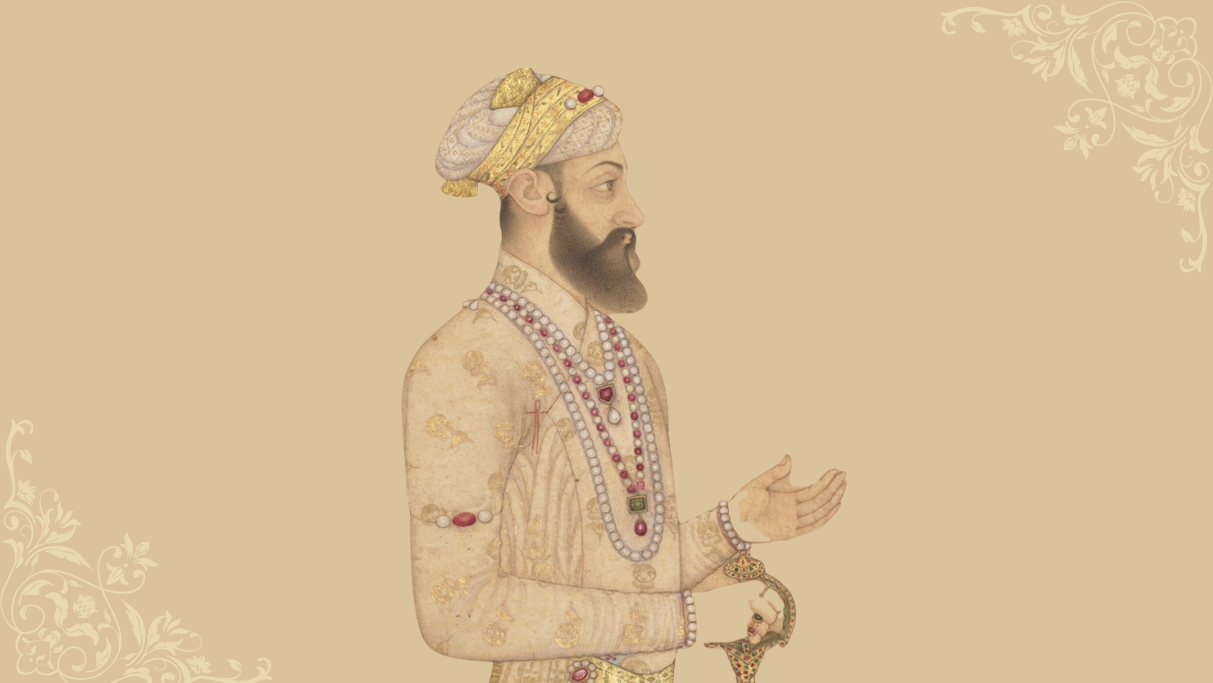
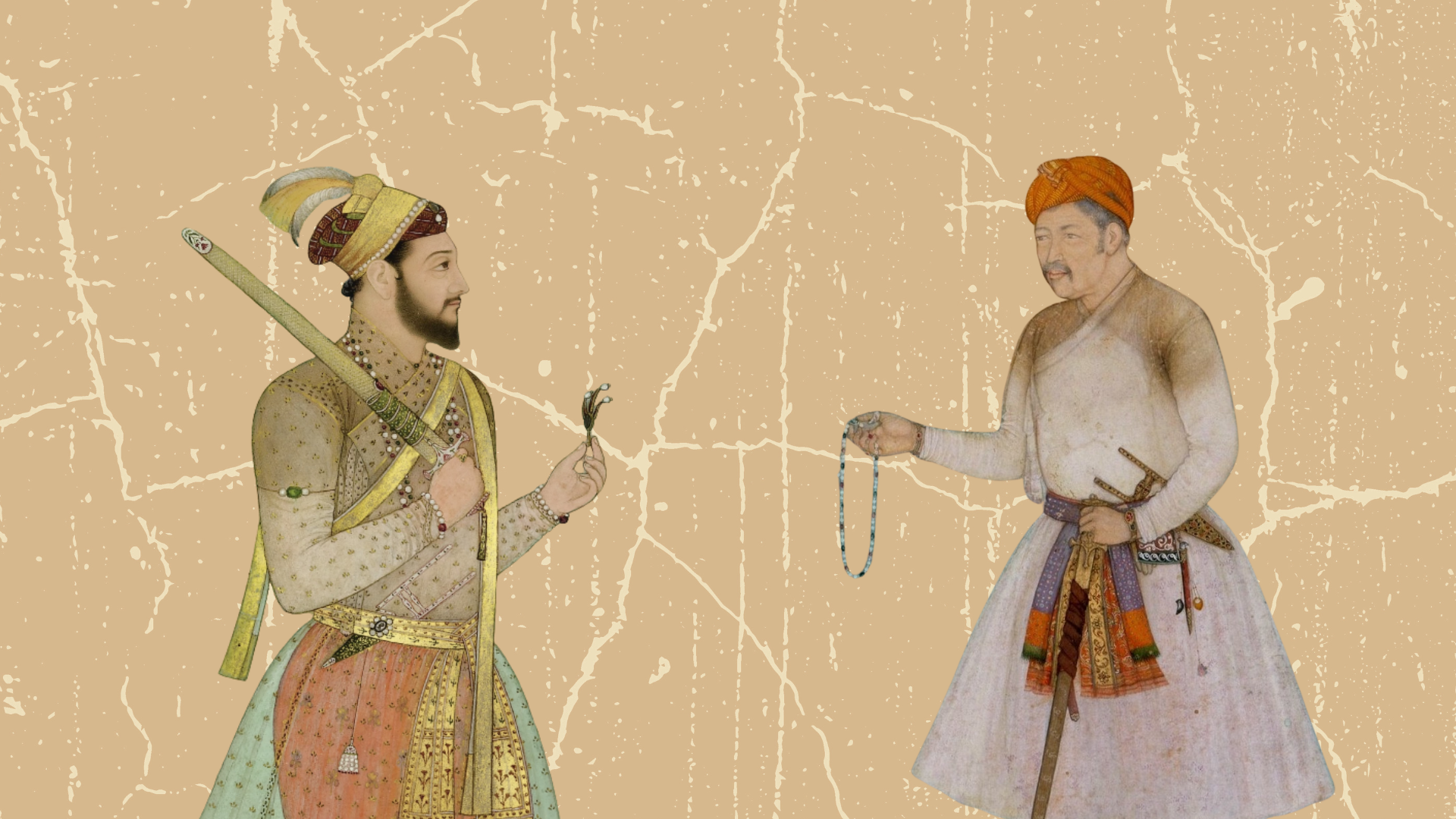
The merchant also reveals a pragmatic proximity to power. He helped a Mughal noble read Jain texts in Sanskrit, demonstrating a cultural permeability that defies communal stereotypes. At different times, he was a friend of the Nawab of Jaunpur and, at others, persecuted by him. He reportedly played chess with Emperor Shah Jahan, suggesting fluid social interactions at court, where merit and personality, not just religion, determined access.
For this Jain merchant, Akbar's death created a vacuum that threatened the very existence of the commercial class. It was not the emperor's religion that mattered but his role as the guarantor of predictable order.
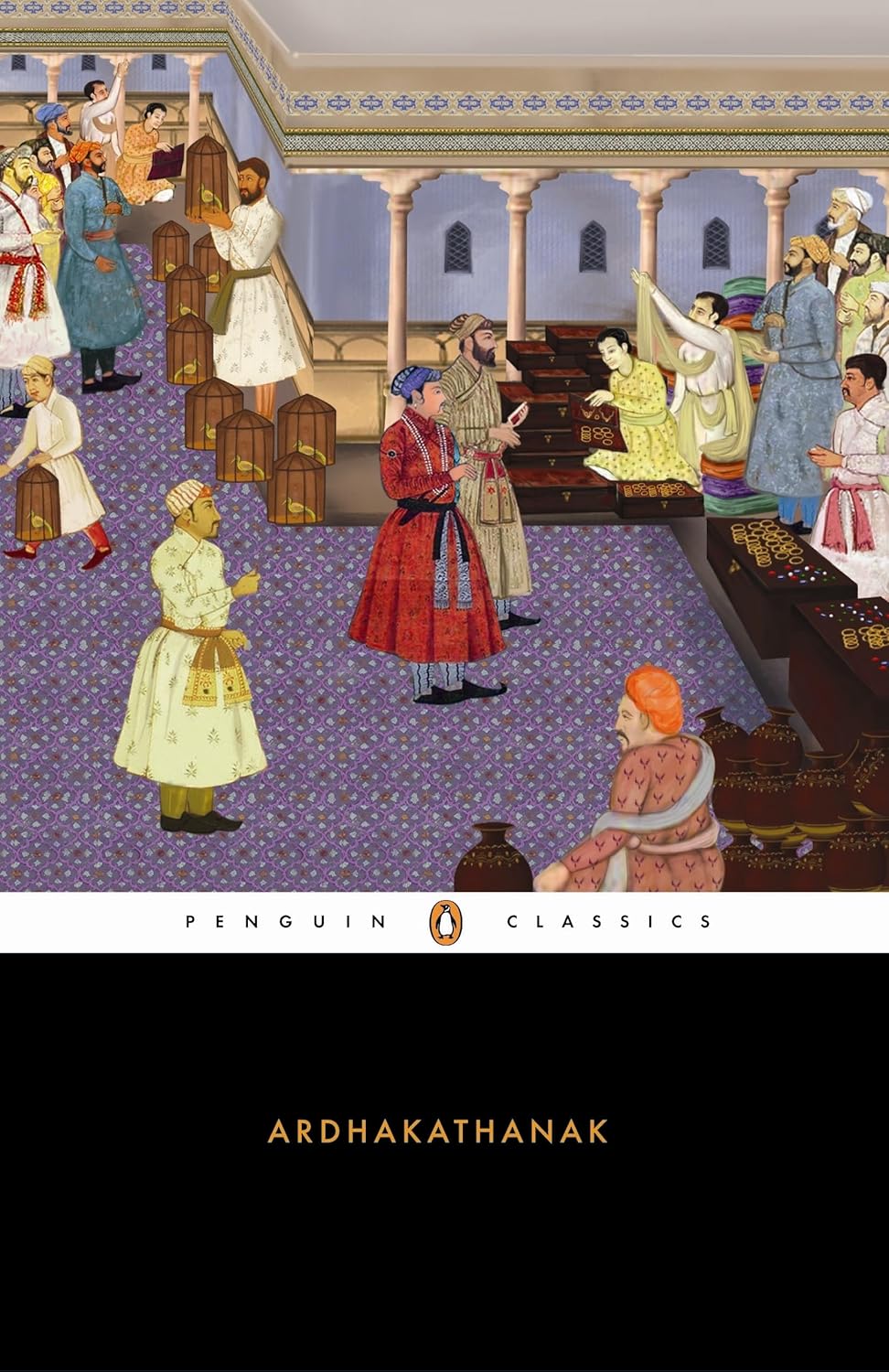
Banarasidas's account highlights a robust economic ecosystem in which trust was commercial and communitarian, not religious. He details a sophisticated system of hundis, or promissory notes, for the cashless transfer of wealth across the empire. He speaks of strict business ethics and the importance of family networks. The Mughal bureaucracy was not exclusively Muslim; Banarasidas's father served under a diwan who was a fellow Shrimal Jain named Rai Dhana. This intermingling of elites suggests an empire functioning on shared class interests rather than a rigid Hindu-Muslim binary.
Banarasidas also writes about the intimate pressures of his own life, caught between the expectations of his caste and the longings of his heart. His elders admonished him: too much learning behoves a Brahman or a bard; a merchant's son has to sit in the bazaar. He was not a very good businessman, making poor decisions and incurring losses, and was, at one point, bailed out by his wife, who gave him twenty coins from her dowry. He wrote frankly about youthful passions and contracting syphilis. In a line revealing his ambition, he wrote that all he had heard and seen, he would tell in his own words. He was writing for posterity, for all who might read his story.
The completion of over five centuries since the Mughals established their rule has coincided with historical revisionism portraying the period as a dark age of Hindu subjugation. Banarasidas, a Jain who wore the sacred thread and practised strict vegetarianism, did not live in constant fear of state-sponsored conversion or temple destruction. He lived in fear of tax collectors, uncertain succession and dishonest business partners. When state officials confiscated his money or mice chewed through his pyjama strings, he recorded these as economic tragedies, not theological persecutions. The real story of the Mughal era, as seen through this Half a Tale, is one of remarkable merchant resilience, a syncretic culture in which a Jain could help a Muslim noble with Sanskrit texts, and a political system driven by revenue extraction and power consolidation, not religious genocide.
The Ardhakathanak proves that the people of Hindustan had a sophisticated, critical and non-communal view of their rulers. When Banarasidas fainted at Akbar's death, he was mourning the guarantor of a world he understood. When he fled a tyrannical governor, he was fleeing a bad administrator. When his elders told him to stop studying, they were speaking as merchants. This is the human reality that political polemic cannot accommodate.
By recovering voices like Banarasidas's, we insist on complexity. The average Jain or Hindu merchant had more in common with the average Muslim peasant, who also suffered under a tyrannical faujdar or rejoiced at a stable harvest, than with the court historiography that pits them against each other. In an age in which history is weaponised to divide, the candid voice of a merchant from 1641 reminds us that the past, like the present, was far too messy for the neat cages of communal identity. The Ardhakathanak stands as a quiet but definitive refutation of the claim that the Mughal period was a dark age of Hindu subjugation, telling us that the truth of the Mughals lies not in the accounts of court historians or modern ideologues, but in the lived experience of a man who simply wanted to tell his own story. Such texts are a vital reminder that the subcontinent, which today seems consumed by questions of religious identity and privilege, was once a place where a Jain merchant could navigate the Mughal court, befriend Muslim nobles, and record his life without once framing his experiences through the lens of communal persecution. That alone is a lesson worth heeding.
Syed Ali Nadeem Rezavi is a historian, author and professor at Aligarh Muslim University.
Send your articles for Slow Reads to slowreads@thedailystar.net. Check out our submission guidelines for details.

The blind spots of Bangladesh studies

Rediscovering Santal history through Scandinavian archives
Asma Abbasi: The essence of orange
Tigers and the empire: A history of hunting, power and resistance
25th Death Anniversary / A life so full: Remembering Ahmed Sofa
Bengal's forgotten slave trade: Portuguese, Arakanese and Dutch trafficking networks
Mufazzal Haider Chaudhury and the idea of Bangladesh
The Tagore paradox: Why critique strengthens his legacy
What Sufism can teach us about the modern world