The politics of fear: From Gaza's paper kites to ‘unsafe’ on campuses

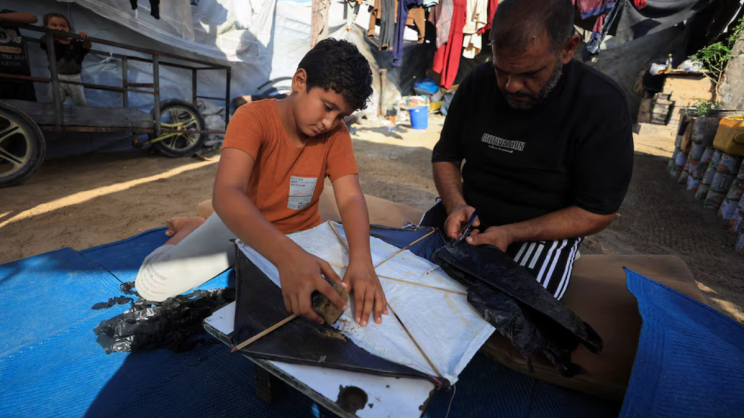
I recall my childhood growing up in the Palestinian refugee camp of Nahr el Bared in Lebanon. We were creative in devising seasonal games that didn't require much money: one season playing football, another playing hide-and-seek, swimming and fishing in the Mediterranean, and so on. My favourite was summer kite-making. We made kites from plastic or paper collected from the dump; the frames were made from dry bamboo sticks tied or glued together with discarded electrical or metal wires. The only real cost was the line; if we weren't lucky enough to find fishing line or a sewing spool in the dump, we had to buy it. I could never have imagined that my cheapest and favourite childhood toy could one day be labelled “Armed Activity.”
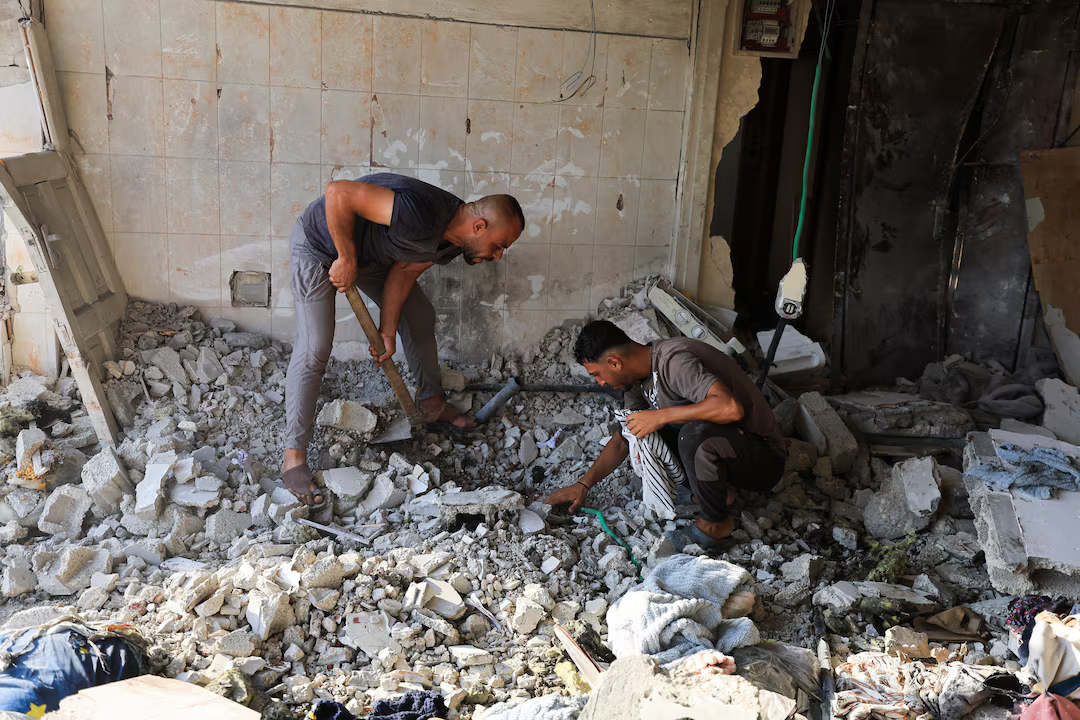
On August 23, Prime Minister Benjamin Netanyahu and War Minister Israel Katz ordered the children of Gaza to stop flying their paper kites or face death. These are toys made by young boys and girls in a strip of land where there is little else left to do. The psychological torment inflicted on these children is yet another layer of Israel's terror. Local neighbourhood committees urged parents to stop their children from making or flying kites. A mother said her children fly kites every summer to entertain themselves, but she will not allow them to do so anymore. A child's joy in Gaza is dangerous because it is a distraction from submission. Ordinary happiness, in a place that is supposed to have none, becomes an existential threat to Israel.
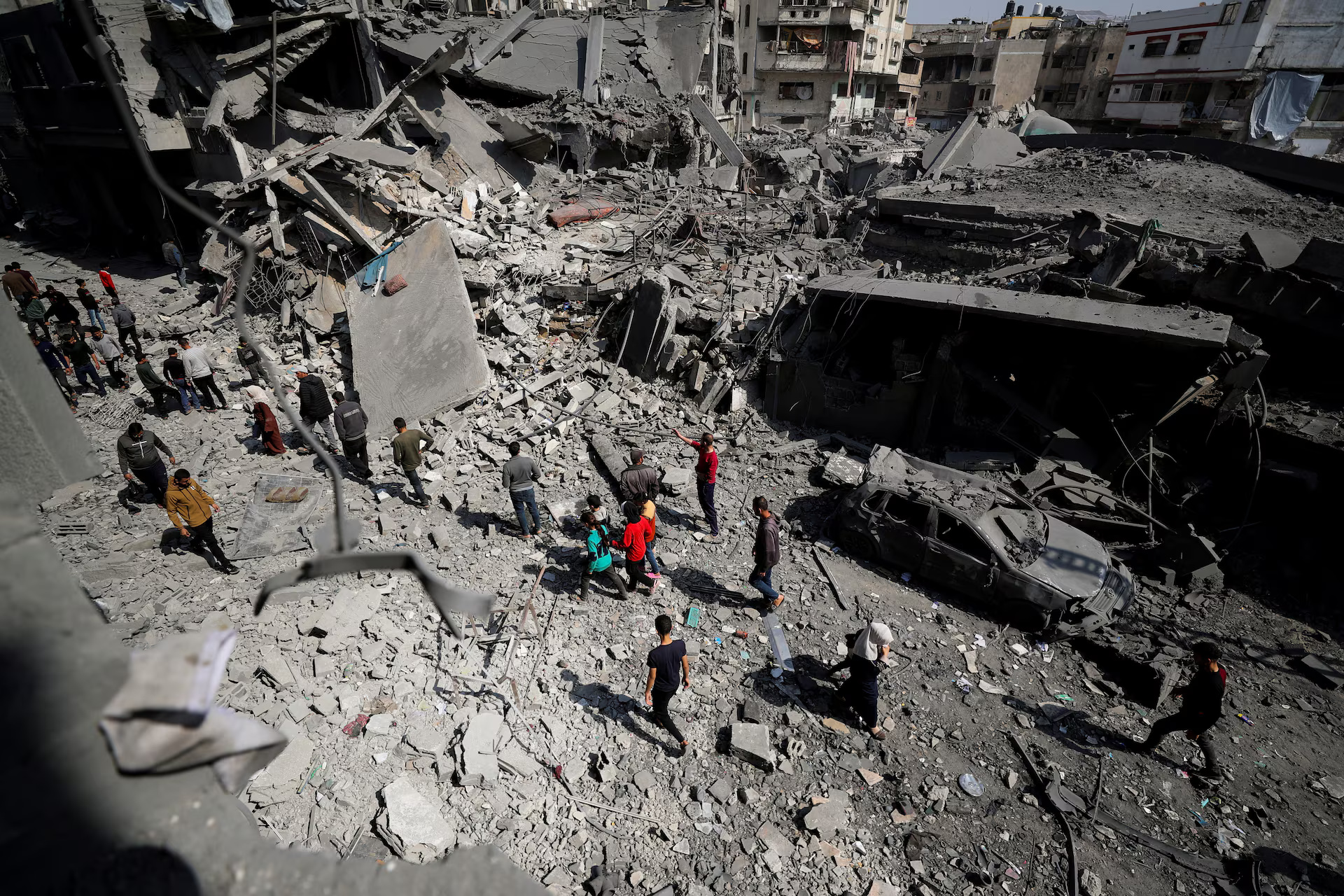
Yet there was a precedent for banning a child's kite: the Taliban banned kite-flying in Afghanistan in the mid-1990s. Now, it is the Israeli “Jewish-Taliban.”
The kite panic is not the only Zionist concoction. It is the latest entry in a litany of manufactured threats used to censor free speech throughout the world. Look at American campuses. A poll of nearly a thousand US Middle East scholars, conducted by researchers at the University of Maryland and George Washington University, found that a large majority self-censor when discussing the Israeli-Palestinian conflict, and that most said the driver was fear: fear of career consequences, of being cancelled, of being reported to administrators. This is the product of a coordinated intimidation campaign that portrays criticism of a foreign government's policies as bigotry against a religious or ethnic group.
Fear is not a diagnosis; it is an excuse. A racist white man claiming to feel “unsafe” watching Black Americans march against racism is not absolved because his fear is sincere. Racism does not become legitimate simply because the racist experiences it as fear; it remains racism, dressed in the language of injury. Fear detached from evidence is not a symptom of danger. It is a symptom of ignorance.
In 2024, when American students protested Israel's genocide in Gaza, Zionist groups had no answer for the facts on the ground; they reached for guilt and blackmail. Jewish students, they said, felt “unsafe” on their own campuses. Unsafe from what, exactly, was never specified. Not a threat. A feeling. An undefined fear no medical doctor could diagnose, no evidence could substantiate. Feelings are not facts and, unlike facts, cannot be cross-examined. That is precisely why the ADL et al. chose them. When they fail to win the argument, they abandon the facts and exploit the jury's sympathy instead.
The 2024 UCLA student encampment tells the same story. Just before 11 pm on April 30, a Zionist mob of at least a hundred masked men stormed a peaceful Gaza solidarity encampment on Dickson Plaza, blasting recordings of screaming babies from loudspeakers, shining strobe lights, spraying irritant gas and launching firecrackers into sleeping tents. The unarmed university guards moved aside and hid inside a building; campus police arrived and left within ten minutes; the Los Angeles Police took two more hours to arrive, allowing the Zionist rampage to continue until past 3 am. Twenty-five students were hospitalised, but no attacker was arrested. Much of the American press called it a “clash.”
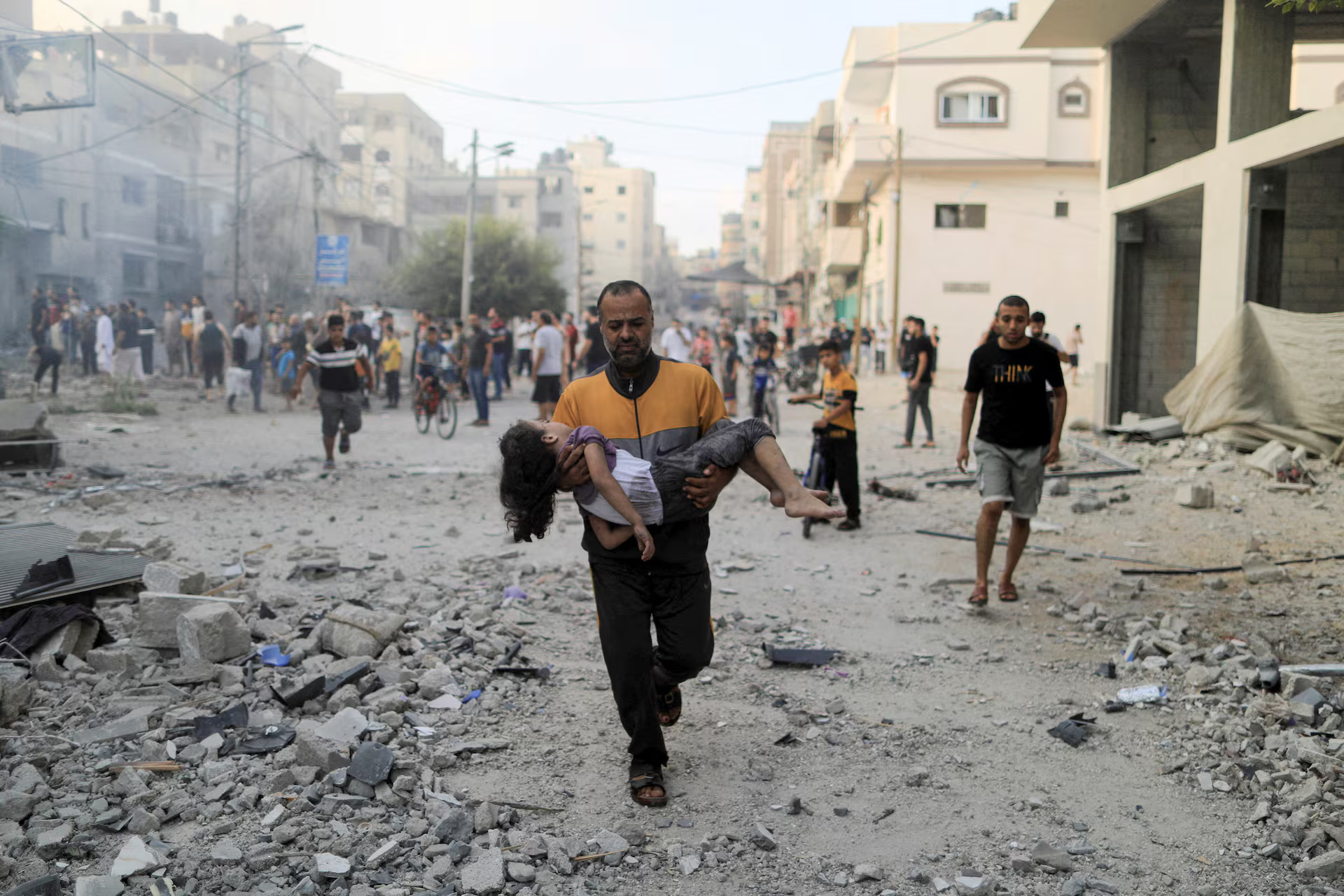
Within weeks, the “professional victims” who organised the mobs cried victim: it was the encampment, not those who beat its occupants with poles, who were accused of making Jewish students unsafe. The beaten became the aggressors. The attackers were rewarded with a federal antisemitism investigation, and, as with Palestine, the media and government institutions blamed the victims and absolved the mobs.
Fear is not a diagnosis; it is an excuse. A racist white man claiming to feel “unsafe” watching Black Americans march against racism is not absolved because his fear is sincere. Racism does not become legitimate simply because the racist experiences it as fear; it remains racism, dressed in the language of injury. Fear detached from evidence is not a symptom of danger. It is a symptom of ignorance.
A misandrist who claims to feel unsafe sitting in a classroom full of men does not acquire the right to exclude male students or demand a policy against them, even if her fear is genuine. Likewise, pro-genocide Jewish students at American universities, like the misandrist, are entitled to their views, however repugnant; that is what free speech protects. Feeling uncomfortable when Israel is criticised does not transform criticism into a threat, nor does it justify invoking “safety” as a shield against debate, particularly when other Jewish students experience the same protests not as a danger but as a cause worth defending. Many are not cowering from these protests; they lead them.
A kite over the Jewish-only colony of Nahal Oz and a lecturer at the University of Minnesota have nothing in common except this: both made the “professional victims” feel “unsafe.” The kite terrifies a government that cannot tolerate the sight of a besieged population enjoying five minutes of a summer sky. Exposing Israel’s genocide on American campuses terrifies the Israel-first crowd, whether the challenge comes from a medical doctor, a professor or a student in a keffiyeh confronting false Zionist narratives.
The kite panic is not the only Zionist concoction. It is the latest entry in a litany of manufactured threats used to censor free speech throughout the world. Look at American campuses. A poll of nearly a thousand US Middle East scholars, conducted by researchers at the University of Maryland and George Washington University, found that a large majority self-censor when discussing the Israeli-Palestinian conflict, and that most said the driver was fear: fear of career consequences, of being cancelled, of being reported to administrators.
So which is it, in Gaza and on American quads alike? Playing the victim card to rationalise genocide abroad and intimidation at home? Or fear so genuine, so irrational, that a child's kite in Gaza or a student petition in America registers as a threat? Either way, Israel and Israel-first Americans don't need lawyers, lobbyists and generals; they need psychiatrists. Those who cannot distinguish a toy from a weapon, or a human-rights argument from a hate crime, are not fit to police speech or decide who is imprisoned or expelled, whether from Gaza or from American universities.
Paranoia manufactured by institutions that monopolise victimhood is delusion, not reality. It is psychopathology that requires treatment, not government and university validation. Fabricated fear should never become a licence to silence speech at home or rationalise genocide in Palestine.
Jamal Kanj is a commentator on Arab affairs whose work appears regularly in national and international publications. He is the author of Children of Catastrophe: Journey from a Palestinian Refugee Camp to America and several other books.
Send your articles for Slow Reads to slowreads@thedailystar.net. Check out our submission guidelines for details.
Shared rivers, shared responsibilities: The case for water treaties
Shanghai Cooperation Organisation at 25: Can China, India and Russia really speak with one voice?
Bihar wants Delhi to not renew Ganges treaty. What does it mean for Dhaka?
Bangladesh and the United States: Beyond the tariff bargain

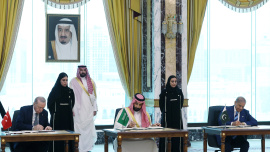
From the Carter Doctrine to the Mecca Pact: A changing Gulf security order
More capability, less autonomy? Bangladesh’s emerging security dilemma
An anti-West network is emerging: How should Bangladesh respond?
The Mecca Pact: Deterrence, Israel, and the new Gulf security equation
What Nepal’s flood devastation means for Bangladesh, India and China