


Spain play possession-based football, not 'tiki-taka': De la Fuente
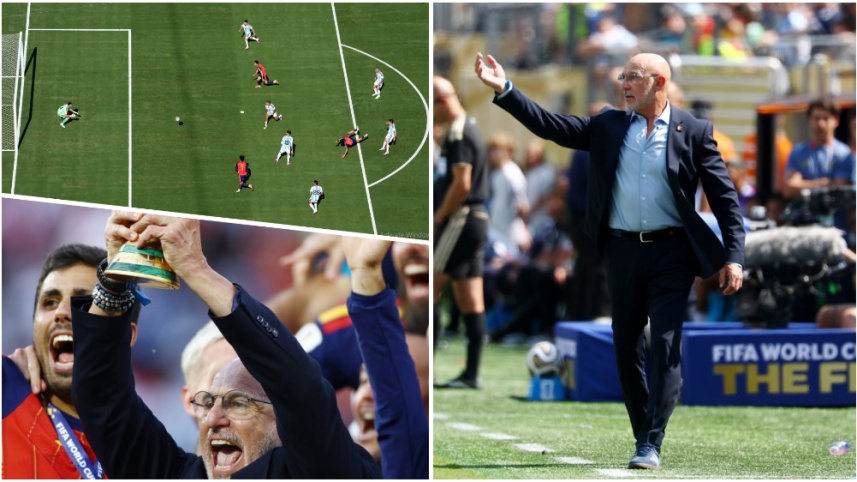
Spain head coach Luis de la Fuente has dismissed the "tiki-taka" label often associated with his country's football, insisting that the identity behind the newly crowned world champions is better described as "possession-based football" -- a philosophy that has evolved with the modern game rather than being trapped in nostalgia.
Speaking to Spanish newspaper AS following Spain's World Cup triumph, the 65-year-old coach reflected on the tactical identity that carried his side to a flawless tournament, while also reiterating the values that have shaped one of the most successful international teams in recent years.

De la Fuente's Spain completed the World Cup unbeaten, conceding just one goal throughout the tournament while extending their remarkable unbeaten run to 38 matches. Yet, despite comparisons with Spain's legendary 2008-12 golden generation, the coach was keen to distance his team from simplistic labels.
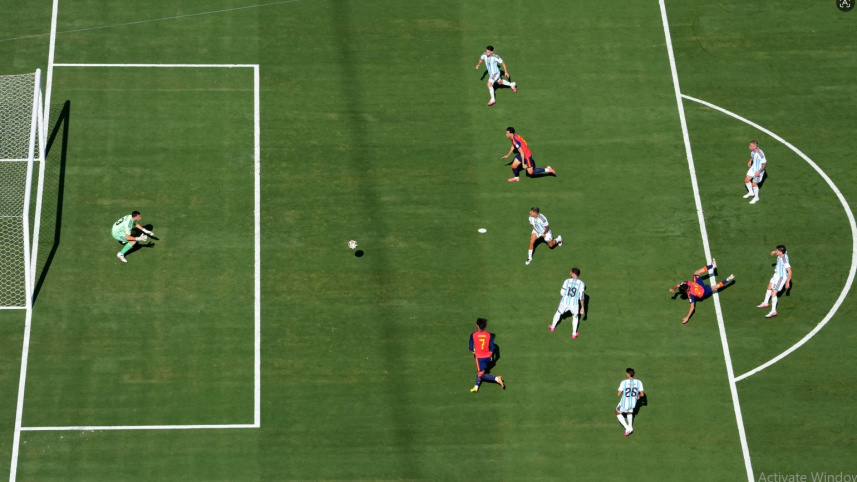
"Football has changed enormously over the past 16 years," De la Fuente said when asked whether Spain were still playing 'tiki-taka'.
"We have the same model, but we're aware that it has evolved. I'm not a big fan of expressions and clichés like tiki-taka. I understand why they're used, but I don't like them. I think possession-based football sounds better. Tiki-taka sometimes seems to have a pejorative connotation."
Spain's possession-oriented style first reached global prominence during their golden era, when they won Euro 2008, the 2010 World Cup and Euro 2012 through relentless ball retention and intricate passing. The approach itself, however, traces its roots to Johan Cruyff's revolutionary ideas at Barcelona, inspired by the Dutch concept of Total Football before being refined further by Pep Guardiola.
Over the years, critics argued that Spain's obsession with possession had become predictable and ineffective. De la Fuente, however, believes the modern version of Spain's game has embraced speed and directness without abandoning its core principles.
"Football is constantly changing," he explained.
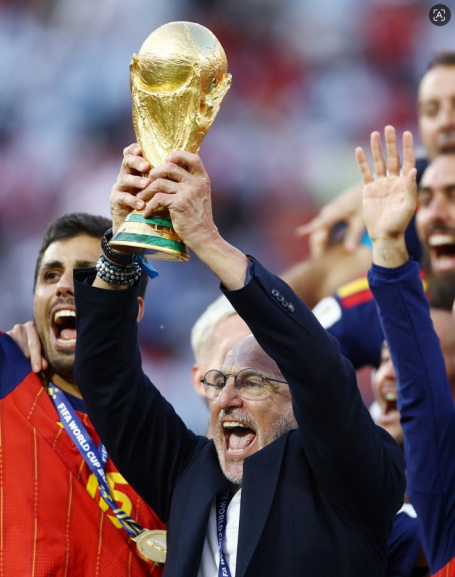
"Each major competition is another step forward. Even at the European Championship, the feeling shifted somewhat when we started playing with wingers. Now, transitions and speed are key. Before, there was something almost unquestionable: the team with the most possession won a very high percentage of matches. That's no longer the case. A team with 30 percent possession can beat you three to one."
Rather than chasing possession for its own sake, Spain have blended control with efficiency. The world champions finished the tournament among the leaders in passing and attempts on goal while boasting one of the stingiest defensive records.
"We're a very balanced team," De la Fuente said. "We've scored over 100 goals and conceded very few in 50 matches. The team defends collectively. It's eleven players defending."
The Spaniard also stressed that the national team's playing style is not solely the product of one coach but of a long-established development model.
"This isn't something new. It's the product of having worked with this model for years. We've remained faithful to it, although every coach has added their own nuances."
Beyond tactics, De la Fuente believes Spain's success has been built on another guiding principle that he has repeated throughout his managerial career — selecting not only talented footballers but also exemplary individuals.
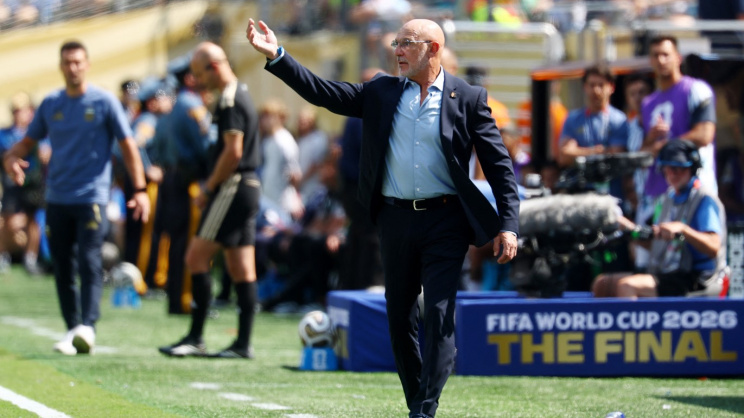
"As I always say, I look for good players and good people," he said.
"I'd be surprised if someone didn't want a good person as a colleague. It makes the journey safer. It's not incompatible with quality, character or grit. I feel much safer with good people."
Having spent years coaching Spain's youth teams before taking charge of the senior side, De la Fuente said he has been able to understand players beyond their footballing ability.
"We know these players very well. We know who won't let you down or complain if they spend 52 days in a training camp without playing a single minute. We know what kind of people they are."
That philosophy, according to the World Cup-winning coach, has helped create a dressing room where unity matters as much as tactical excellence -- an environment that has allowed Spain's possession-based football to flourish once again on football's biggest stage.
 For all latest news, follow The Daily Star's Google News channel.
Comments