


VAR uproar eclipses epic comeback

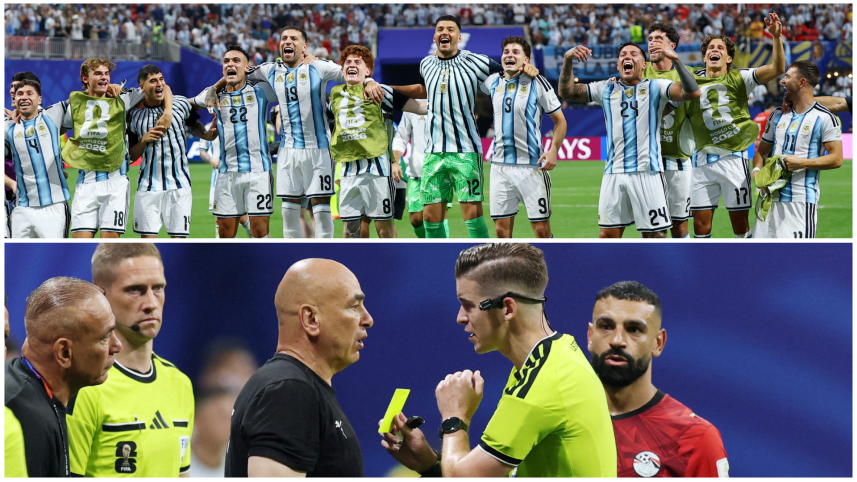
Five goals. A missed Lionel Messi penalty. A stunning comeback. A stoppage-time winner.
Yet none of them became the story.

Within minutes of Argentina's dramatic 3-2 victory over Egypt in the FIFA World Cup Round of 16 at Atlanta Stadium on Tuesday, the football fraternity had been taken over by a VAR storm that left the Egyptian Football Federation (EFA) demanding FIFA remove the entire officiating team from the tournament.
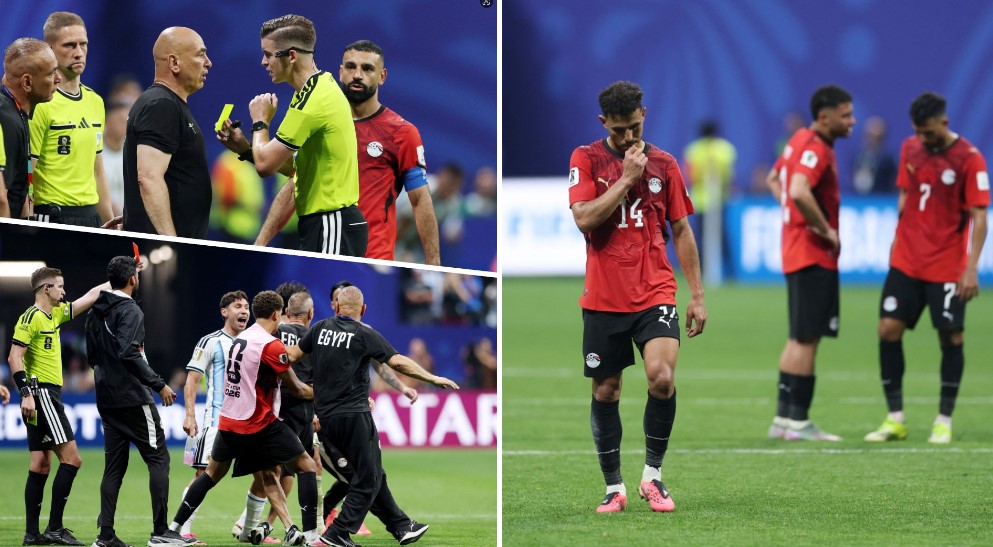
For 78 minutes on the night, Egypt looked destined to script one of the greatest upsets in World Cup history. Yasser Ibrahim's towering header put the African side ahead before goalkeeper Mostafa Shobeir denied Messi from the penalty spot. When Mostafa Ziko capped a lightning counterattack to make it 2-0, the defending champions were staring at a shock exit.
Champions, however, have a habit of finding another way.
Cristian Romero's powerful header ignited Argentina's comeback before Messi redeemed himself with the equaliser. Then, three minutes into stoppage time, Enzo Fernandez rose to score a dramatic winner and complete one of the tournament's most remarkable turnarounds.
The celebrations, though, were quickly overshadowed.
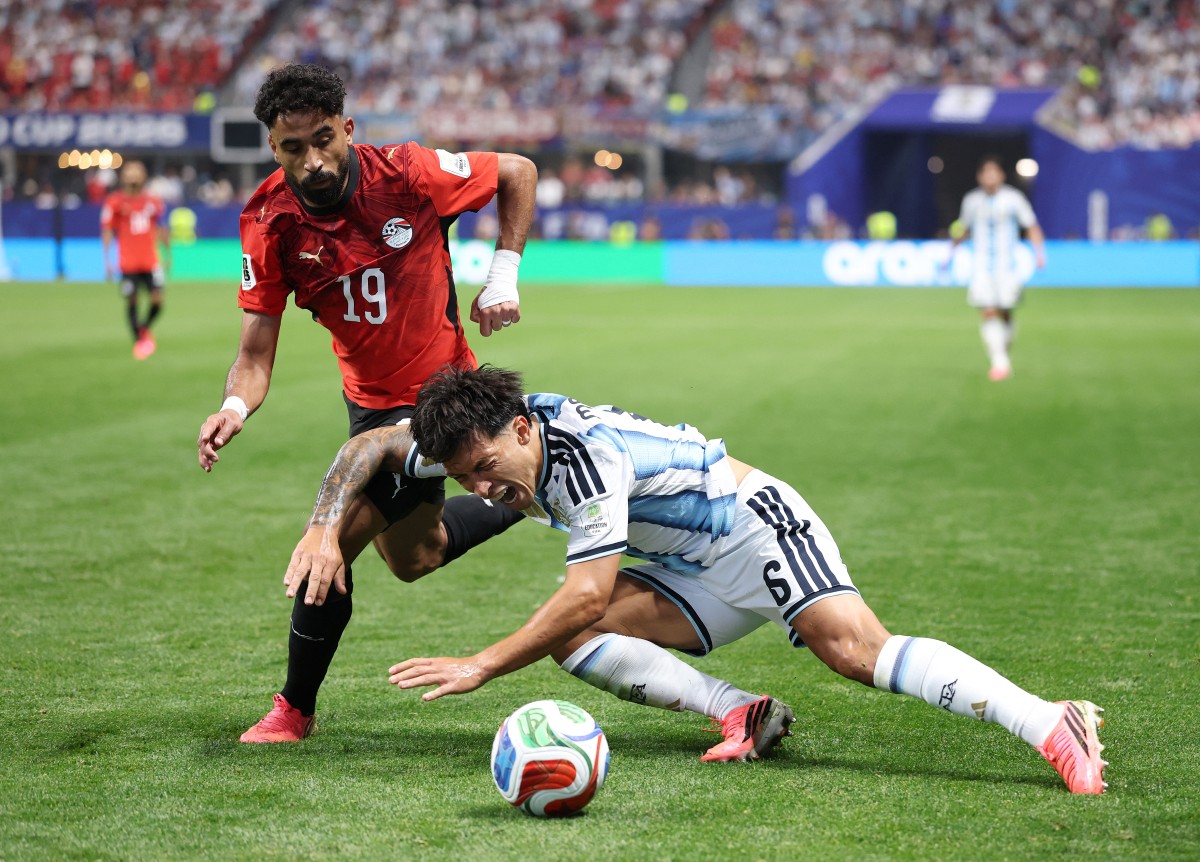
The flashpoint came when Ziko thought he had scored, what would probably have been the goal of the night, only for VAR to intervene. After reviewing the build-up, officials ruled that Marwan Attia had fouled Lisandro Martinez earlier in the same Attacking Phase of Play (APP), leading referee Francois Letexier to disallow the goal.
The decision triggered an extraordinary reaction.
The EFA lodged an official complaint with FIFA, accusing Letexier and his VAR team of "blatant errors and double standards" and calling for the entire officiating crew to be removed from the tournament. EFA president Hany Aburida also criticised the officials for failing to review what he regarded as crucial incidents, echoing the anger of head coach Hossam Hassan.
"We have been cheated unfairly today, we have suffered injustice... Perhaps they wanted Messi to stay in the running," Hossam said after the match.
Under the Laws of the Game, however, the officials' decisions were supported by the VAR protocol. Ziko's goal was ruled out because Marwan Attia's challenge on Martinez occurred within the same Attacking Phase of Play, allowing VAR to review the offence before the ball reached the net.
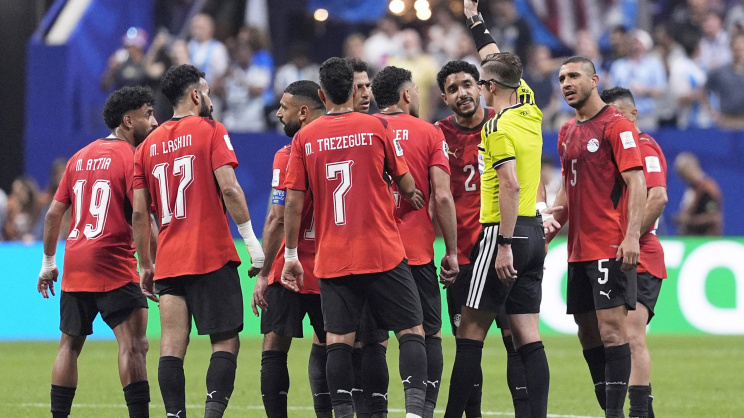
Egypt's later appeals for penalties were also rejected, with Alexis Mac Allister's shirt pull on Hamdy Fathy judged insufficient to warrant a spot-kick, while Mohamed Salah's final-second collision with Julian Alvarez was deemed a normal coming together rather than a foul.
Those decisions may have been technically correct under the law, but they have reignited debate over the consistency of VAR interventions throughout the tournament.
Comparisons have already been drawn with Paraguay's highly physical encounter against France, which passed without similar VAR scrutiny, Harry Kane conceding a penalty against Mexico for an ‘unintentional’ foot-on-foot challenge, and Argentina escaping comparable review in their earlier victory over Austria. Whether those incidents are directly comparable remains open to interpretation, but together they have fuelled questions over whether the laws are being applied consistently.
Argentina now march on to a quarter-final against Switzerland. Egypt return home with broken hearts and lingering frustration.
Atlanta may ultimately be remembered as the night when the law prevailed. Whether it has prevailed equally for everyone is the question this World Cup cannot yet answer.
 For all latest news, follow The Daily Star's Google News channel.
Comments