


Understanding the nuances of self-projection in reading fiction

There's a particular experience every reader is intimately familiar with: you're 250 pages deep into a novel, and suddenly a character does something that feels wrong – not poorly written, not out of character, but wrong in a way that stings personally. Perhaps they choose ambition over loyalty, or they forgive someone you wouldn't forgive, or they're content with a life you'd find stifling. The disappointment is real. You might even close the book.
This reaction reveals something significant about how we consume fiction. When we engage with stories primarily through self-projection – treating characters as vessels for our own experiences, values, and desires – we risk missing much of what fiction has to offer. More troublingly, we risk becoming hostile readers unable to appreciate narratives that don't reflect us.

Self-projection isn't inherently problematic. We naturally seek connection with fictional characters, and finding echoes of our own struggles in their stories can be profoundly meaningful. The danger emerges when projection becomes the primary or only lens through which we engage with narrative art. When we need characters to think like us, we've transformed fiction from a window into a mirror.
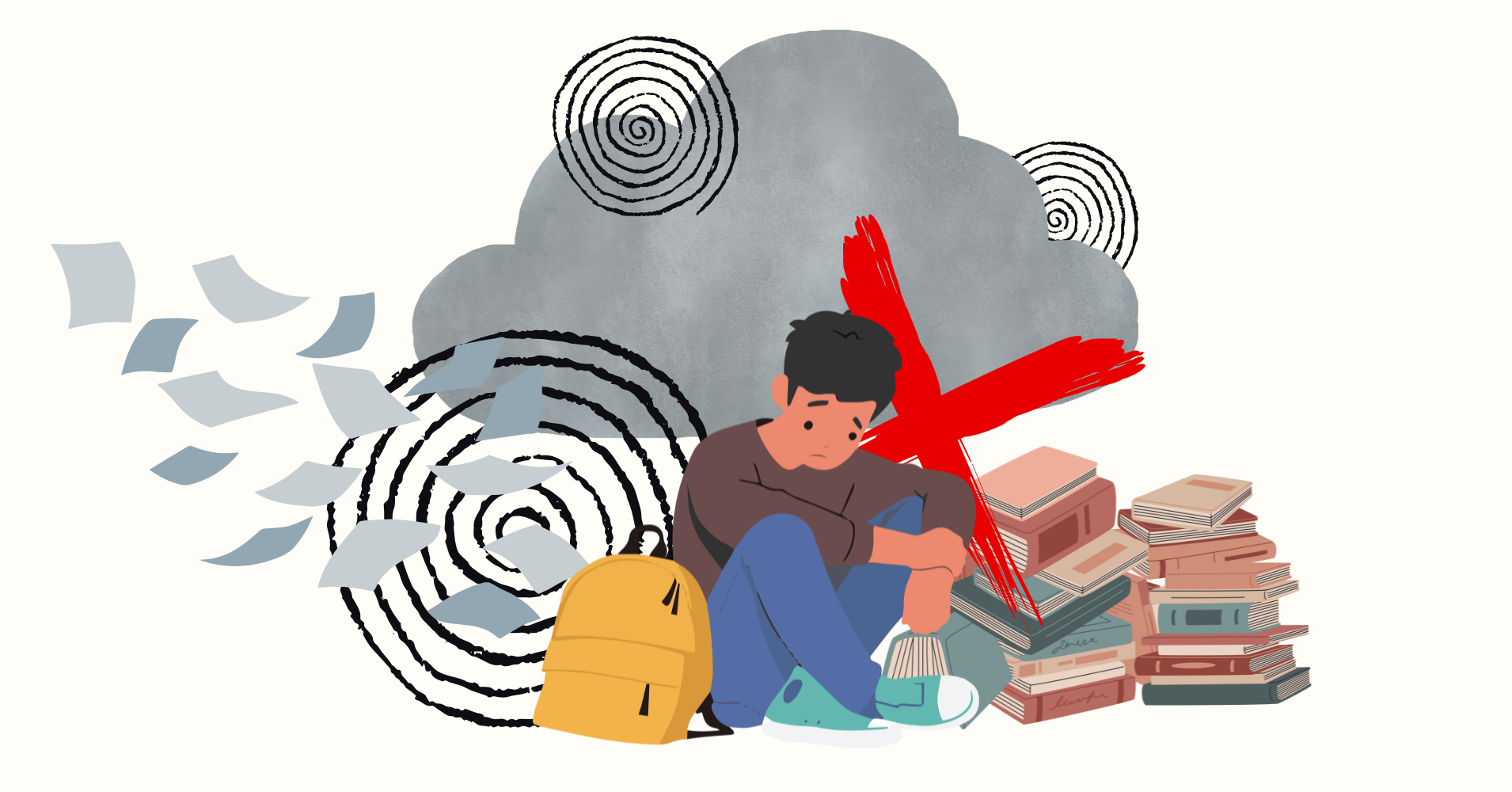
Consider the common online discourse around "problematic" characters. When audiences project themselves onto protagonists, they often struggle to accept that their stand-in might be flawed, morally complex, or even villainous. For instance, when Nabokov puts us inside Humbert Humbert's head, or when we are asked to sympathise with morally compromised characters, the point isn't to validate these perspectives but to unsettle us, to make us grapple with uncomfortable truths about human nature.
A character's mistakes become personal attacks; their moral failures feel like accusations. This leads to bizarre interpretive gymnastics where viewers bend over backwards to justify inexcusable actions or, conversely, reject entire works because they can't bear to identify with someone imperfect. We see this in fan communities that wage wars over whether a character "deserves" redemption, as though their fictional arc were a referendum on the audience's own worthiness.
The economics of modern media have amplified this problem. Streaming platforms and social media algorithms excel at giving us more of what we already like, creating echo chambers of taste. Fan service has become a business model, with creators increasingly expected to deliver exactly what audiences project onto their works. We've seen beloved series derailed by desperate attempts to satisfy every faction of a splintered fanbase, each insisting their interpretation is the "correct" one because it aligns with their self-projection.
There's also something infantilising about the expectation that fiction should always comfort us, always reflect us back to ourselves in flattering ways. It treats art as a mirror meant only for admiration rather than a window into other lives and other ways of being. Children naturally engage with stories by putting themselves at the centre – every kid imagines themselves as the hero. Mature engagement with fiction requires growing past this, developing the capacity to care about characters who aren't us and to invest in stories that don't centre our experiences.
This isn't an argument against identification or emotional investment in media. Living vicariously through characters in a story we care about is one of fiction's greatest pleasures. The issue is when identification becomes so totalistic that we lose the ability to observe, to analyse, or to sit with discomfort. When we can't tell the difference between "this character is like me" and "this character is me", we collapse the necessary distance that allows fiction to do its work.
The remedy isn't to abandon emotional engagement but to cultivate critical empathy – the ability to understand and feel with characters while maintaining enough separation to see them clearly. This means asking not just how this character reflects me but who this character is within the context of the story. It means tolerating the discomfort of identifying with flawed people and the challenge of caring about those unlike ourselves.
Fiction at its best expands our capacity for experience beyond the limitations of our single lives. But it can only do this if we let it, if we resist the urge to make every story about us. The mirror is a comfortable place to look, but the world beyond it is so much larger. When we insist on seeing only our own reflection, we don’t just limit our understanding of the story – we miss the chance to be changed by it.
 For all latest news, follow The Daily Star's Google News channel.
Comments