


One degree that changed everything: Rethinking our cities, restoring our seas
6 June 2026, 13:46 PM
Supplements

Eid ul Fitr, Styled by the Hour
7 March 2026, 16:26 PM
Elevate
When global unrest hurts retail, Bangladeshi retail shows resilience
2 June 2026, 13:42 PM
Supplements

Growing up between the Eid greetings
7 March 2026, 14:40 PM
Elevate

Sweet, Social, Slightly Dangerous: The post ramadan shock
7 March 2026, 14:32 PM
Elevate

Forget the symmetrical face, I am taking the air fryer
7 March 2026, 14:18 PM
Elevate

The Devotion Beneath Your Fingertips
7 March 2026, 14:03 PM
Elevate

Sound of the Season
7 March 2026, 13:57 PM
Elevate

A simple act of giving
7 March 2026, 15:11 PM
Elevate

The mornings we grew out of
7 March 2026, 15:05 PM
Elevate
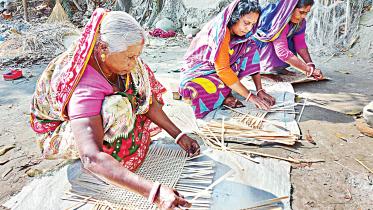
Are we doing enough for our SMEs?
One significant dimension that has emerged in Bangladesh in recent decades is the expansion of small and medium enterprises (SMEs).
10 February 2023, 18:00 PM
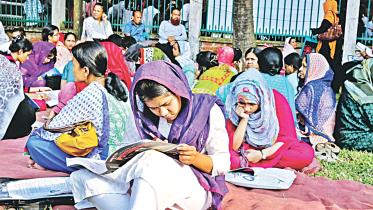
Education and growth: Are we asking the right questions?
Economists and policymakers, influenced by economists, tend to look at education as a homogeneous and highly aggregated category.
10 February 2023, 18:00 PM
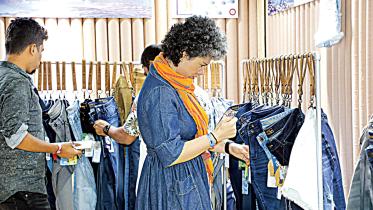
Innovation key for Bangladesh to remain a global RMG leader
As we head into 2023, there is a sense of trepidation in the business landscape. As 2022 drew to a close, it felt at times like many companies were limping towards the end of the year.
10 February 2023, 18:00 PM

How startups can make the best use of data
We live in the age of data. Today, as I write this article nearing midnight, almost 2.5 quintillion bytes of data have been generated globally.
10 February 2023, 18:00 PM

Staying on top of the 4IR at the policy level
Bangladesh is poised to join the ranks of middle-income countries in 2026, and industrial growth will form the backbone of our economy as we make this transition.
10 February 2023, 18:00 PM
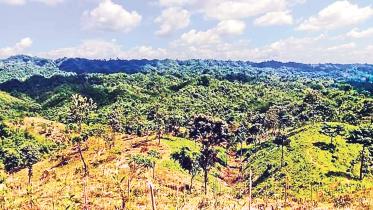
Nature-based solutions can fight two key battles together
In the last two months of 2022, two large global events took place on two continents flanking the Atlantic Ocean. In November, around 35,000 people met at the Egyptian tourist city of Sharm El-Sheikh for the 27th Conference of the Parties to the United Nations Framework Convention on Climate Change (COP27).
10 February 2023, 18:00 PM

How can we become an attractive investment destination?
Economic growth and business development are highly dependent on the business climate created by socio-economic policies and political decisions of governments.
10 February 2023, 18:00 PM
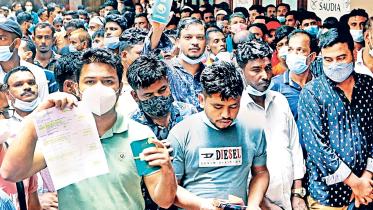
Better care for migrants can ensure higher remittance earnings
Abdur Rashid Mia (32) from Narsingdi went to Saudi Arabia in June 2022. However, each step of his journey there was complicated – from getting his passport, to completing his medical check-ups, paying for his tickets and, finally, getting a job.
10 February 2023, 18:00 PM
Making private sector a key driver of our economy
Bangladesh has come a long way in weaving its inspirational tale of incredible success as one of the fastest-growing economies in the world.
10 February 2023, 18:00 PM

EDITOR’S NOTE
Like the previous years, The Daily Star is proud to present to you yet another colourful, well-illustrated 216-page special supplement in five segments on the occasion of its 32nd Anniversary. SEGMENT 1, which appears today, is titled: “Towards a smart Bangladesh”; SEGMENT 2: “The changing middle-class story” will appear on February 13; SEGMENT 3: “Where Showbiz meets the Internet” on February 15; SEGMENT 4: “In with the new: Lifestyle Chronicles” on February 16; and SEGMENT 5: “Celebrating the inspirers” on February 19.
10 February 2023, 18:00 PM

Creating conditions for our youths to prosper
Despite overcoming its many economic challenges, one obstacle Bangladesh continues to struggle with is creating enough quality employment opportunities for its young population.
10 February 2023, 18:00 PM
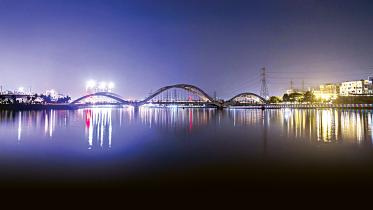
Lessons for Bangladesh as a graduating LDC
As per the decision of the UN General Assembly held in November 2021, Bangladesh is set to graduate out of the group of least developed countries (LDCs) on November 24, 2026, about 50 years after it first became a member of this cohort of developing countries in December 1975.
10 February 2023, 18:00 PM
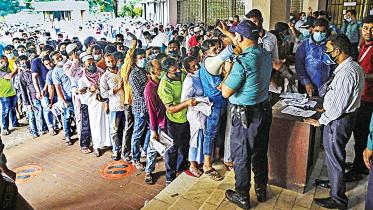
Our migrant workers deserve better protection
How often have you heard the term “hundi” recently? I would bet quite a few times, especially if you’ve been following the worried discussions surrounding the cost-of-living crisis and economic downturn, both at home and abroad.
10 February 2023, 18:00 PM

Surviving the energy crisis
Energy crises are not rare, but a crisis of this magnitude that tends to derail world economic progress is.
10 February 2023, 18:00 PM
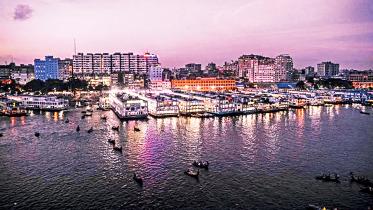
Overcoming challenges of LDC graduation
The United Nations Committee on Development Policy (UN-CDP) determined in February 2021 that Bangladesh has satisfied all three requirements to graduate from the category of Least Developed Country (LDC) for the second time.
10 February 2023, 18:00 PM
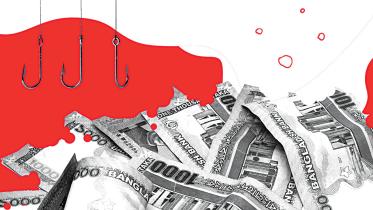
Why Bangladesh Bank needs to be fully independent
If you ask someone from a country with a decent economy whether the central bank should be allowed to exercise independence in its policymaking, they will say that not giving independence to the central bank is like letting someone drive a car while keeping their hands tied behind their back. The question is not why, but how to give more independence to the institution.
10 February 2023, 18:00 PM
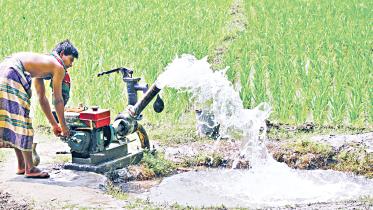
More attention needed for the agriculture sector
The agriculture sector is one of the key economic pillars of Bangladesh. Just after liberation in 1971, its contribution to GDP was around 60 percent.
10 February 2023, 18:00 PM
What makes our energy subsidy policy irrational
Fossil fuel and electricity subsidy is widely provided all over the world. A subsidy is a product of the political economy. Access to affordable energy is now a basic human right.
10 February 2023, 18:00 PM

Lack of banking sector reforms will further choke the economy
Like every year, our banking sector had been in the news in 2022, and mostly for the wrong reasons.
10 February 2023, 18:00 PM
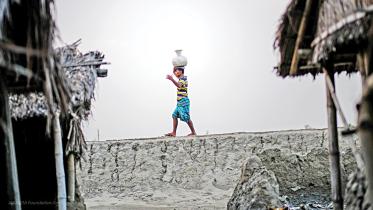
Bangladesh’s key role in combatting climate change
As we enter the third year of this decade, we have only seven more years until 2030 to tackle the major global problems of climate change and the Sustainable Development Goals (SDGs).
10 February 2023, 18:00 PM