


Bangladesh’s Footwear Market Steps Up
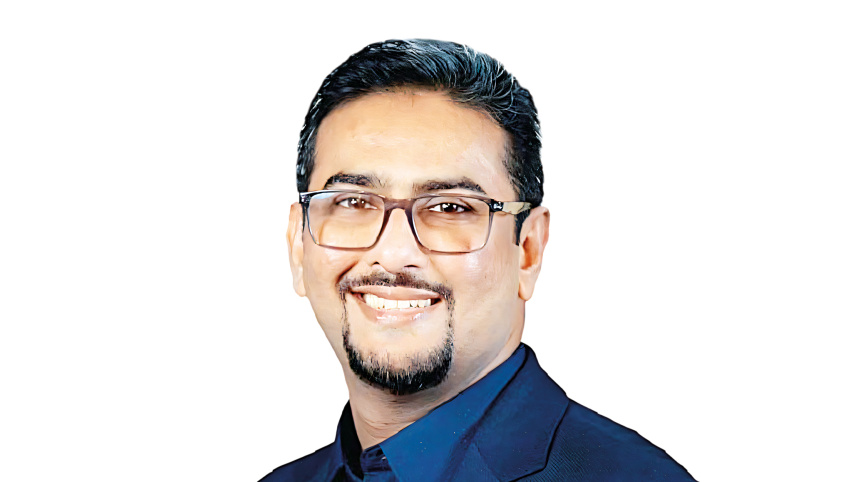
Shamim Kabir
Managing Director
Step Footwear

In the last five to seven years, we have understood much more clearly what Bangladeshi consumers want: quality, trends, fashion and comfort.
Bangladesh’s footwear market is evolving. Buyers now base buying decisions on design, comfort and products suited to different occasions. Local manufacturers are reducing import dependence, bolster exports and develop different product lines. In a conversation with The Daily Star, Shamim Kabir, Managing Director of Step Footwear, discusses how local footwear brands are responding to these shifts.
The Daily Star (TDS): How has Bangladeshi consumers’ perception of local footwear brands evolved?
Shamim Kabir (SK): The biggest change is confidence. People used to think that Bangladeshi shoes are not international standard. Over the years, local brands have brought better products, designs and quality to the market. Buyers have started trusting local brands. We have been slowly building Step for around 12 years. In the last five to seven years, we have understood much more clearly what Bangladeshi consumers want: quality, trends, fashion and comfort.
TDS: What are consumers prioritising most today? Is it Price, design, brand reputation or comfort?
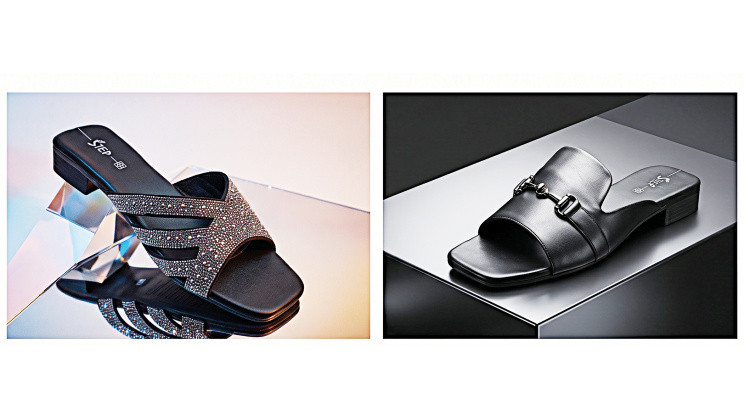
SK: Consumers want everything. Even a Tk 295 flip-flop is expected to have world-class features and comfort. Fashion trends change quickly. Someone may want shoes for a red outfit today and a green one tomorrow. So affordability matters. Lifestyle changes are also important. Thanks to Metro Rail, urban buyers are walking more than ever. Health conscious people are walking more than 10,000 steps everyday. All of these things make comfort much more important.
TDS: How do you balance fashion with comfort?
SK: Fashionable shoes are not always comfortable. You may wear high heels to a party but not wear them long term. We started by developing comfortable sandals, then gradually worked on new outsoles, fitting and materials. Fit is extremely important. Material also matters. We combine the right material, fitting and components while following international trends and doing our own R&D. We also design seasonal shoes for Bangladesh’s weather.
TDS: How are changing lifestyles affecting the footwear market?
SK: Buying trends have changed. Previously, someone bought one pair of shoes for Eid and used it for the office as well. Now people want different shoes for office, school, weddings and sports. Even within sports, requirements have become specific. Cricket, football, running or basketball may each require different footwear. Different occasions require different products, and manufacturers are responding to that demand.
TDS: What are the biggest challenges for local footwear manufacturers?
SK: One major challenge is our dependence on imported materials. Around 80 to 90 percent of raw materials are imported, except leather. But the market is increasingly moving away from leather. For soles, upper components and adhesives, we still depend heavily on imports, particularly from China. Exchange rates and global disruptions are raising costs and causing shortages and delays. We must localise the supply chain and develop stronger backward linkages in Bangladesh.
TDS: What does sustainability mean for a footwear company?
SK: I prefer to explain sustainability simply: reuse more, waste less and make things last longer. If a shoe lasts two years instead of three months, the consumer does not buy replacements. That itself reduces environmental impact. Ethical sourcing and working conditions are also important. In some parts of our production, for example, we use water-based adhesives.
TDS: What opportunities do Bangladeshi brands have internationally?
SK: Bangladeshi brands should cover international markets. We produce luggage and bags under the Ornette brand, which is sold in around 600 stores in New York. Step has also explored Singapore, the Philippines and Australian markets. We are now selling in Dubai through Amazon. Today, digital platforms and logistics have made entering international markets easier.
TDS: Where do shoe lasts and customised insoles fit into your product development?
SK: A shoe last, or forma, is essentially the shape around which a shoe is made. Traditionally, many were made from wood, by hand. We now produce plastic lasts using CNC machines. Major footwear manufacturers use our lasts. We are also working on customised insoles. A machine analyses a person’s posture and foot structure, including conditions such as flat feet or high arches. We prepare an insole based on that assessment. The data also helps us develop better products in the future.
TDS: What is your vision for Step over the next decade?
 For all latest news, follow The Daily Star's Google News channel.
 SK: Brand building is a marathon. Our aim is simple: provide comfortable shoes, build a good working environment with good people, earn consumers’ trust and keep our customers happy. If we can keep doing that for decades, then we can call ourselves a successful brand.
Interview conducted by Nusrat Jahan Esa.
Comments