


Growth amid market pressures Meghna Fresh LPG Ltd

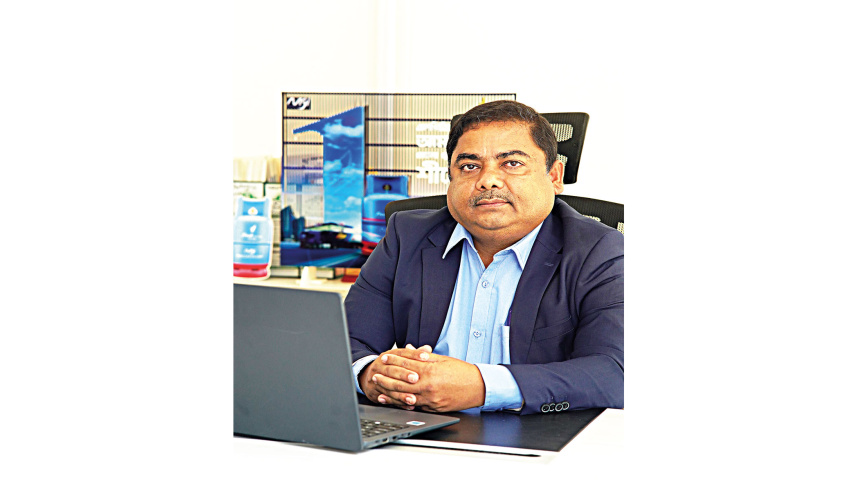
Abu Sayed Raza, Chief Marketing Officer, Meghna Fresh LPG Ltd.

Producing 100,000 cylinders monthly, Fresh LPG combines high-precision manufacturing with a 20,000-tonne storage strategy to protect consumers from the volatility of international energy markets.
Meghna Fresh LPG Ltd, a key concern of the Meghna Group of Industries (MGI), stands at the forefront of Bangladesh’s energy transition. Since its 2019 inception, the company has built extensive infrastructure, including state-of-the-art filling plants and maritime vessels, ensuring nationwide access to clean fuel. Leading this vision is the expert Abu Sayed Raza, Chief Marketing Officer (CMO), dedicated to safety, realistic pricing, and national energy security.
The Daily Star (TDS) : How do you assess the current state of Bangladesh’s LPG market?
Abu Sayed Raza (ASR): The market is under immense pressure due to total import dependency. Middle East conflicts and vessel shortages have pushed shipping premiums from $120 to nearly $400 per tonne. While recent BERC adjustments are a timely step, persistent global volatility means the risk of further price hikes remains a significant reality for the entire sector.
TDS: What explains the gap between fixed and retail prices?
ASR: The current commission structure is disconnected from operational realities. Margins fail to cover the rising costs of transport, labor, and electricity. We believe commissions should be adjusted to Tk 100 for distributors and Tk 120 for retailers. Realistic margins are essential to ensure a disciplined supply chain and eliminate the illegal overcharging.
TDS: What does Fresh LP Gas do differently to stay competitive in the marklet?
ASR: Our strength lies in a robust logistical backbone, featuring four filling plants and thirty road tankers. By managing our own maritime vessels, we ensure uninterrupted supply from Teknaf to Tetulia. Our cylinders follow strict American safety standards, ensuring that we prioritize consumer trust through uncompromising quality and reliability.
TDS: What is Fresh LP gas’s strategy to balance growth and affordability?
ASR: We are expanding storage capacity to 20,000 metric tonnes to buffer against global shocks. However, affordability requires policy reform. We advocate for reducing the 28% cumulative tax burden by slashing import duties to 5%. Removing VAT and Advance Tax would make clean energy affordable for millions using hazardous wood.
TDS: What are the biggest operational challenges in the LPG market right now?
ASR: Beyond global freight volatility, we face domestic hurdles like the dollar crisis and delays in opening Letters of Credit (LCs) . Illegal cross-filling by unauthorized syndicates poses a grave safety risk to the public. Stricter legal monitoring and more supportive credit rules are vital to maintaining a stable, safe, and reliable national energy supply for the future.
Interview conducted by Tagabun Taharim Titun
 For all latest news, follow The Daily Star's Google News channel.
Comments