


Is your new apartment fire safe?

Buying an apartment is a long term investment. That’s why alongside location, aesthetics, community and other utilities checking the safety measures while buying is crucial to save yourself from unwanted disasters. In 2025, nationwide 27,059 fire incidents were recorded, among them 32.17 percent of the total fires means 8,705 incidents took place in residential buildings. It explains the importance for a buyer to take a deep look at the fire safety details of the building.
Here’s a complete fire safety checklist for you to tick down while buying an apartment from a developer.

THE STANDARD SAFETY COMPLIANCE
Verified legal documents are one of the core certifiers that the building you are aiming to buy is safe to bet. Some crucial certificates to look out-
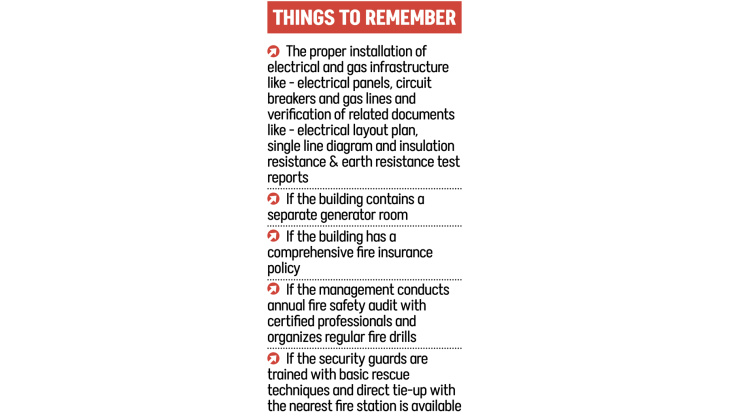
BNBC compliance certificate: Ensure the building is built maintaining the fire safety instructions approved by Bangladesh National Building Code (BNBC) by obtaining this certificate from the developer.
RAJUK Clearance: Check if the building has an approved layout plan from RAJUK and the physical building, specially emergency exits matches with the approved plan.
FSCD Certification: Ask the developer to provide Fire Safety Clearance Certificate or No Objection Certificate (NOC) from the Fire Service and Civil Defence (FSCD).
Occupancy Certificate: Check the occupancy certificate to make sure the building is certified by the local municipality as fit and safe for residential purposes.
Check if common fire-resistant materials like- gypsum board and fire-rated doors are used, according to BNBC guidelines to ensure endurance against fire.
ARRANGEMENTS FOR TIMELY FIRE DETECTION
Fast detection is necessary to prevent fatal damages. Ensure the building has-
Smoke and Heat Detectors
Check if the smoke and heat detectors are properly operational and installed in all important zones.
Fire Alarms
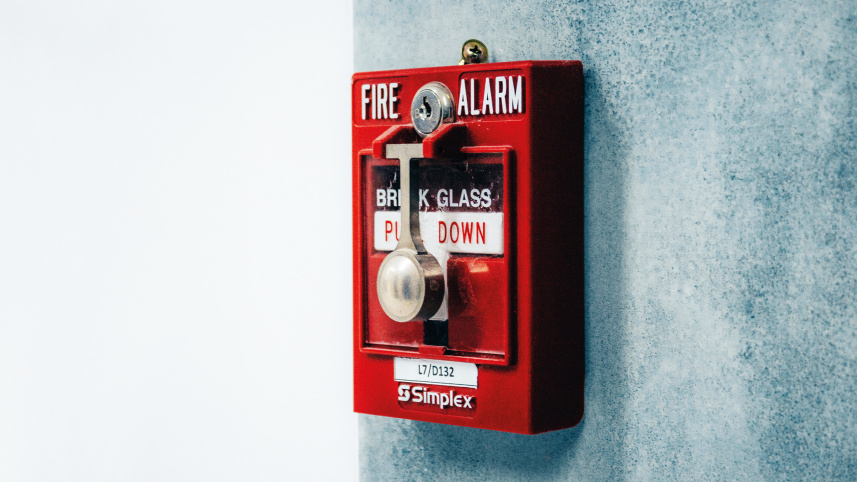
Check if the apartment contains manual call points, electronic sirens, audible alarms, visual signals, or centralized monitoring for rapid awareness.
ACCESSIBILITY OF FIRE FIGHTING EQUIPMENTS
Fire Extinguishers
Check the placement and functionality of ABC-type extinguishers properly. Look for specific extinguishers such as- water extinguishers for ordinary combustibles like-wood, paper, fabric, CO₂ extinguishers for electrical fires and foam extinguishers for flammable liquids.
Active Hydrant System
Ensure the building is equipped with overhead and underground water reservoirs with independent diesel backup pumps dedicated for fire emergencies. Check if all floors contain a functional fire hose cabinet and overhead sprinklers installed in the basement area.
 For all latest news, follow The Daily Star's Google News channel.
 POTENTIALITY OF EVACUATION PATHS
No matter how solid the fire safety measurements are, if the escape routes aren’t planned wisely the ultimate disaster can’t be avoided. Make sure to check each things related to evacuation plan properly while buying your dream house-
Emergency Exit Doors
Ensure the designated heavy, heat-resistant fire exits, rated for 1.5 to 2 hour endurance is installed. See if the fire doors swing outward easily, hold a one-way path - only opening from floors into the staircase or going all the way down to the basement and seal properly.
Exit Routes Signage: Check if the building has a clearly marked pathway for emergency cases.
Smoke Doors: Check if fire-resistant smoke-stop doors are set to prevent smoke spread.
Clear And Well Calculated Exit Points: Ensure the common hallways are at least 5 feet or 1.5 meters wide, completely clear and well-ventilated. Also the distance between two fire exits shouldn’t exceed 33 meters according to BNBC guidelines, make sure it is maintained. The number of fire exits should be calculated thoroughly.
Escape-Staircase Pressurization
See if the emergency stairwells have higher air pressure to block the flames, smoke, or heat during an emergency.
Fire Barriers And Dampers
Ensure the walls and floors meet “Fire Resistance Ratings” (FRR) and the passive fire protection products have been used properly in heating, ventilation, and air conditioning (HVAC) ducts to prevent expansion of fire.
Emergency Lighting
Check if backup power source and proper illuminated exit pathway is implemented to prevent casualties.
Elevator Safety Measures
Verify if the functional elevators have fire-resistant shafts, emergency stop systems, and power backups or check for dedicated fire elevators.
Emergency Assembly Points
Ensure the building has marked safe spaces like - lobbies, rooftop etc to use in the time of emergency.
Keep in mind the mandatory fire safety checklist while buying an apartment, ensure a safe and secure home for you and your loved ones.
Comments