


Future of Festive SpendinG: NCC Bank PLC
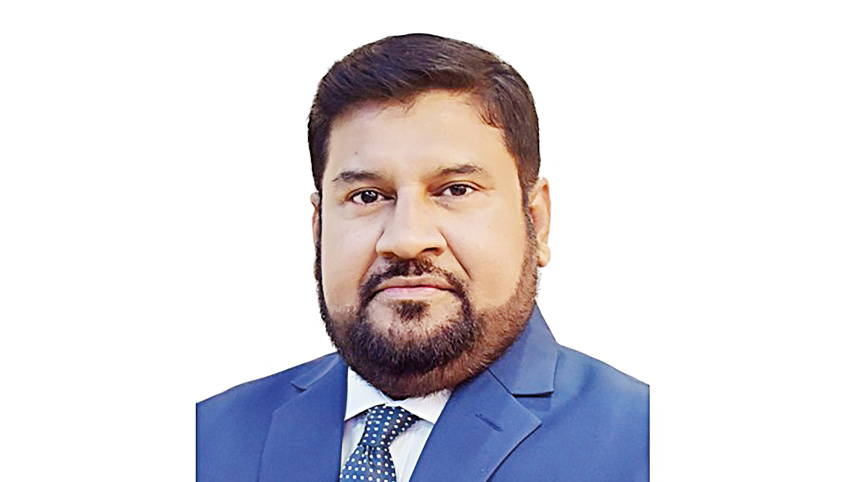
M. Shamsul Arefin
Managing Director
NCC Bank PLC.

Digital-first consumer behaviour will continue beyond Eid al-Adha. Growing trust in contactless payments, wider financial inclusion through MFS and agent banking, stronger bank-fintech integration, and more personalised digital services are set to reshape Bangladesh’s future festive spending.
Digital payments are transforming Eid al-Adha spending in Bangladesh, offering speed and security where cash once ruled. M. Shamsul Arefin, Managing Director of NCC Bank PLC, highlights how enhanced digital infrastructure and shifting consumer habits are accelerating the country’s journey toward a cashless future.
The Daily Star(TDS): What major trends are you seeing in Eid-related digital transactions, such as card payments, mobile financial services, and online transfers?
M. Shamsul Arefin (MSA): Digital transactions are driving a surge in Bangladesh’s Eid-ul-Adha economy, with MFS, cards, and QR codes becoming mainstream for shopping and transfers. While cash still dominates rural livestock markets, the rise in app-based banking and e-commerce shows that digital payments have evolved from a supplement into a core festival behavior. The most visible trend is the growing use of digital platforms for everyday Eid payments, from family transfers and Qurbani payments, to peer-to-peer transfers.
TDS: How are banks preparing to support the seasonal rise in cash withdrawals, digital payments, and customer demand during Eid?
MSA: To handle the seasonal rush, banks are ramping up preparations: ensuring cash availability at ATMs and branches, extending hours at select locations, bolstering digital infrastructure and customer support, and stepping up cybersecurity monitoring to prevent fraud and unauthorized transactions during Eid.
TDS: How significant is Eid-related spending for the banking sector, especially in terms of deposits, transactions, remittances, and payment activity?
MSA: For banks, Eid al-Adha is one of the year’s busiest periods. Transaction volumes surge across branches, ATMs, online banking, and mobile services. Remittance inflows from expatriates rise, along with temporary spikes in deposits and digital payments. This seasonal activity boosts operational throughput and fee-based income.
TDS: How are SMEs and informal businesses benefiting from Eid-driven demand, and what financing support can banks provide to them?
MSA: SMEs and informal businesses, such as clothing retailers, cattle traders, food vendors, transport operators, and online sellers, are major beneficiaries of Eid-driven demand. Banks support them with the required short-term working capital, fast loan disbursement, simplified paperwork, and digital payment tools like POS, QR codes, and MFS integration.
TDS: What trends are you observing in e-commerce and online buying during Eid, and how are banks enabling that ecosystem?
MSA: The e-commerce sector continues to grow rapidly during Eid, with rising online purchases of fashion, electronics, gifts, and household items. Social commerce platforms—especially those based online—are also drawing more consumers. Banks support this growth with payment gateways, cashback offers, card discounts, and secure online transaction services.
 For all latest news, follow The Daily Star's Google News channel.
Comments