


The tap that redefines tradition


As the moon heralds Eid-ul-Adha 2026, the bustling streets and cattle markets of Bangladesh tell a story far different from the cash-heavy traditions of the past. The cashless Bangladesh vision is no longer a policy goal; it is visible in the palms of millions. From the muddy terrains of cattle markets to the gleaming aisles of electronics showrooms, the transaction landscape has undergone a seismic shift. This year, the digital wallet has officially superseded the physical one, marking a record-breaking surge in Mobile Financial Services (MFS) and card-based commerce.
The End of Cash Scams

One of the most significant transformations is seen in the cattle markets. Traditionally, the “haat” was a high-risk environment where buyers carried millions in cash, making them targets for muggers and counterfeit-note scams.
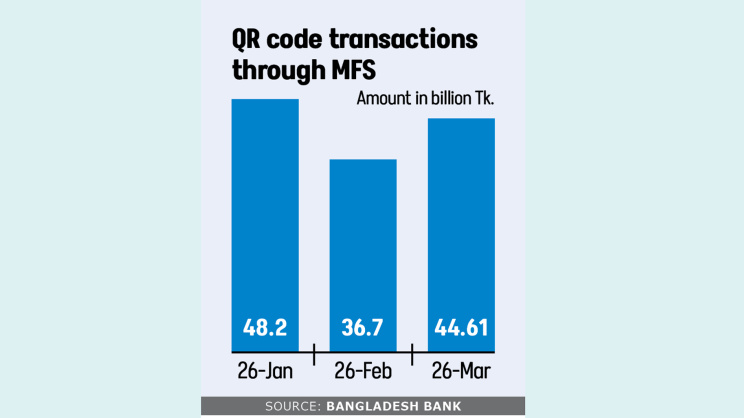
“The introduction of Bangla QR has made digital transactions significantly easier for both customers and merchants,” noted M. Nazeem A. Choudhury, Additional Managing Director of Prime Bank PLC. This interoperable system allows buyers to use any banking app or MFS provider to pay for their sacrificial animal instantly. For the farmers, this shift is a blessing. It eliminates the physical burden of carrying bundles of cash back to their villages and ensures their hard-earned money is safely deposited into their digital accounts.
Consumer Resilience and the EMI Revolution
Despite global economic pressures and inflation, consumer resilience remains a hallmark of the festive season. However, the nature of spending has changed. Md. Mahiul Islam, Deputy Managing Director at BRAC Bank, observed that consumer spending is expected to register moderate growth rather than a sharp rebound. He pointed out that higher commodity prices have pressured household expenses, making shoppers more value-driven and planned in their purchasing behavior.
This “planned spending” is most visible in the electronics sector. Eid-ul-Adha is the unofficial season for refrigerators and ACs. To manage cash flow, consumers are flocking to Equated Monthly Installment (EMI) facilities. Banks and retailers are offering 0% interest EMIs and exclusive discounts for cardholders. Syed Mohammad Kamal, Country Manager of Mastercard Bangladesh, explained that the festive economy is transitioning from cash purchases to more structured and rewarding digital transactions. By opting for EMIs, the middle class can upgrade their homes without a massive immediate hit to their savings.
The Rural Shift
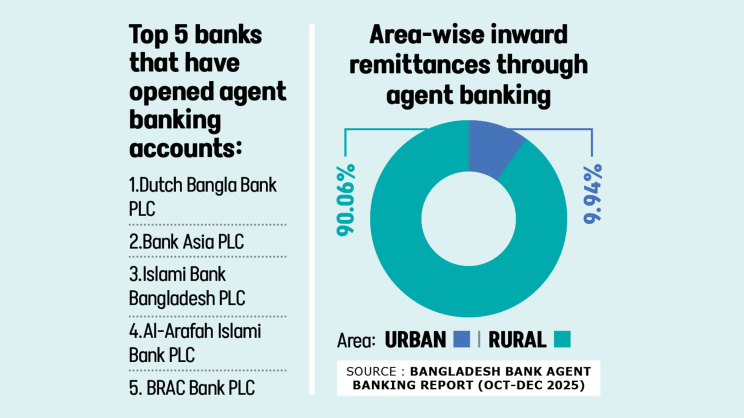
A pivotal driver of this digital surge is the unprecedented expansion of agent banking, which has evolved from a deposit-collection tool into a vital credit lifeline for the rural economy. According to Bangladesh Bank (BB) data, agent banking outlets have surged to over 20,501 across the country, and the total amount of deposits through agent banking reached Tk 49,720 crore at the end of December 2025. This infrastructure ensures that money is distributed faster than ever; when a buyer in Dhaka scans a QR code at a cattle market, the funds are instantly reflected in the farmer’s formal account. By bypassing the risks of physical cash and “fake note” scams, these digital rails are integrating the unbanked into the formal financial sector at a record pace.
This transition is further fueled by a sharp rise in rural demand. BB reports that credit disbursement through agent banking has seen a significant year-on-year expansion as rural borrowers increasingly seek formal loans to scale livestock production ahead of the festive season.By replacing the “shadow economy” of cash with a transparent, traceable flow of wealth, agent banking uplifts rural communities more efficiently than traditional spending, ultimately increasing the country’s tax-to-GDP ratio.
The Battle for the Festival Wallet Share
Competition among financial giants like bKash, Nagad, and commercial banks has intensified. Banks are moving beyond cash liquidity to “stress-readiness,” ensuring that backend systems can handle the massive influx of festive transactions. BRAC Bank, for instance, has strengthened API integrations with MFS providers to allow 24/7 fund transfers, while Prime Bank’s “ZERO” Visa card eliminates issuing and transfer fees to attract savvy spenders.
This digital shift is a massive win for the national economy. Digital spending has a higher “velocity of money,” entering the formal banking system instantly. This allows for better economic tracking and a higher tax-to-GDP ratio. By reducing the reliance on cash, digital transactions during Eid 2026 are fueling faster infrastructure growth and financial inclusion.
While the ease of digital payments is undeniable, it requires high financial hygiene. Experts emphasize that sensitive information like PINs and OTPs should never be shared. As digital transactions rise, so does the risk of sophisticated phishing scams. “Cyber fraud tends to rise during Eid due to the sharp increase in digital volumes,” warned Md. Mahiul Islam.
As we celebrate this Eid, the tap of a card or the scan of a phone is doing more than just buying a gift—it is powering a more transparent and resilient Bangladeshi economy.
 For all latest news, follow The Daily Star's Google News channel.
Comments