


Gen Z’s gender paradox

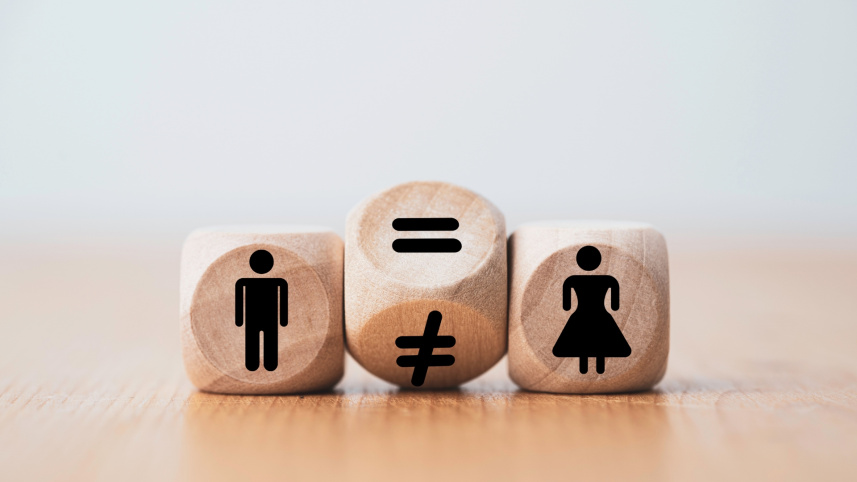
Born between 1997 and 2012, the Generation Z (or more popularly Gen Z), is often hailed as the most progressive generation yet—digitally fluent, socially aware, and quick to challenge injustice. Around the world, young people have led protests, organised movements, and confronted entrenched power. Yet when it comes to gender equality, the picture is far less encouraging.
A recent global survey by Ipsos and the Global Institute for Women’s Leadership at King’s College London, published on March 5, surveyed 23,000 people across 29 countries. It found that many young men hold surprisingly traditional views. Nearly a third (31 percent) of Gen Z men believe a wife should always obey her husband, while another third thinks the husband should have the final say in important household decisions—far higher than what Baby Boomer men (born 1946–1964) reported.

Other attitudes were also revealing. Almost one in every four Gen Z youth believes women should not appear too independent, and one in every five thinks men who take part in childcare are less masculine. At the same time, many young men feel constrained by expectations themselves: more than two out of every five say men should appear physically tough even if they are not, and almost a third believe men are expected to do too much to support equality.
Bangladesh was not part of the global survey, but local research suggests a similarly troubling reality. Survey findings presented in 2023 by Dr Sayed Saikh Imtiaz of Dhaka University's women and gender studies department, based on a sample of more than 900 schoolboys aged 11 to 15 from 50 schools across Cox’s Bazar, Pabna, Sirajganj and Rangpur, revealed concerning attitudes among adolescents.
The study found that three out of five (61.65 percent) boys had been exposed to child pornography, and as many as seven out of every 10 (70.55 percent) wished to molest a girl after watching porn videos. It also reported that more than half (56.65 percent) believed men should have the final say in family decisions, 57.45 percent had considered using force to satisfy sexual desires, and two out of every three boys (66.2 percent) thought women should not leave their homes frequently.
Yet this same generation has shown remarkable political energy in recent years. Bangladesh’s Gen Z students demonstrated courage and organisation, even helping to topple the government of Sheikh Hasina in August 2024.
However, while students rallied around accountability and institutional reform, women’s rights rarely emerged as a central demand. Recommendations from the women’s reform commission—aimed at addressing structural inequalities and strengthening women’s representation—were largely ignored. After the July uprising, women leaders were sidelined, and the student-led political party NCP failed to ensure their meaningful participation across political spaces.
The contradiction is also visible in figures idolised by many young people. National cricketer Tanzim Hasan Sakib faced criticism in 2023 when past social-media posts expressing strongly misogynist views resurfaced. Despite backlash from activists, many young followers defended or praised the remarks.
A similar pattern appeared at a Hefajat gathering last year where women were publicly demeaned. July uprising leader—now member of parliament—Hasnat Abdullah was present there but did not intervene, even though he has been vocal about most other social issues.
What do these patterns signal? The persistence of such attitudes among young men reveals a generational tension: Gen Z can be bold in challenging political authority, yet hesitant to confront the patriarchal norms shaping everyday life.
This paradox is increasingly recognised globally. Cultural works such as the British TV series Adolescence have sparked debate about how toxic online influences shape youth attitudes toward gender. The show explores how algorithms, social-media subcultures, and online communities such as the so-called “manosphere” reinforce misogynistic ideas and shape how boys think about masculinity, relationships, and self-worth.
In Bangladesh too, social media has become a battleground of conflicting messages. While some voices promote equality, others normalise patriarchal attitudes and ridicule progressive ideas. Without stronger digital literacy and public discussion on healthy relationships, many young people are left navigating these influences alone.
This International Women’s Day, challenging political power must go hand in hand with confronting the structures that shape how we think about gender and dignity. Promoting gender justice requires more than hashtags. It demands education that encourages young people to question stereotypes, public conversations that challenge misogyny, and leadership that places women’s rights at the centre of social change.
Gen Z must recognise that politics is not just about rallies, muscle-flexing, or giving in to populism disguised as democracy—gender is a core dimension of political life. Women make up half the population, and without granting them the equality they deserve, politics will remain incomplete and unrepresentative.
True political change is impossible without recognising that gender justice is inseparable from democracy and reform. Until Gen Z confronts patriarchal norms with the same vigour it brings to its activism, the struggle for equality will remain unfinished.
Jannatul Naym Pieal is a Dhaka-based writer, researcher, and journalist. He can be reached at jn.pieal@gmail.com.
 For all latest news, follow The Daily Star's Google News channel.
Comments