


Shadow of the Shah

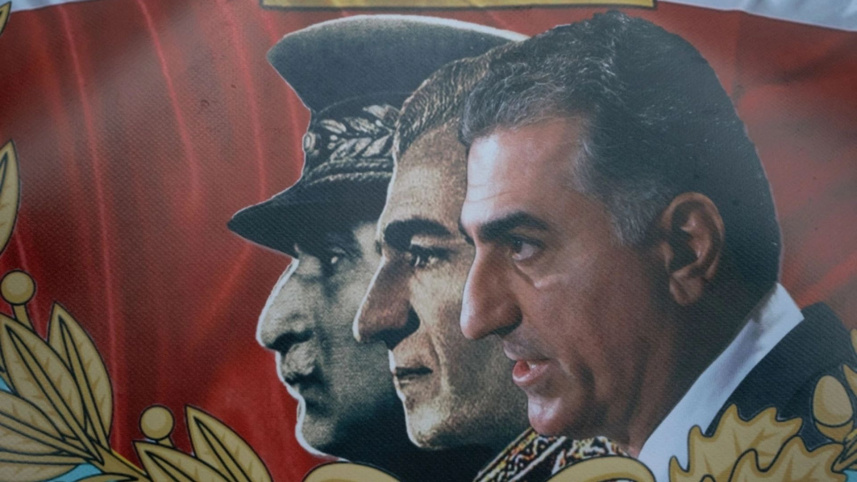
As Iran navigates war, sanctions and domestic unrest, an old political spectre has resurfaced -- the Pahlavi dynasty.
Across parts of the Iranian diaspora and in pockets of protest discourse, the name Reza Pahlavi, son of Iran’s last shah, has re-emerged as a possible stopgap in political transition. The discussion also reflects a deep frustration with the Islamic Republic and yet, it raises a complicated question. Can a monarchy that collapsed nearly half a century ago still shape Iran’s political imagination?

The dynasty began with Reza Shah Pahlavi, a military officer who rose through the Persian Cossack Brigade before staging a coup in 1921.
By 1925 Iran’s parliament had crowned him shah, establishing the Pahlavi monarchy.
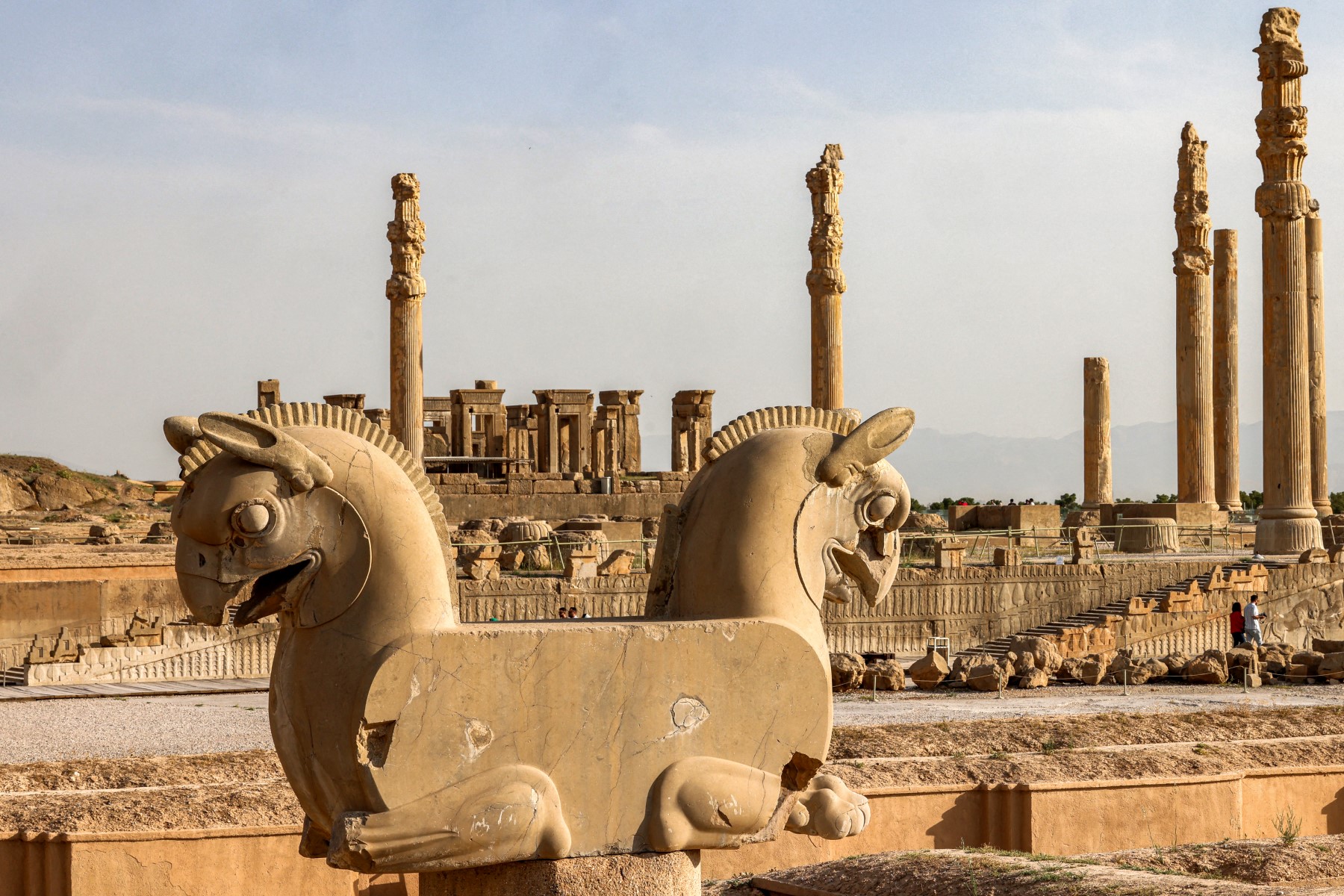
Reza Shah sought to transform a fragmented state into a modern nation. His government expanded the army, built national infrastructure such as the Trans-Iranian Railway and introduced secular legal reforms.
In 1936 he imposed one of his most controversial policies -- banning the Islamic veil in public life in an effort to westernise Iranian society. The move angered religious communities and deepened tensions between modernising elites and conservative clerics.
The dynasty’s first upheaval came during World War II when British and Soviet forces invaded Iran in 1941 and forced Reza Shah to abdicate. His son Mohammad Reza Pahlavi became shah at just twenty-two.
The defining moment of his reign arrived in 1953.
Prime Minister Mohammad Mosaddeq had nationalised Iran’s oil industry, previously controlled by the British. In response, the United States and Britain orchestrated a covert operation -- Operation Ajax -- to remove Mosaddeq and restore the shah’s authority. The coup involved propaganda campaigns, bribery of political figures and organised street protests. Mosaddeq was arrested and the shah returned to power.
This episode fostered lasting resentment towards Western influence in Iran.
During the 1960s the shah launched the White Revolution, a sweeping reform programme including land redistribution, women’s suffrage and mass literacy campaigns.
The reforms accelerated industrialisation and expanded education. Tehran’s cultural scene flourished, and by the 1970s, Western observers often described the capital as the “Paris of the Middle East”.
Yet political freedom remained limited.
The monarchy relied on the intelligence service SAVAK, accused of surveillance, repression and torture of dissidents. Combined with economic inequality and anger among religious leaders, the shah’s authoritarian rule steadily eroded public support.
Mass protests erupted across Iran in 1978.
Security crackdowns only intensified the unrest. On January 16 1979 the Shah fled Iran and months later a national referendum abolished the monarchy and established the Islamic Republic under Ayatollah Ruhollah Khomeini.
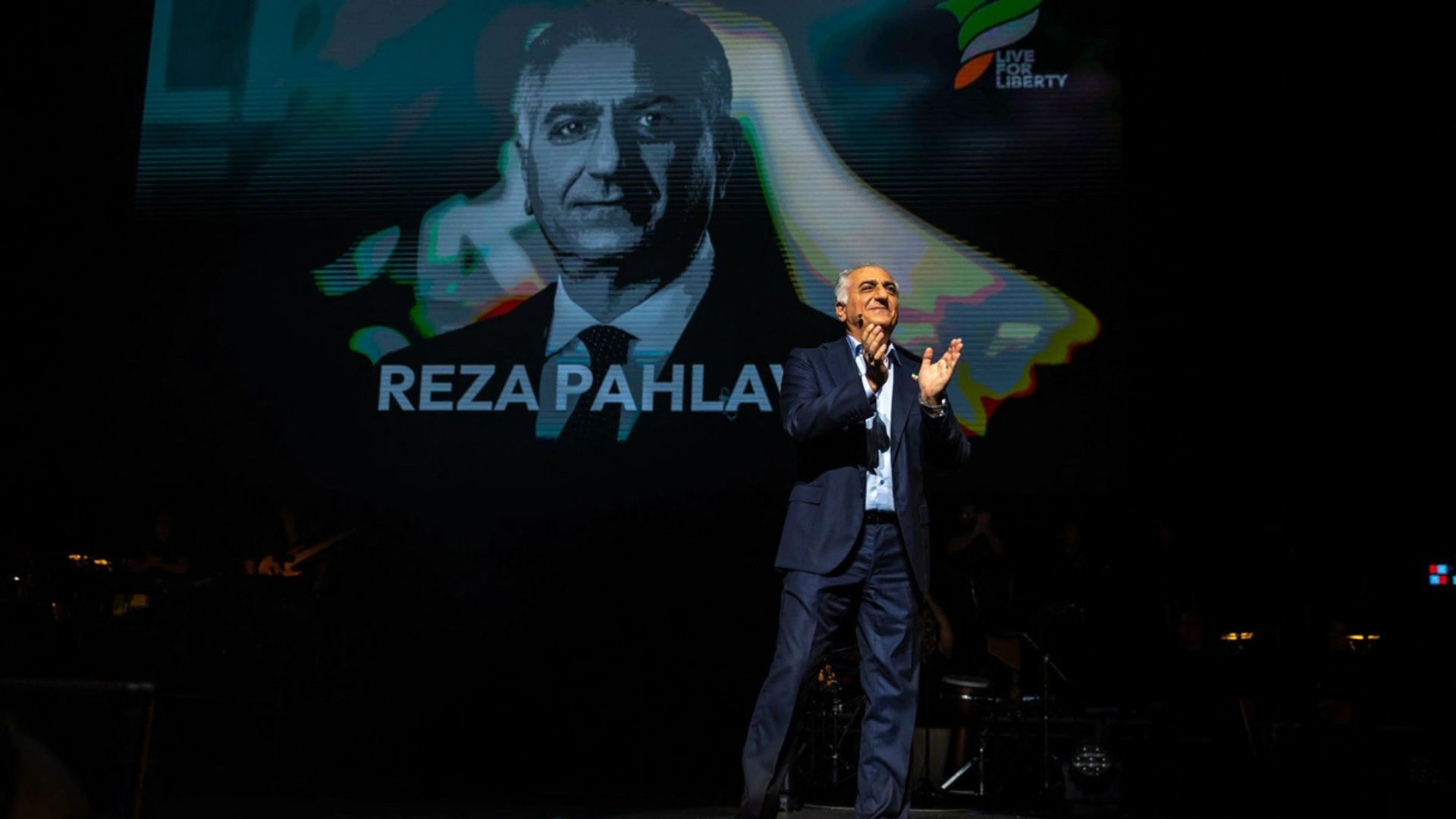
The shah died in exile in Egypt in 1980, bringing the Pahlavi era to a close. His heir, Reza Pahlavi, has lived in the United States since the revolution. Over the years he has repositioned himself not as a monarch-in-waiting but as an advocate for democratic transition and a referendum on Iran’s future political system.
 For all latest news, follow The Daily Star's Google News channel.
 Still, his influence inside Iran remains difficult to measure due to political restrictions and the absence of reliable polling.
Recent protests in Iran have revived the Pahlavi name. Some demonstrators have invoked the former monarchy while criticising the Islamic Republic, though analysts caution that such slogans often reflect anger at the present system rather than organised royalist support.
The current conflict involving Iran, Israel and the United States has intensified that debate.
Reza Pahlavi has argued that sustained pressure on the Islamic Republic could eventually open the door to political transition, positioning himself as a possible unifying figure for a post-regime Iran. But the return of the Pahlavis remains uncertain.
Inside Iran there is no organised royalist movement, and opposition groups remain fragmented. Many activists favour a secular republic rather than a restored monarchy. Analysts cited by Reuters and The Guardian suggest the Pahlavi name functions more as a symbol within Iran’s broader political struggle than as a realistic pathway back to the throne.
Nearly five decades after the revolution, the dynasty continues to evoke competing, and perhaps defining, memories—modernisation for some, authoritarianism for others.
Comments