


Garment exporters meet PM, demand uninterrupted power supply
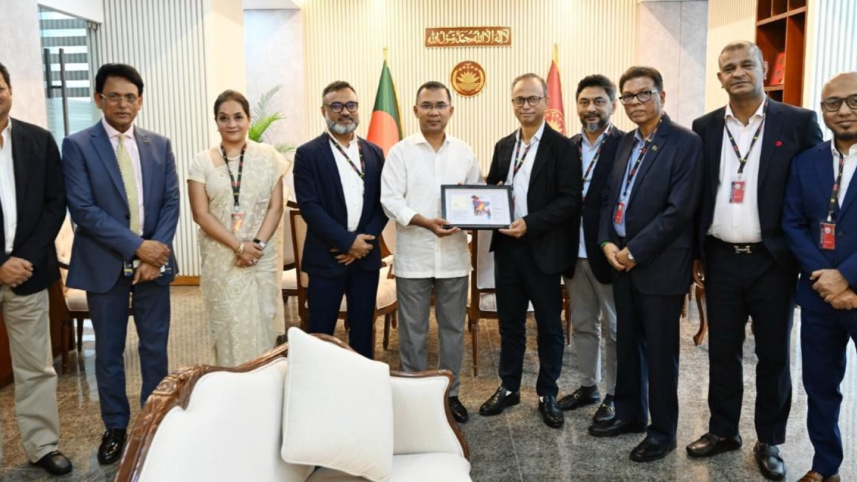
Garment exporters today urged the government to ensure uninterrupted power and energy supply, quick release of export receipts from banks, reopening of closed factories, and easing of customs rules.
Leaders of the Bangladesh Garment Manufacturers and Exporters Association (BGMEA) and the Bangladesh Knitwear Manufacturers and Exporters Association (BKMEA) made the demands at a meeting with Prime Minister Tarique Rahman at his secretariat office in Dhaka.

In separate meetings with the two trade bodies, the prime minister listened to the problems and challenges they face in running their businesses.
After the meeting, BGMEA President Mahmud Hasan Khan said they discussed export diversification within the garment sector, reopening of closed factories, and the struggles many factories face for survival.
Regarding factory reopening, Khan said a total of 104 factories have informed the BGMEA about their closure so far. The BGMEA will scrutinise the cases of closed factories to identify the genuine reasons for the shutdowns.
Following the scrutiny, the association will send recommendations for reopening those factories, as the government is working to open a Tk 20,000 crore fund to assist in their revival.
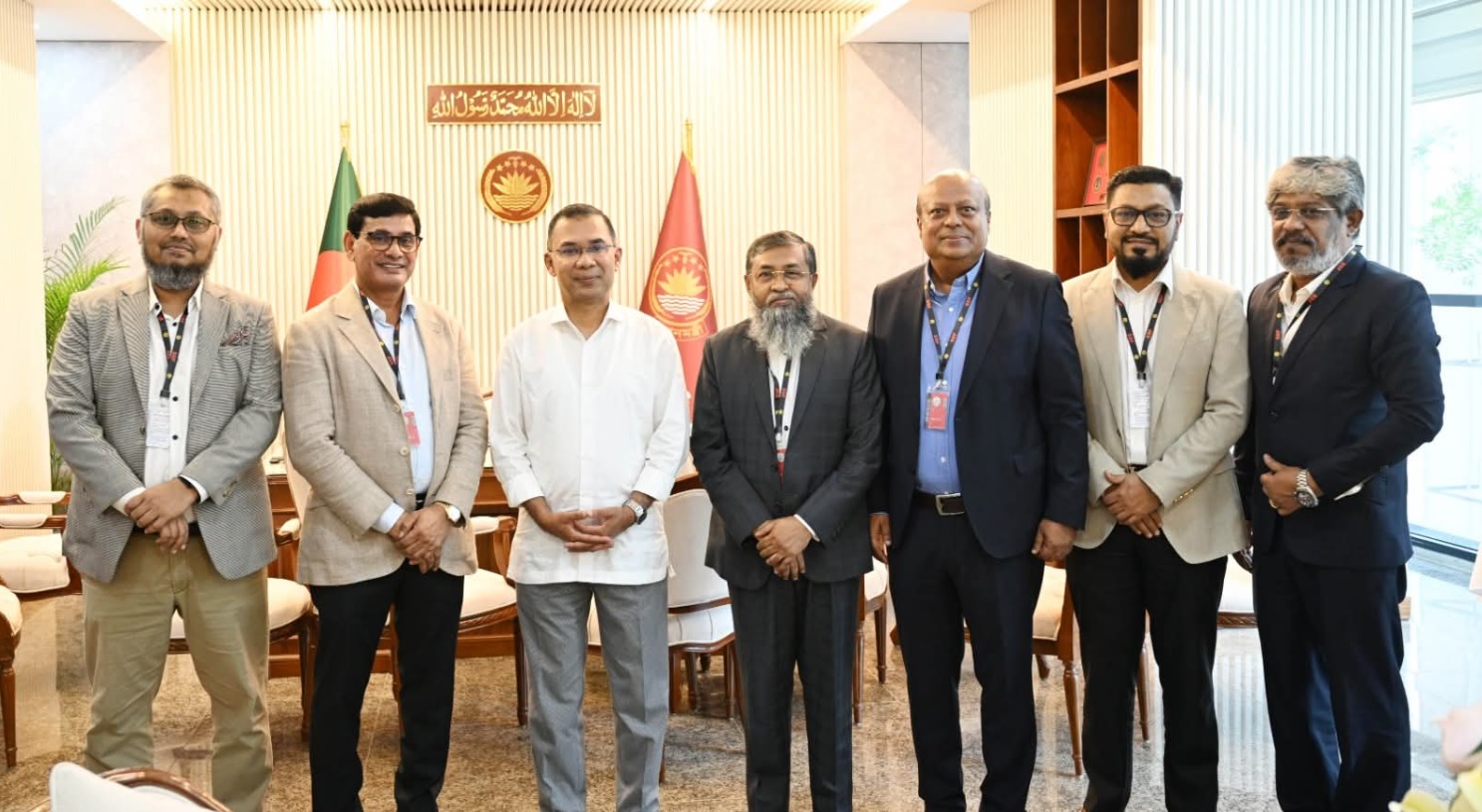
BKMEA President Mohammad Hatem said they thanked the prime minister for taking the initiative to defer Bangladesh’s graduation from the least developed country (LDC) category for three more years.
The BKMEA also welcomed the government’s amendment of the labour law to meet international standards, as demanded by global stakeholders.
Hatem noted that some 400 factories were closed in the last three years, nearly 300 of them due to non-cooperation from banks.
He explained that banks release export receipts to exporters’ lien accounts, but delays in payment often force loans into default, leaving exporters unable to pay suppliers on time.
He also demanded uninterrupted supply of power and gas to industrial units, as recent shortages of fuel oil have severely affected productivity.
Hatem further raised concerns about misuse of the bond facility and urged action against violators of bond licences.
Additionally, he called for easing the rules of the National Board of Revenue (NBR), particularly customs procedures, to smoothen export and import processes and reduce lead times.
He stressed that complex and time-consuming customs procedures have deterred both domestic and foreign direct investment.
Commerce Minister Khandakar Abdul Muktadir was present in both the meetings.
 For all latest news, follow The Daily Star's Google News channel.
Comments