


Richest farmers get half of fertiliser subsidies in Bangladesh: World Bank
The top 20 percent of landholders receive about half of all fertiliser subsidy benefits in Bangladesh, while the bottom 40 percent receive only 15 percent, according to a World Bank report unveiled today.
The report said fertiliser subsidies remain the largest form of agricultural support, accounting for about 80 percent of the Ministry of Agriculture’s budget.

These subsidies have helped farmers maintain production and price stability. However, as the subsidy is linked to the amount of fertiliser purchased, farmers with more land receive a larger share of the benefits, said the report, Repurposing Agricultural Public Spending for Quality Growth and Jobs in Bangladesh’s Agrifood System.
The World Bank finds that Bangladesh places high priority on agriculture, allocating about 10 percent of total public spending to the sector.
“Yet, agricultural growth has slowed, productivity gains have weakened, and diversification into higher-value products has lagged, even as consumer demand shifts towards fruits, vegetables, protein-rich foods and processed foods.”
The report said a large share of Bangladesh’s spending goes to subsidies and rice-related support, while areas critical for improving farm productivity and incomes, such as research, advisory services, irrigation, market access and climate resilience, remain underfunded.
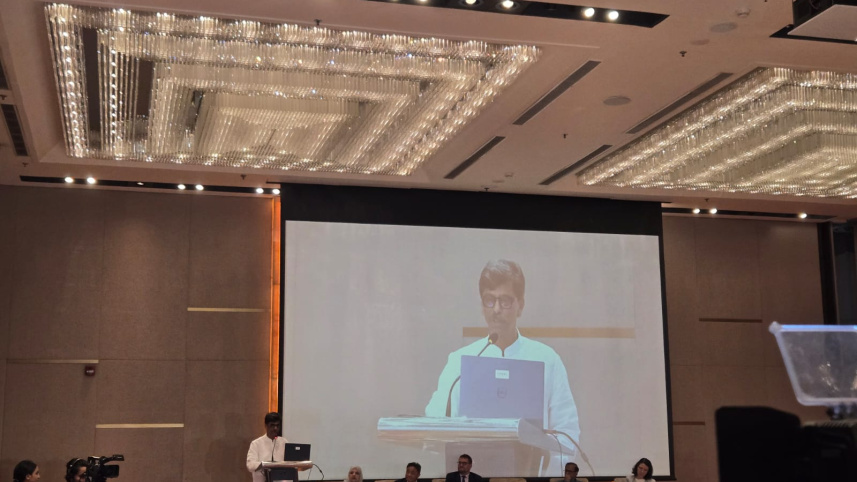
The report, launched at an event at Sheraton Dhaka, also found that fertiliser use remains highly imbalanced, with only about 5 percent of farmers applying a balanced mix of nutrients within recommended ranges.
According to the report, correcting this imbalance could substantially raise yields and improve productivity.
“Agriculture is central to Bangladesh’s development, job creation, and poverty reduction. But climate risks, shifting consumption patterns, tighter fiscal space, and rising price and supply disruptions of fertilisers due to the Middle East conflict are exposing gaps in policies and spending,” said World Bank Division Director for Bangladesh and Bhutan Jean Pesme.
“The good news is there is a clear path forward. By modernising support delivery and gradually rebalancing agriculture spending towards high-return investments, Bangladesh can build a more resilient and productive agri-food system that delivers more and better-paid jobs,” he said.
The report said public spending is also heavily skewed towards rice production, which discourages diversification.
Rice occupies around 72 percent of cultivated land and receives about 80 percent of subsidy benefits, even though high-value subsectors such as livestock, fisheries, vegetables and agro-processing offer stronger opportunities for income growth and employment.
The World Bank recommended a series of reforms, including expanding soil testing, strengthening farmer advisory services, and rolling out the Farmer’s Card and e-voucher so that agricultural spending reaches poorer and climate-vulnerable areas.
It said better delivery of support could gradually free up resources for investments that raise productivity, support higher-value agriculture and benefit poor farmers.
“Modernising fertiliser subsidy design and delivery offers a significant opportunity to save foreign exchange, increase agricultural productivity, improve soil health, and ensure that support reaches the farmers who need it most,” said Mansur Ahmed, senior economist at the World Bank and co-author of the report.
 For all latest news, follow The Daily Star's Google News channel.
Comments