


Bangladesh's absence from Cannes jarring after previous inroads

“I hope to see Bangladeshi films here every single year,” Marie Masdupuy, French ambassador to Bangladesh, remarked during an evening reception at her residence in Dhaka last year. We had gathered to celebrate Adnan Al Rajeev’s “Ali” being selected for the Short Film Competition at the 78th Cannes Film Festival.
While the team naturally tempered expectations, the ambassador described the nomination itself as a victory. When “Ali” eventually received a Special Mention, it felt like a breakthrough moment for Bangladeshi cinema. At Cannes, a Special Mention signals that a film has survived one of the world’s most demanding selection processes and come within touching distance of the top prize. More importantly, it proved that Bangladeshi filmmakers could compete on cinema’s biggest stage.
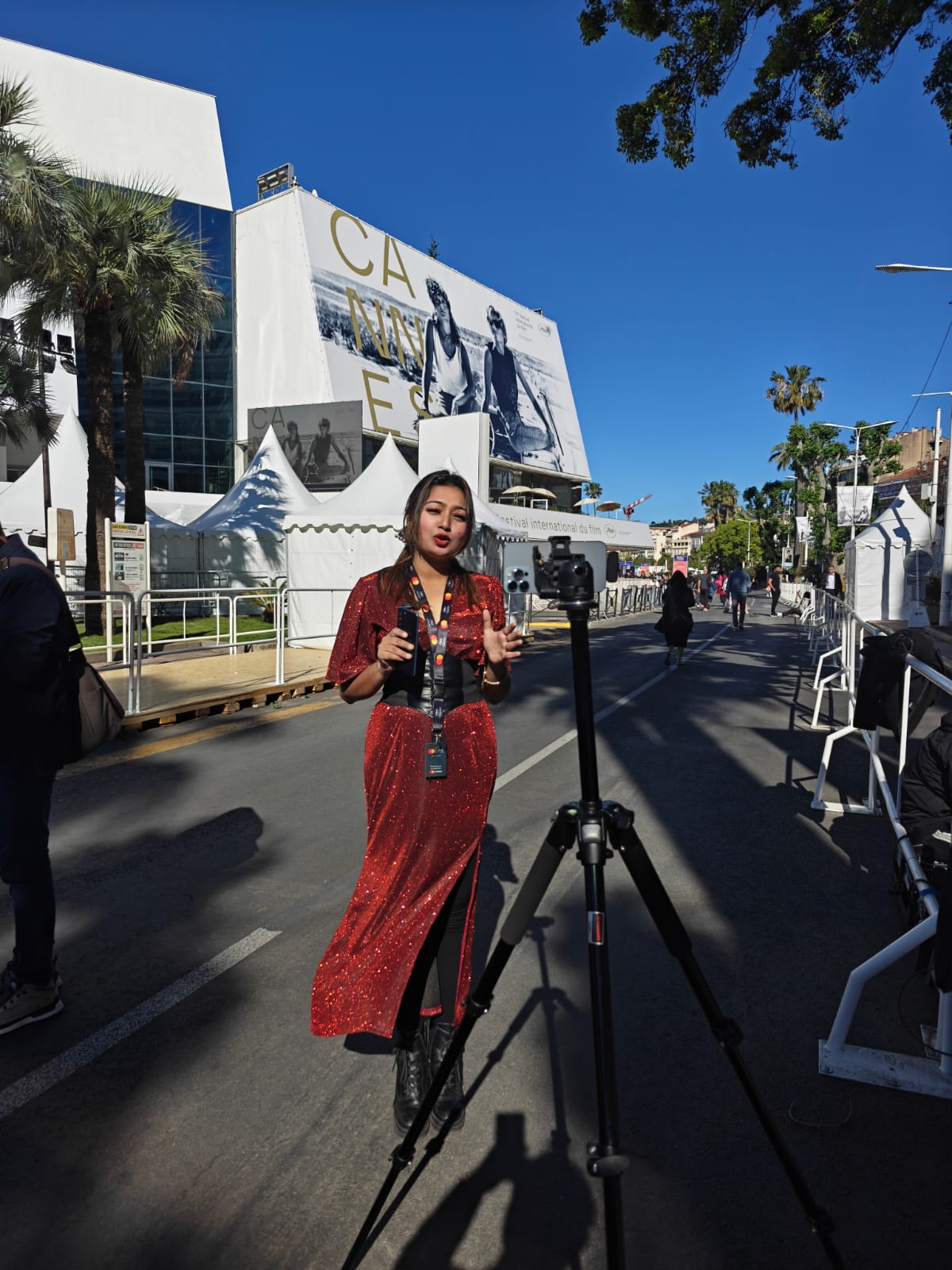
Yet, standing on the Croisette today for the opening of the 79th Cannes Film Festival, that optimism feels difficult to sustain. Instead of building on last year’s momentum, Bangladesh has arrived at Cannes with almost no institutional presence at all. The talent exists, but the infrastructure behind it remains fragile.
This absence feels particularly striking because this year’s Cannes offers a rare opening for emerging film industries. With several major American studios scaling back their traditional Cannes footprint in favour of platform-first launches and domestic campaigns, the festival’s attention has shifted more heavily toward international and independent cinema.
Japan, this year’s Country of Honour, has emerged as a major focal point of the festival, while Asian cinema more broadly occupies an increasingly central role in the global conversation. The red carpets remain glamorous, but the emphasis this year appears more aligned with regional industries, co-productions, and auteur-driven storytelling than with Hollywood spectacle.
On my flight to France, I found myself seated beside Indian producer Yusuf Shaikh of Janta Cinemas, an initiative working to convert community centres across India into cinema halls.

Shaikh was not travelling to Cannes with a film in competition, nor with a major market title to launch. He had come, as he described it, for “recon work” — to observe trends, build relationships, and understand where global cinema markets were heading.
At one point during the journey, he asked me a simple question: Why wasn’t Bangladesh making a more concentrated effort to market its films at Cannes?
The question lingered with me after landing on the Croisette because it exposed a striking contrast in mentality. Even without an official selection, producers from neighbouring industries still view Cannes as a strategic space worth occupying. For Bangladesh, however, participation too often remains tied solely to the rare moment of festival recognition rather than to long-term industry presence.
However, the Bangladeshi spirit remains resilient in a specialised arena of the festival. This year, the Cannes Docs section—a prestigious hub for non-fiction storytelling—is showcasing a powerful delegation of four projects that prove our narrative voice still exists. Under a strategic French-supported initiative, projects like “Opekkha” by Kazi Arefin Ahmed, “Blue-Collars from the Frontline” by Citto Aanondi (Sumaiya Binte Selim), “In Search of Her” produced by S M Kamrul Ahsan, and “My Cousin” by Sumon Delwar are currently being pitched to global distributors and programmers.
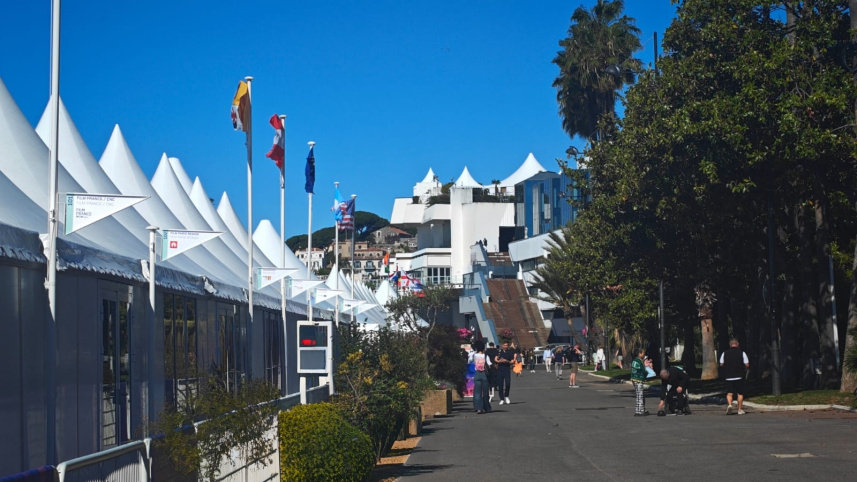
Walking through the Village International as the Marché du Film opened, the absence of a Bangladeshi pavilion felt impossible to ignore. These pavilions are not symbolic decorations; they are working spaces where producers meet distributors, festivals discover projects, and co-production deals take shape.
The problem is not entirely new. Years earlier, journalist Mahmud Manjur memorably described Bangladesh’s Cannes presence as a “ghost pavilion” — a neglected space lacking both coordination and visibility. Today, even that minimal presence has disappeared.
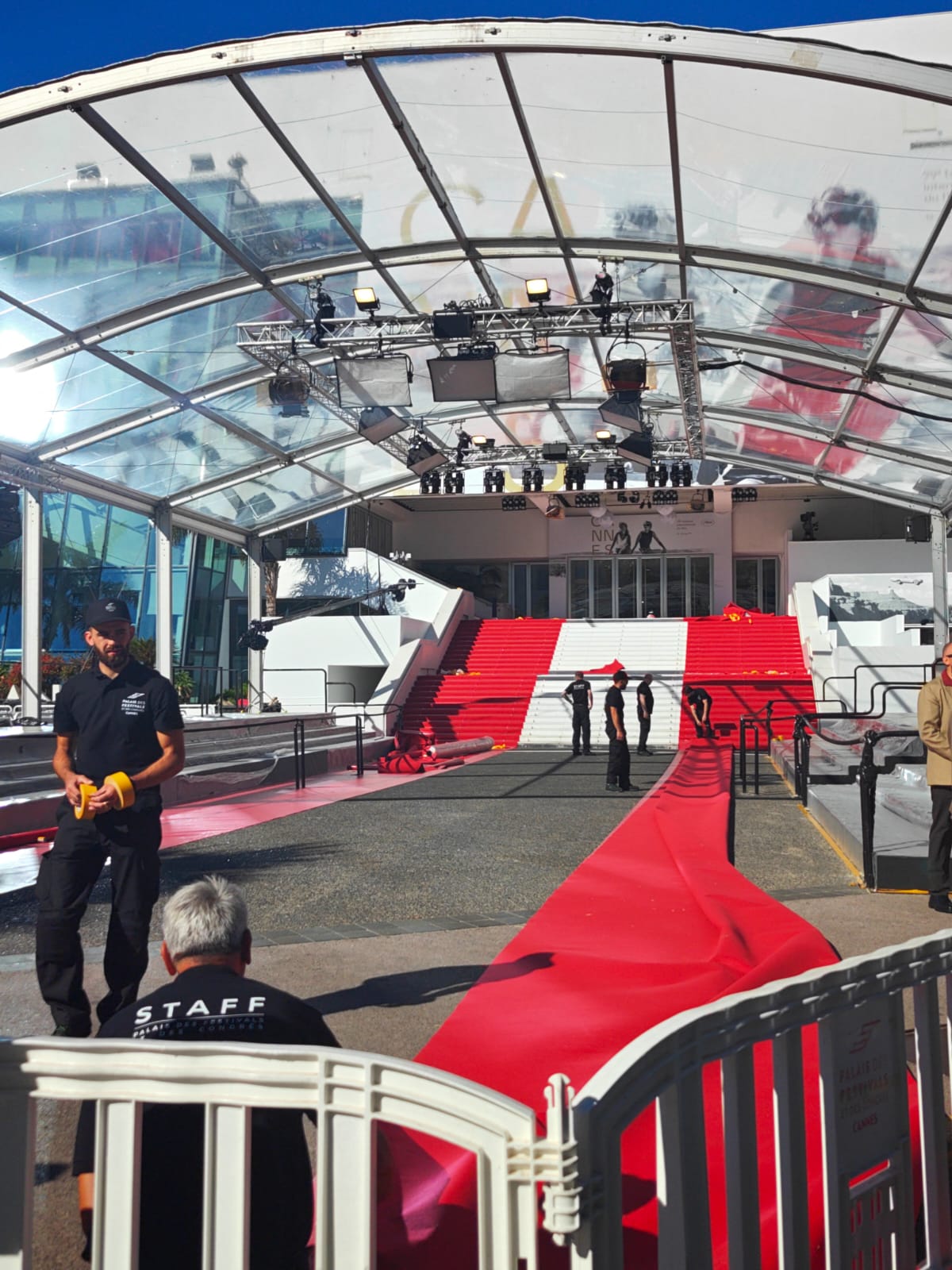
The contrast with other countries is stark. Japan has built a large-scale presence around its status as Country of Honour, using the platform to promote new projects and strengthen industry partnerships. South Korea continues to operate one of the market’s most active hubs for international sales and genre cinema, while India’s pavilion remains crowded with filmmakers, buyers, and regional productions seeking global crossover opportunities.
Beyond the traditional powerhouses, emerging industries are also investing heavily in visibility. Saudi Arabia and Jordan are using expansive pavilions to position themselves as major co-production destinations. Nepal, despite its comparatively limited resources, has maintained a visible presence for its filmmakers and producers within the market.
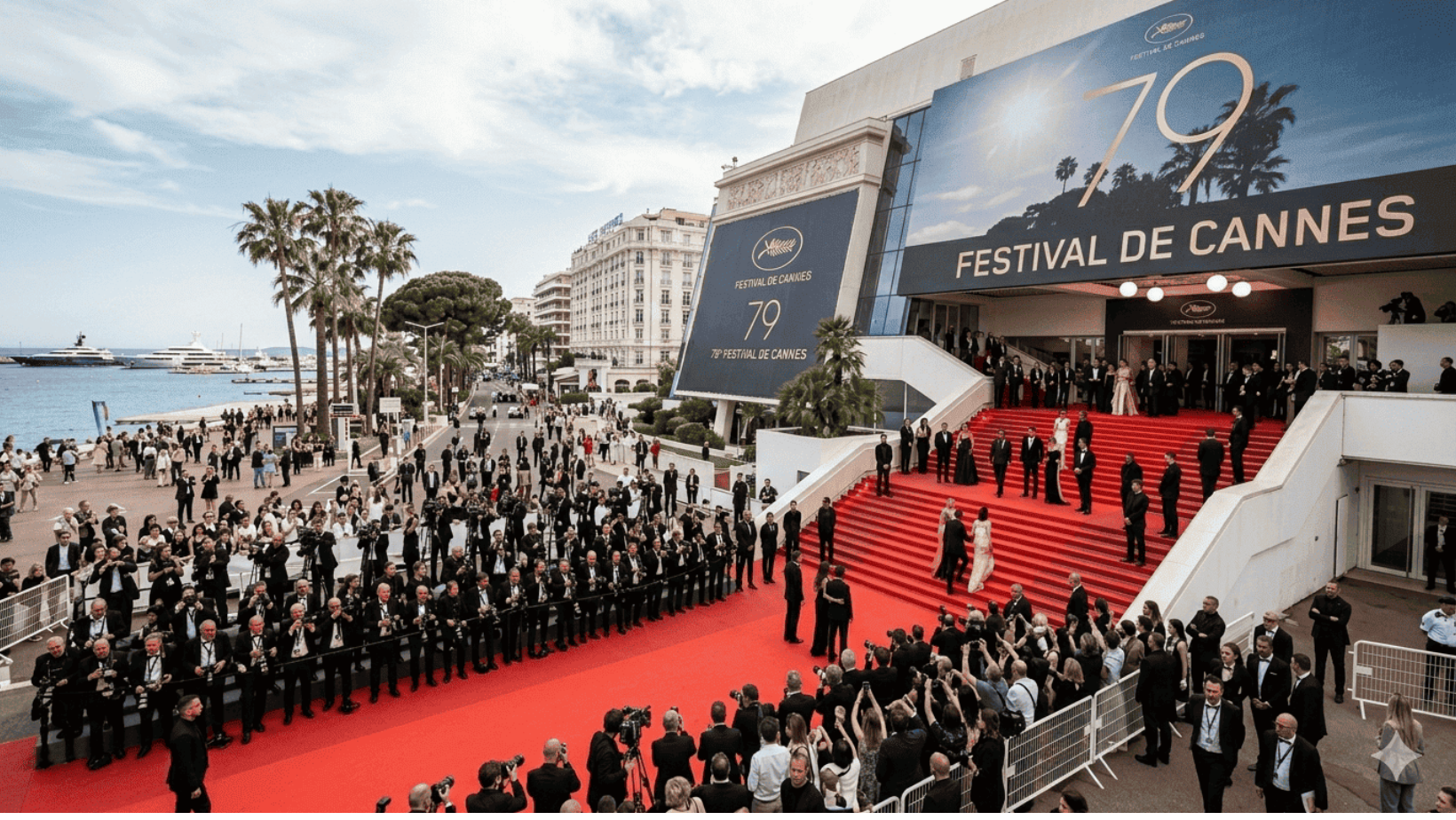
From European collective initiatives to the focused hubs of Nigeria and Brazil, these countries understand something Bangladesh still struggles to recognise: at Cannes, visibility is infrastructure.
This makes Bangladesh’s absence feel even more frustrating because the country has already demonstrated that it can produce internationally respected cinema. Films like “Rehana Maryam Noor” and “Ali” proved that Bangladeshi stories can travel beyond national borders. What remains missing is the institutional framework capable of sustaining that momentum.
Without a consistent presence at Cannes, Bangladeshi filmmakers remain dependent on isolated breakthroughs rather than long-term industry integration. There is no stable point of contact for distributors, festival programmers, or international collaborators looking to engage with Bangladeshi cinema.
Yet the conversation around Bangladesh’s absence is not entirely one-sided. Actress Azmeri Haque Badhan argued that international festivals themselves are not always free from structural biases. Speaking about the regional festival circuit, she suggested that once a film from a particular country or region gains visibility, programmers can sometimes become less inclined to consider additional entries from the same space in subsequent years, treating representation itself as a box already checked.
At the same time, Bangladesh’s own film ecosystem has occasionally contributed to confusion surrounding international recognition. Within the local industry, screenings at Cannes’ parallel market spaces are sometimes publicly framed as official festival selections, despite many such screenings being independently rented showcases rather than entries chosen by Cannes’ competitive programming sections.
The distinction matters. Genuine festival selections build long-term credibility for a national cinema, while inflated claims risk weakening international trust and obscuring the real achievements of filmmakers who do break through legitimately.
That reality becomes even clearer amid this year’s broader conversations at Cannes. Jury President Park Chan-wook emphasised the importance of preserving cinema’s human dimension at a time when artificial intelligence increasingly dominates industry discussions. Across the Palais, conversations about authenticity, locality, and personal storytelling have become central to the festival’s identity.
In many ways, this environment should favour Bangladeshi cinema, which has often drawn its strength from intimate, human-centred storytelling rooted in social reality rather than industrial spectacle.
Yet Bangladesh remains largely absent from the institutional spaces where these conversations are being converted into funding, partnerships, and distribution networks.
Last year, “Ali” showed that Bangladeshi cinema could earn recognition at Cannes. The challenge now is whether the country can build an industry presence strong enough to ensure that such successes become part of a sustained trajectory rather than isolated moments of celebration.
Because Cannes not only reward films. It rewards industries capable of showing up consistently, visibly, and with purpose.
The author is Entertainment Editor at The Daily Star.
 For all latest news, follow The Daily Star's Google News channel.
Comments