


Four Bangladeshi hopefuls fighting for their films in Cannes

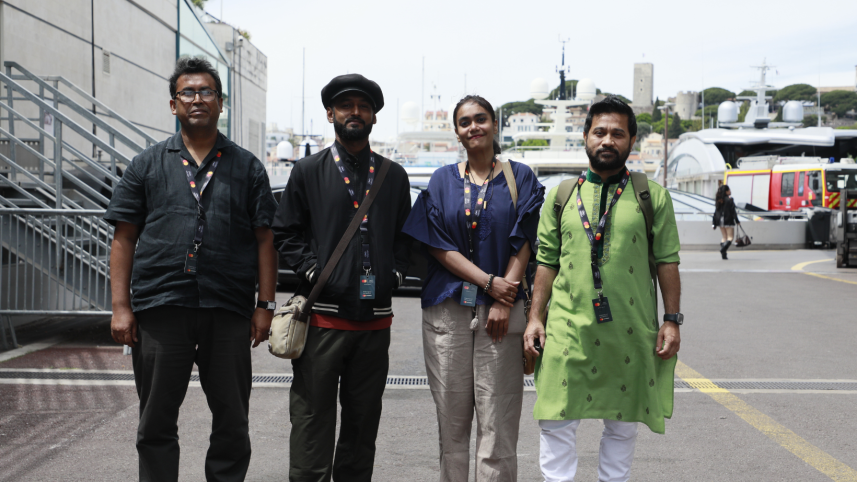
Even though my column reads “Dhaka at the Palais”, this particular story is from Chattagram, particularly from Alliance Française Chittagong. Four filmmakers—Kazi Arefin Ahmed, Citto Aanondi, S M Kamrul Ahsan, and Sumon Delwar—are currently standing on the sun-drenched, caffeine-fueled precipice of the global documentary industry.
The Palais des Festivals is a place of brutal binaries. On one side of the red carpet, there is the performative glitz of the Official Selection. On the H4 hub of Cannes Docs, there is the grit of the Marché du Film. This is where the ‘real’ cinema is born, in fifteen-minute windows of desperate, high-stakes negotiation.
These four directors aren’t here to walk the carpet; they are here to fight for the survival of their stories.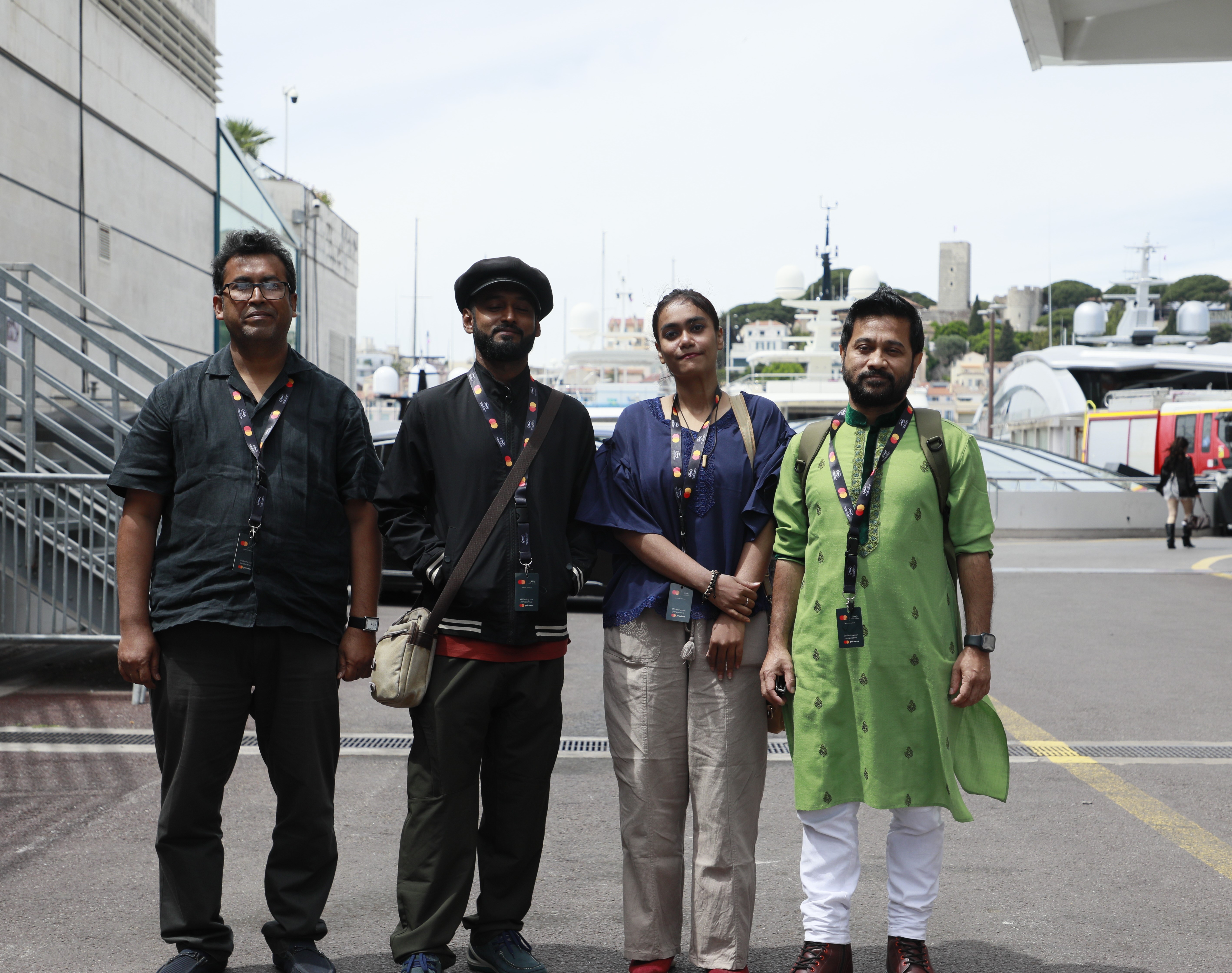
The delegation arrived under the stewardship of Bruno Lacrampe, the chief of Alliance Française Chittagong. In a landscape as notoriously gatekept as Cannes, having a mentor who understands the French institutional machine is the difference between a project being seen and being buried.
The projects themselves represent a seismic shift in how Bangladesh tells its own story. There is no "poverty porn" or “woe is me” narrative here, just a sophisticated take on grief, taboo, and beyond.
Take Kazi Arefin Ahmed’s "Opekkha". Arefin has already proven his mettle with a short film on this same premise, earning the prestigious FIPRESCI award. “Honestly, my project scales a personal tragedy, the slow, agonising erasure of my grandmother’s memory via dementia, as her visa is rejected and she is unable to see her children.” That tragedy is molded into a feature-length documentary requires a different kind of endurance. It is a race against time, both narratively and literally. In the booths of the Marché, Arefin is pitching for the "bigger scale," looking for the international co-production that will allow this intimate family portrait to travel across borders his grandmother was denied. Arefin is irrevocably confident about his film’s personal nature resonating as a universal one.
Sumon Delwar’s "My Cousin" is a film that strikes at the heart of a silent crisis. By documenting his own cousin’s return to a village with an HIV-positive diagnosis, Delwar is stripping away the layers of social stigma and the "economic hero" narrative surrounding migrant workers. “The portrayal is raw, uncomfortable,” said Sumon, “but is completely necessary. As a Bangladeshi filmmaker, this platform amplifies our chance to reach a global stage. As my film is 70 percent complete, I need funding for the post-production.”
The investigative weight of the delegation lies with S M Kamrul Ahsan’s "In Search of Her". “Following two Dutch adoptees back to the soil of Bangladesh, the project isn't just a quest for roots; it is an indictment of a hidden history of stolen children,” he said. It is the kind of transnational story that European broadcasters like ARTE are built for, linking the Global South to the West through an uncomfortable shared history.
Rounding out the quartet is Citto Aanondi’s "Blue-Collars from the Frontline". This is a multi-generational epic that reframes the "frontline" not as a battlefield of men, but as a field of survival anchored by three generations of women. It is cinematic anthropology at its most ambitious.
The path to these meetings hasn't been smooth. These cinemen were vying for "Sunny Side of the Doc" festival in La Rochelle, the documentary world’s version of a closing argument, being postponed or cancelled earlier this year. However, Alliance Française de Chittagong chief ensured their participation with a collaboration with Bisubo Art Organization and supported through the French PICC grant.
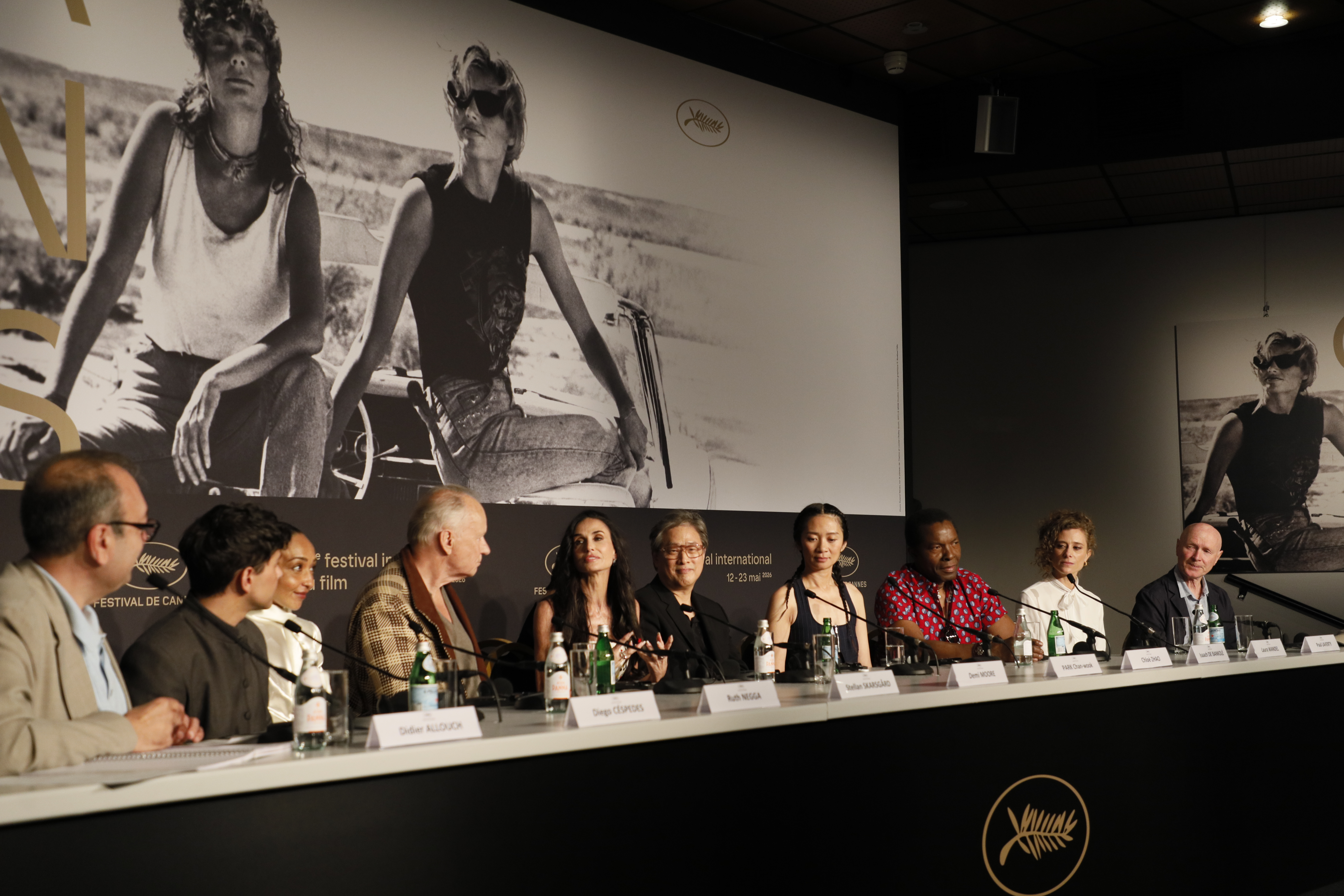
What I see in these four filmmakers is a gritty prowess—a refusal to let their stories be sidelined as mere "reports" from the Global South. They are talking to the world’s most influential producers on equal footing, armed with the vocabulary of international co-production and the backing of a French institutional bridge.
As the sun sets over the Croisette, the red carpet is being rolled out for a gala screening I will also attend. However, my heart also lies in the basement of the Riviera, where four voices from Bangladesh are currently convincing the world that our stories are worth more than a headline. They are fighting for the funding, for the distribution, and for the right to be seen. And if the energy in those meeting rooms is any indication, they aren't just fighting—they’re winning.
The author is the Entertainment Editor at The Daily Star.

 For all latest news, follow The Daily Star's Google News channel.
Comments