


Christopher Nolan revisits glory, guilt and the ghosts of war in ‘The Odyssey’

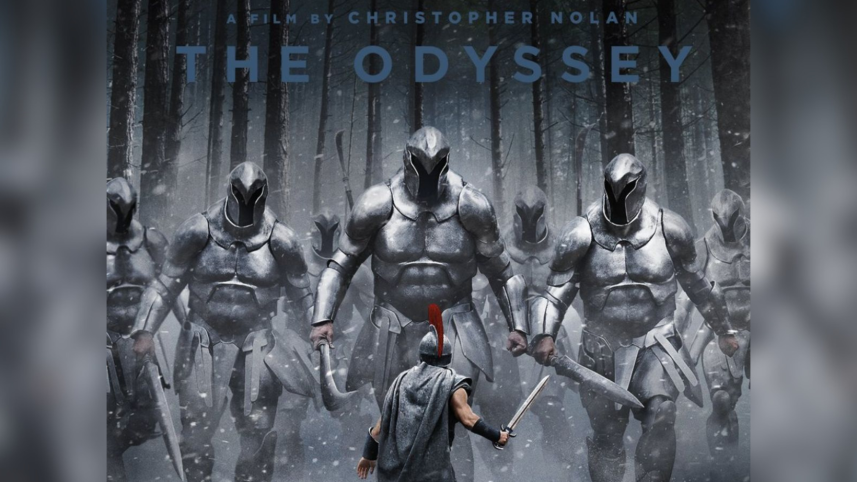
Christopher Nolan’s “The Odyssey” arrives carrying the kind of weight few films dare to embrace. It is an adaptation of one of humanity’s oldest stories, an epic that has shaped the language of adventure, heroism and homecoming for nearly three millennia. Yet Nolan, a filmmaker who has spent his career exploring fractured identities, impossible choices and the consequences of human ambition, finds something deeply familiar within Homer’s ancient epic. Beneath the gods, monsters and mythical seas lies a story about a man haunted by what he has done and a civilisation struggling to understand the price of its victories. The surprise of Nolan’s “The Odyssey” is how naturally the filmmaker fits into Homer’s world. The director, known for time-bending narratives, practical filmmaking and emotionally burdened protagonists, seems almost destined to encounter Odysseus, another brilliant but flawed man attempting to find his way back home after changing the world around him forever.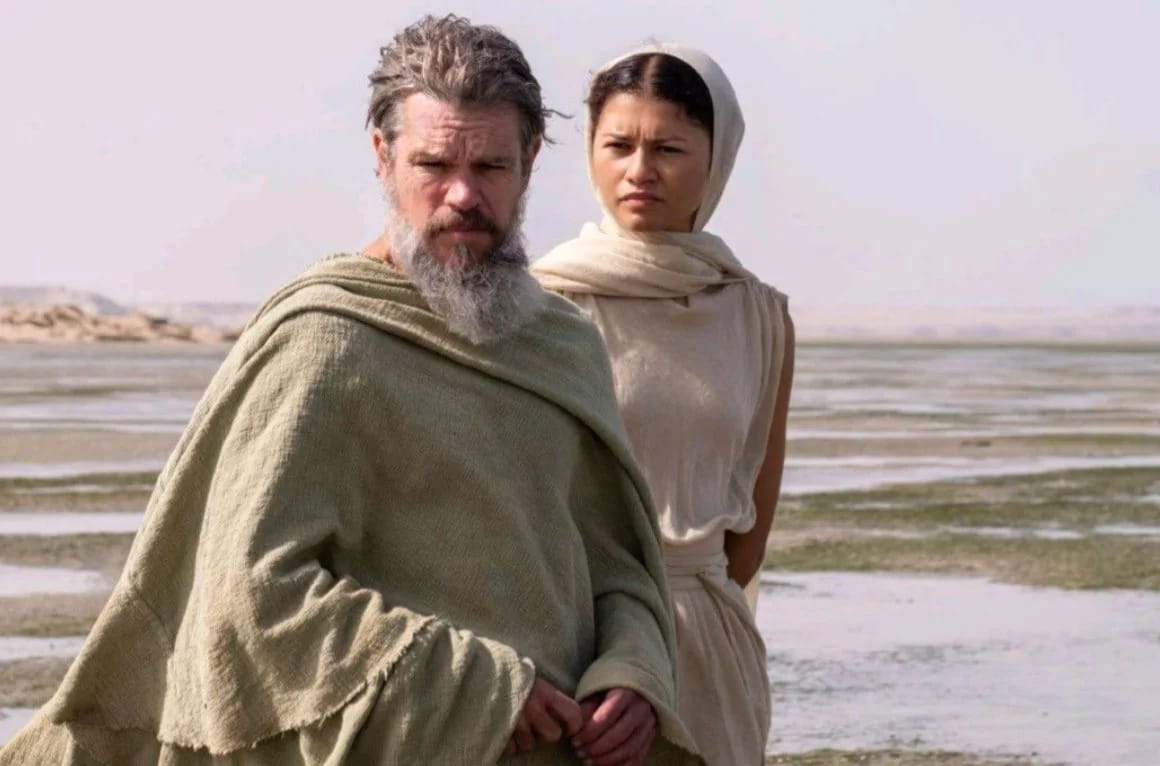
The film begins in the middle of a story already in motion, embracing Homer’s own approach to storytelling. Nolan and editor Jennifer Lame transform time into something fluid, where memories, battles and consequences exist alongside each other rather than in a simple sequence. The structure mirrors Odysseus himself: a man trying to understand his past while surviving the present. Like Penelope weaving and unweaving her famous shroud, Nolan builds and rebuilds his narrative threads until separate moments begin to reveal their hidden connections. For all its complexity, the emotional foundation remains surprisingly simple. Odysseus (Matt Damon) wants to return to Ithaca. After twenty years away, fighting the Trojan War and wandering through impossible landscapes, he finds that home has become a memory as much as a destination. His wife, Penelope (Anne Hathaway), waits beneath the pressure of unwanted suitors, while his son, Telemachus (Tom Holland), searches for a father he barely remembers.
Damon’s interpretation of Odysseus reflects Nolan’s greatest departure from Homer. The original hero is famous for his cunning, deception and ability to outsmart enemies through intelligence. Nolan’s Odysseus carries a different burden. He is a warrior who has begun to question the cost of his own victories. The Trojan Horse, the brilliant strategy that ended a devastating war, becomes less a symbol of triumph and more a reminder of the destruction caused by human ingenuity. This places the film in conversation with Nolan’s earlier works. Like “Oppenheimer”, it examines the responsibility of creating something powerful enough to change history. Like “Dunkirk”, it views war through the lens of survival rather than glory.
Odysseus is a legendary figure, yet Nolan is more interested in the exhausted man beneath the legend. This approach creates both the film’s greatest strength and its most debated choice. Nolan turns a mythological trickster into a modern cinematic hero defined by guilt, trauma and redemption. Some of the sharper edges of Homer’s character are softened, making him more emotionally accessible while shifting the story away from the uncomfortable contradictions of the ancient hero. The result feels unmistakably Nolan: a brilliant man wrestling with the consequences of his own brilliance.
Where the film truly becomes extraordinary is in its marriage of myth and physical reality. Nolan treats Homer’s fantastical world with the seriousness of a historical epic. The Cyclops feels less like a fantasy creature and more like an ancient nightmare emerging from the landscape. The encounter transforms a familiar monster into something almost existential: a force of nature barely aware of humanity’s existence. The Circe sequence, led by Samantha Morton, is among the film’s most unforgettable achievements. Her transformation of Odysseus’ men into beasts becomes both a horrifying spectacle and a reflection of war’s ability to strip humanity away. Morton brings anger, intelligence and sadness to a character who could easily have become a simple villain. Instead, Circe becomes another voice questioning the violence men carry into the world.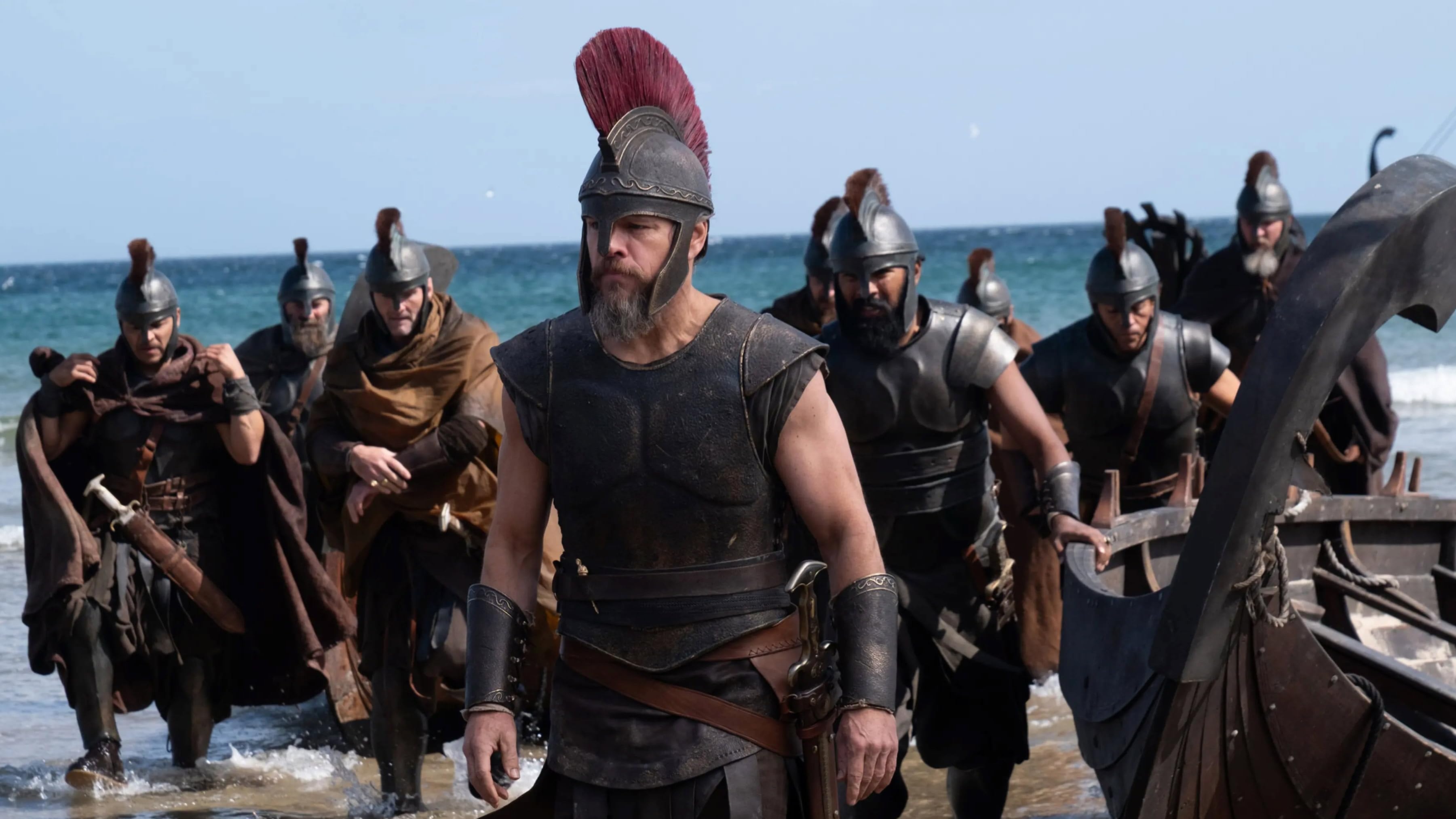
Nolan’s commitment to physical filmmaking gives “The Odyssey” a rare sense of weight. Shot entirely in IMAX, the film turns oceans, ships and ancient landscapes into overwhelming cinematic experiences. Hoyte van Hoytema’s photography captures a world that feels harsh, enormous and alive. The Trojan Horse sequence, the violent storms and the mythical encounters carry the texture of something built rather than digitally assembled. The supporting cast adds richness to the epic scale. Hathaway’s Penelope is one of the film’s emotional anchors, portraying a woman defined by patience, intelligence and quiet strength. Robert Pattinson embraces the theatrical arrogance of Antinous, creating a villain audiences will enjoy despising. John Leguizamo brings warmth and humanity as Eumaeus, whose loyalty provides some of the film’s most touching moments. Zendaya’s Athena appears as a mysterious presence hovering between divine intervention and psychological reflection.
One of Nolan’s most interesting decisions is how restrained the gods feel. Homer’s deities are dramatic, unpredictable forces constantly interfering with human lives. Here, they exist almost as questions. Are they real beings shaping destiny, or are they manifestations of human hope, fear and guilt? Nolan leaves that uncertainty hanging in the air. The film’s ambition occasionally creates distance. Its dense opening stretch moves at a relentless pace, introducing characters, histories and conflicts with little room for pause. Some emotional moments pass quickly when they could have lingered longer. For a story built around homecoming, the family relationships sometimes struggle to match the overwhelming power of the visual spectacle surrounding them.
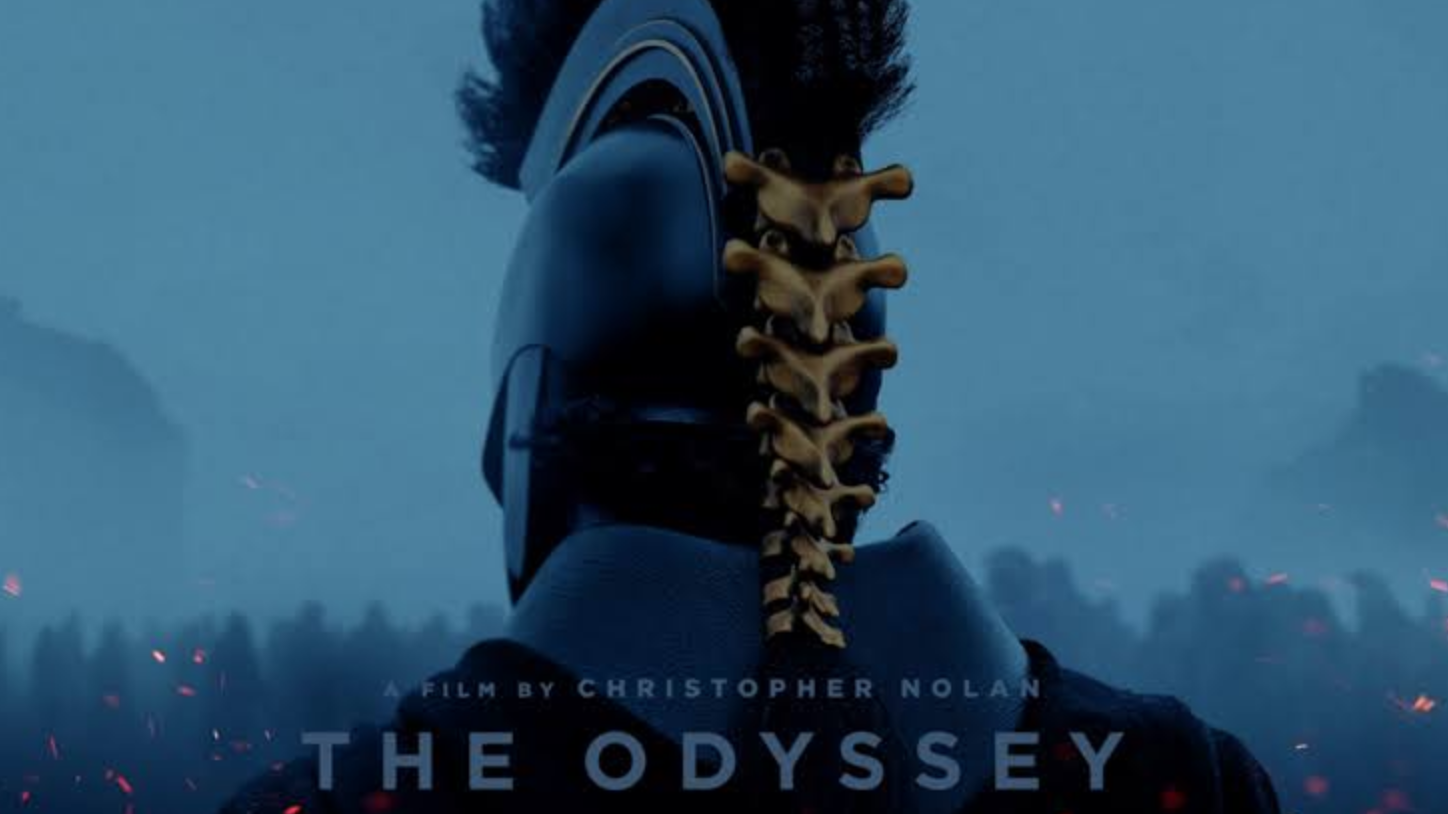
Yet the scale of “The Odyssey” remains extraordinary. Few filmmakers could take a 3,000-year-old poem filled with monsters, gods and impossible journeys and create something that feels both ancient and contemporary. Nolan understands that Homer’s story has survived because its questions remain relevant. What happens after victory? What does glory cost? Can a person ever truly return to the life they left behind? The greatest achievement of Nolan’s “The Odyssey” is that it understands the strange contradiction at the heart of Homer’s poem: heroism and tragedy often come from the same place. Odysseus earns his legend through war, but the film asks whether that legend was worth the suffering it created. Christopher Nolan’s “The Odyssey” is ultimately not a story about a man trying to find his way home. It is about whether a man can ever truly return after becoming someone else. And perhaps that is why, thousands of years later, we are still telling Odysseus’ story.

 For all latest news, follow The Daily Star's Google News channel.
Comments