


How director–actor duos continue to define modern cinema
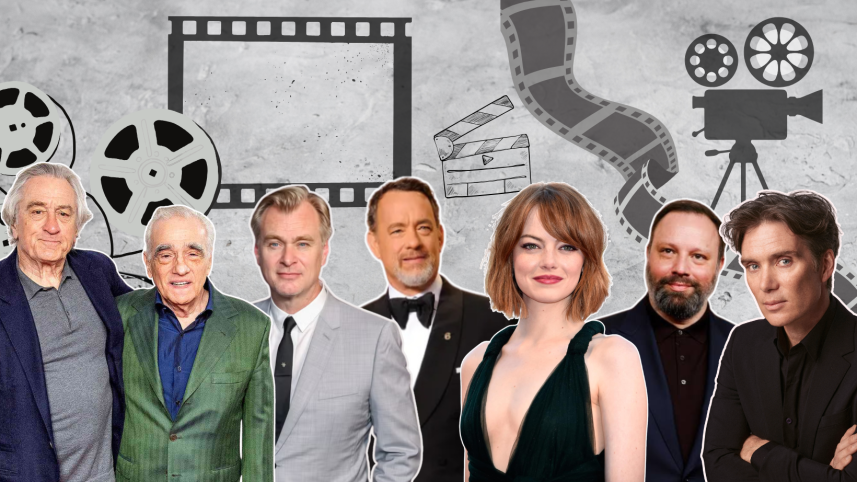
Some directors meet an actor and instantly know they’ve found their cinematic other half. The collaboration clicks, the chemistry works, and even the audience gets conditioned into expecting that familiar face next to the familiar name in the title. It has happened with Martin Scorsese and Robert De Niro in the past, Alfred Hitchcock and James Stewart in the 1950s. Now, with Emma Stone’s fourth consecutive collaboration with Yorgos Lanthimos in the upcoming “Bugonia”, the pattern of enduring director–actor partnerships remain a defining feature of cinema.
Emma Stone and Yorgos Lanthimos
Yorgos Lanthimos is known for absurdist, psychologically layered storytelling in films like “Dogtooth” and “The Lobster”. Emma Stone, meanwhile, became known for comedies including “Easy A” and “Crazy, Stupid, Love”, before adding “Birdman” and an Oscar for “La La Land” to her range. The turning point came with “The Favourite”, their first collaboration, where Stone played an ambitious servant who maneuvers her way into Queen Anne’s inner circle. The film secured ten Oscar nominations, cementing Stone’s versatility as an actress and a seemingly permanent spot within Lanthimos’s world.
They collaborated again in “Poor Things”, where she portrayed Bella Baxter, a reanimated woman with a childlike brain who evolves, learns new things, and ultimately discovers her own physical, sexual and intellectual autonomy. The film won four Oscars, including Best Actress for Stone, and became Lanthimos’s highest-grossing feature, surpassing $117 million worldwide. “Kinds of Kindness”, while not gaining as much mainstream appreciation, had Stone play three distinct roles: a tightly controlled employee, a once-missing spouse, and a cult adherent seeking a figure rumoured to raise the dead, across an anthology of power and belief. In “Bugonia”, she plays Michelle Fuller, a pharmaceutical CEO abducted by conspiracy theorists, opposite Jesse Plemons.
They have clearly found a working rhythm strong enough to sustain back-to-back projects, even when reception has varied. Emma Stone, at the height of her career, is seeking more demanding roles that push boundaries and establish her as a generational actress. Lanthimos remains committed to singular, unconventional stories. As Lanthimos put it, “It’s so much easier with someone who trusts you so much, and whom you trust so much.”
Quentin Tarantino and Samuel L Jackson
Since “Pulp Fiction”, Samuel L Jackson has appeared in six of Quentin Tarantino’s nine films, notably “Jackie Brown”, “Kill Bill Vol. 2”, “Django Unchained”, and “The Hateful Eight”. The three that didn’t feature him were only due to scheduling conflicts, to the extent that Tarantino has said he would be content to use Jackson as a narrator if he couldn’t cast him in a role, as in “Inglourious Basterds”.
Their collaboration produced some of the most quoted dialogue in cinema history and helped shape Tarantino’s distinct tonal mix of pulp fiction and moral irony. Critics frequently note that Tarantino constructs roles with Jackson in mind, to the point that Jackson’s cadence has become inseparable from Tarantino’s writing.
“When you read a Tarantino script,” Jackson says about why he loves working with Tarantino, “you know you’re going to have a lot to say about who you are and how you feel about things.” His theatre background allowed him to improvise and deliver Tarantino’s dialogue with conviction, timing, and additions of his own. Jackson noted that Tarantino “knows I’m used to giving speeches and I like it”, as can be seen in his monologues as Ordell Robbie, Stephen, and Major Marquis Warren, which many film enthusiasts can quote by heart.
Cillian Murphy and Christopher Nolan
Since “Batman Begins”, Cillian Murphy has appeared in six of Christopher Nolan’s twelve films, notably “The Dark Knight”, “The Dark Knight Rises”, “Inception”, “Dunkirk”, and “Oppenheimer”. Their latest collaboration, “Oppenheimer”, was both commercially and critically defining, earning over $975 million worldwide and 13 Oscar nominations, including Best Director and Best Actor.
The films that didn’t include him were simply projects where Nolan felt the story or character line-up didn’t naturally suit Murphy’s presence. As for Nolan’s upcoming “The Odyssey”, Murphy is not involved because he decided to take a break after the intense and demanding filming of “Oppenheimer”. He described feeling a “ROMO” (Relief of Missing Out), noting that stepping back allowed him to rest after years of back-to-back projects.
Nolan has often praised Murphy’s capacity to fully inhabit complex roles and bring emotional truth to highly structured narratives.
Robert De Niro and Martin Scorsese
The collaboration between Martin Scorsese and Robert De Niro remains the template for all director–actor partnerships. Their first major project, “Mean Streets”, established the thematic triad of violence, guilt, and redemption that defines Scorsese’s early work. Their next project, “Taxi Driver”, was a cultural flashpoint. De Niro’s portrayal of the disillusioned Vietnam veteran turned vigilante, Travis Bickle, and his ad-libbed line, “You talkin’ to me?”, remain iconic to this day.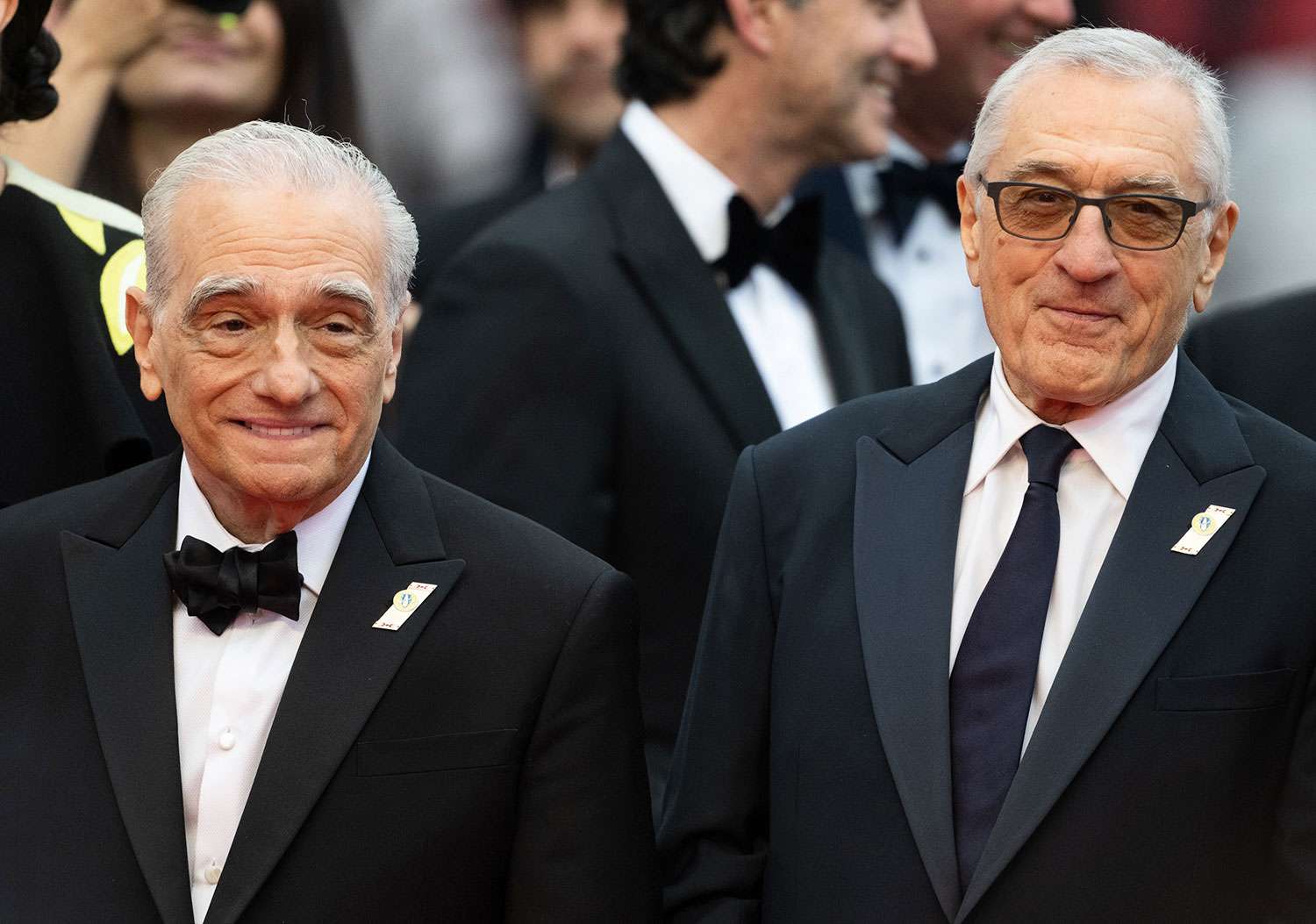
Their partnership deepened with “Raging Bull”, for which De Niro gained 60 pounds to portray boxer Jake LaMotta in a performance that earned him the Academy Award for Best Actor. “Goodfellas” and “Casino” together grossed over $400 million worldwide and earned critical acclaim. After a 24-year gap, they reunited for “The Irishman”, using digital de-ageing to revisit themes of loyalty and regret from the perspective of old age. Across six decades, Scorsese has directed De Niro in ten films and several shorts, each documenting America’s shifting moral landscape, making them the gold standard for cinematic collaboration.
Tom Hanks and Steven Spielberg
Few director–actor partnerships equal the reliability of Steven Spielberg and Tom Hanks, whose collaborations include “Saving Private Ryan”, “Catch Me If You Can”, “The Terminal”, “Bridge of Spies”, and the miniseries “Band of Brothers” and “The Pacific” (as producers). “Saving Private Ryan” alone grossed $482 million and won five Academy Awards. Spielberg’s thematic focus on morality, conscience, and resilience consistently finds its voice in Hanks’s measured performances. Hanks functions as the human centre of Spielberg’s grand narratives, turning historical spectacle into personal stories.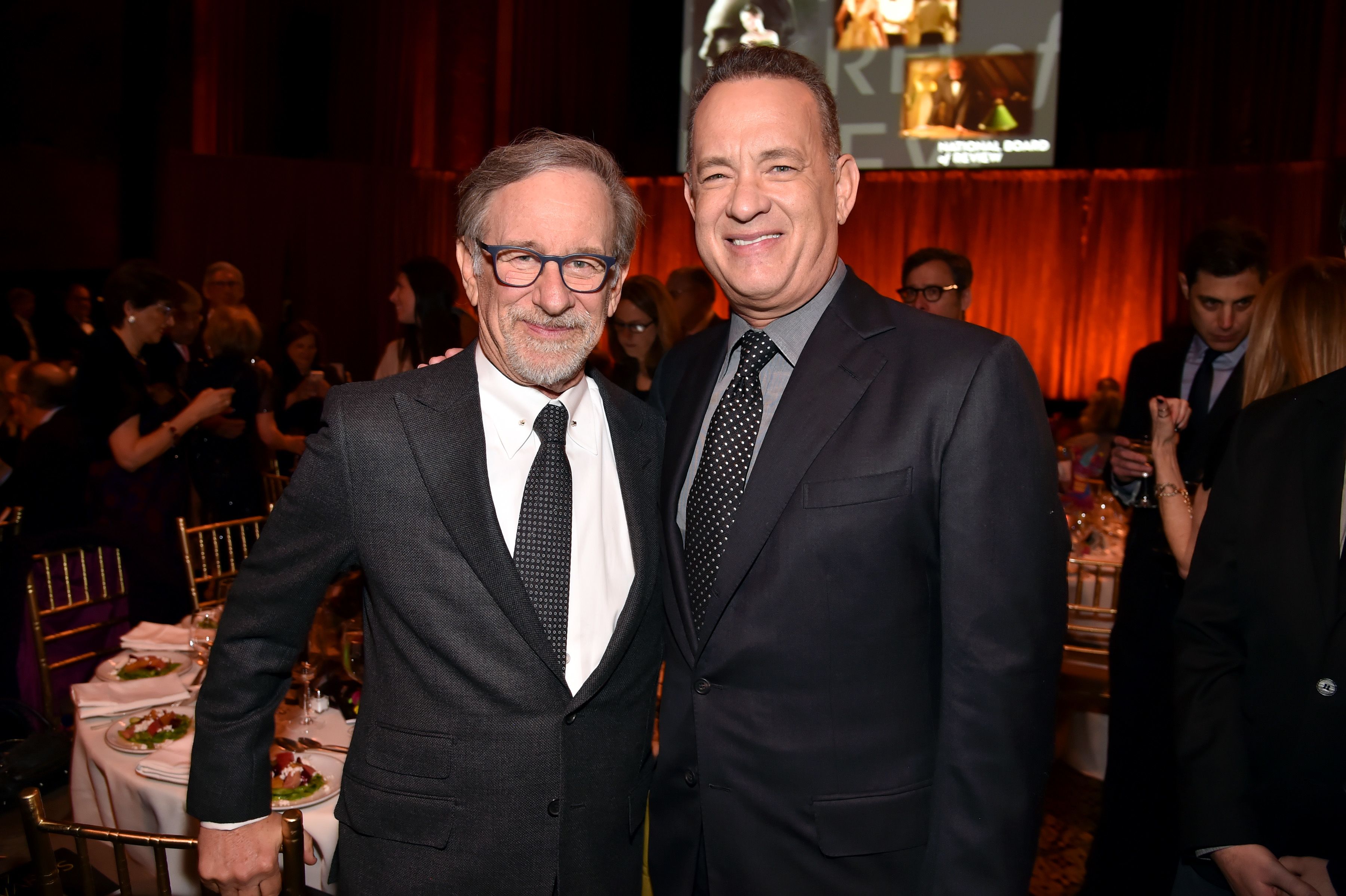
New collaborations on the rise
A new generation of director–actor partnerships is redefining how stories are told, echoing the enduring creative bonds that have defined cinema. Greta Gerwig and Saoirse Ronan, Ryan Coogler and Michael B Jordan, and Luca Guadagnino and Timothée Chalamet are among the names that come to the fore.
Gerwig and Ronan first collaborated on “Lady Bird” and “Little Women”, films that combined Gerwig’s focus on female ambition and self-discovery with Ronan’s layered portrayals of those themes. Having only three films in her repertoire, Gerwig has said she wanted Ronan to appear in “Barbie”, but scheduling conflicts made it impossible.
Ryan Coogler and Michael B Jordan’s partnership merges social commentary with impactful realism. From “Fruitvale Station” to “Creed”, “Black Panther”, and “Creed III”, their collaborations trace themes of race, legacy, and redemption. Meanwhile, Luca Guadagnino and Timothée Chalamet began their artistic connection with “Call Me by Your Name”, Chalamet’s breakout role, which made him the youngest Academy Award nominee for Best Actor. Guadagnino even calls Chalamet his “muse”, and in their follow-up, the dystopian romance “Bones and All”, the statement becomes even more fitting.
It’s not just assumption or convenience that makes these partnerships thrive. A 2023 Variety analysis of recurring director–actor pairings found that films within such partnerships perform, on average, 25 per cent better in critical ratings than a director’s one-off projects. Mutual trust allows for experimentation without a loss of coherence; the actor starts speaking the director’s language and becomes a vessel for the director’s artistic vision.

 For all latest news, follow The Daily Star's Google News channel.
Comments