


People still call me ‘Ammajan’: Shabnam
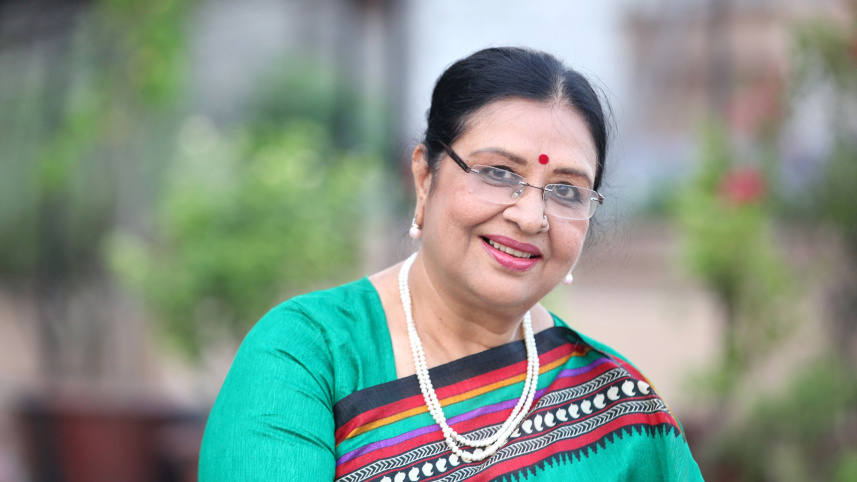
One of the most celebrated romantic heroines of the 1960s, Shabnam remains an enduring icon of South Asian cinema. Her journey began with the Urdu-language film “Chanda”, directed by Ehtesham, where she made her debut as a leading lady. In Bangladesh, however, it was “Harano Din” that marked her breakthrough, earning immense audience appreciation and setting the stage for a career adorned with success.
Her popularity soared further with “Rajdhanir Bukey”, where she captivated audiences by lip-syncing to the memorable song “Tomare Legechhe Eto Je Bhalo, Chand Bujhi Tai Jane”. The performance cemented her place in the hearts of millions of cinema lovers.
Her acclaim was not confined to Bangladesh alone. Shabnam also enjoyed a successful career in Pakistani cinema, where she won the prestigious Nigar Award 13 times, an extraordinary achievement that speaks to her immense popularity and talent.
Widely regarded as one of the leading faces of the golden era of cinema, Shabnam delivered numerous memorable performances. However, after playing the titular role in “Ammajan” alongside Manna, she stepped away from the silver screen.
Reflecting on her career, she said, “My first film as a leading actress, ‘Harano Din’, received tremendous audience appreciation. And my last film, ‘Ammajan’, was also a super-duper hit. So, I can say that both my first and last films have become timeless.”
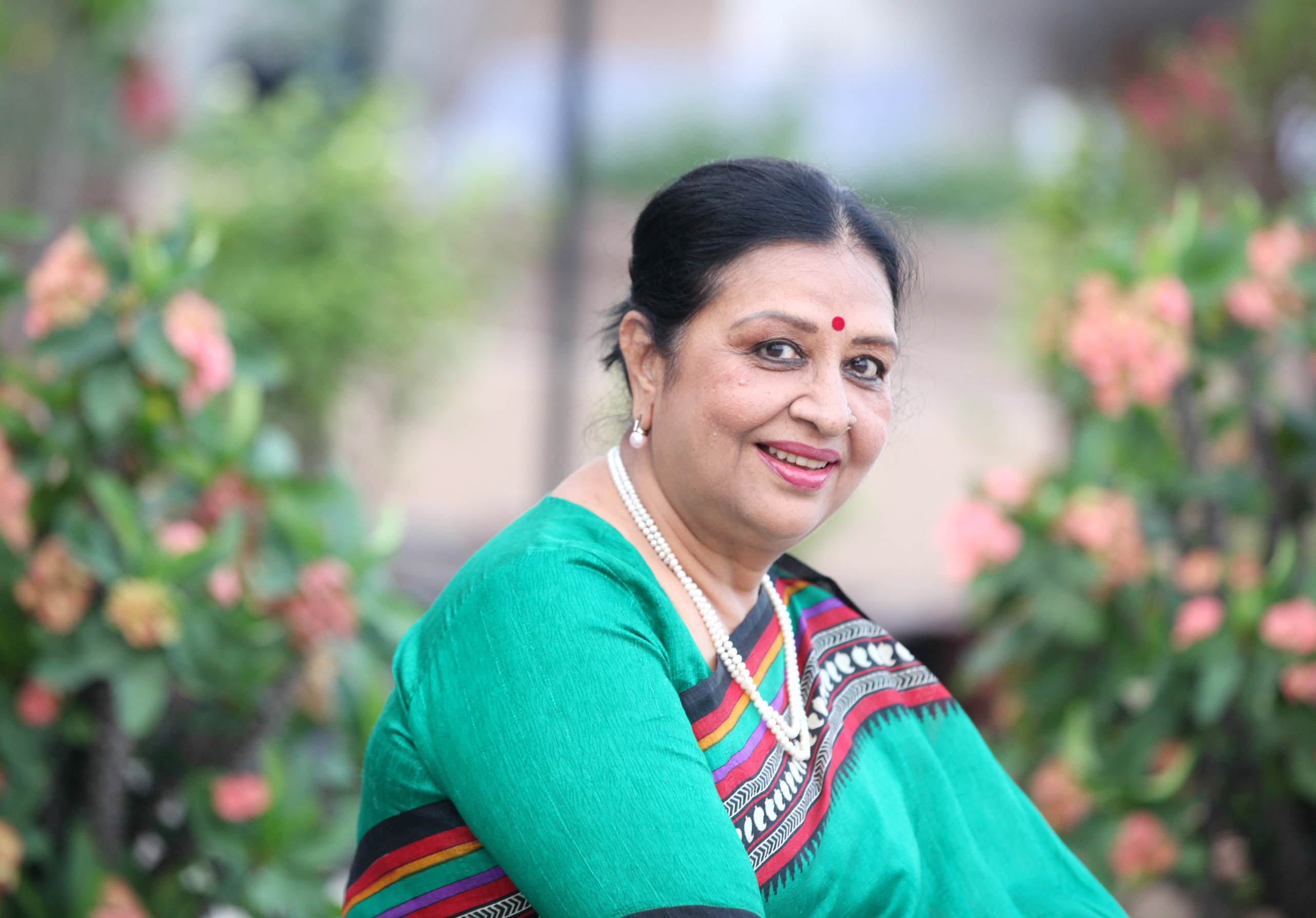
When asked why she did not return to acting after “Ammajan”, and whether there was any sense of regret or grievance, she responded, “Not at all. It wasn’t about any disappointment. I simply did not find stories that I liked. Had I found something appealing, I would certainly have worked again.”
Speaking about her most recent visit to the Bangladesh Film Development Corporation (BFDC), she shared, “I went to the FDC for a short while, after many years. I cannot even recall how many years it has been. Once I entered, so many memories came flooding back. I noticed many changes inside.”
She added, “There were fewer people that day, perhaps it was a Friday. It made things easier for me. But I quietly cried while I was there. It felt strange. There was a kind of pain within. My eyes filled with tears.”
Despite stepping away from the spotlight, Shabnam continues to lead a grounded life. “I still go to the market regularly,” she said with a smile. “There is a market in Gulshan where I go. Everyone there recognises me, and they respect and love me. Even this morning, I went. As soon as I arrive, shopkeepers say, ‘Make way! ‘Ammajan’ has come!”

She reflected warmly on this affection. “The love and respect people show me—being called Ammajan, that is a great blessing. I want to live with this love and respect. Above all, it is the love of people that matters most.”
On the subject of awards, she remains remarkably unfazed. “I have no regrets about awards. The love of people is far greater than any award. Awards fade with time, but people’s love remains.”
A native of Old Dhaka, Shabnam occasionally revisits her roots. “I still have many relatives there, so I go from time to time. It brings back so many memories. In those days, there were horse carriages—we used to ride around in them.”
As for her present life, she keeps things simple and fulfilling. “I spend my time reading books, watching television, and chatting with my son. I also enjoy cooking different things for him.”
When asked if she harbours any regrets, her answer is clear and content: “No. I have no regrets. I am grateful for what I have received and where I am in life. I always say—people’s love is the greatest thing of all.”
 For all latest news, follow The Daily Star's Google News channel.
Comments