


Ashfika Rahman's art lands in New York Times Critics' Top 6

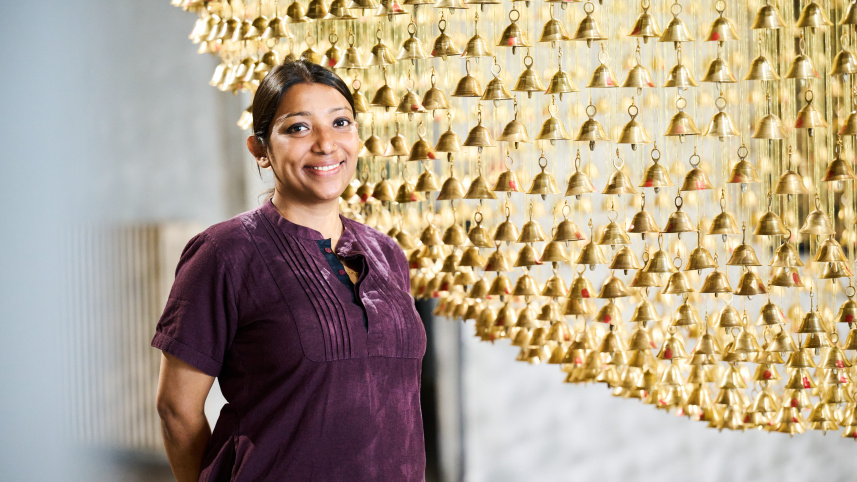
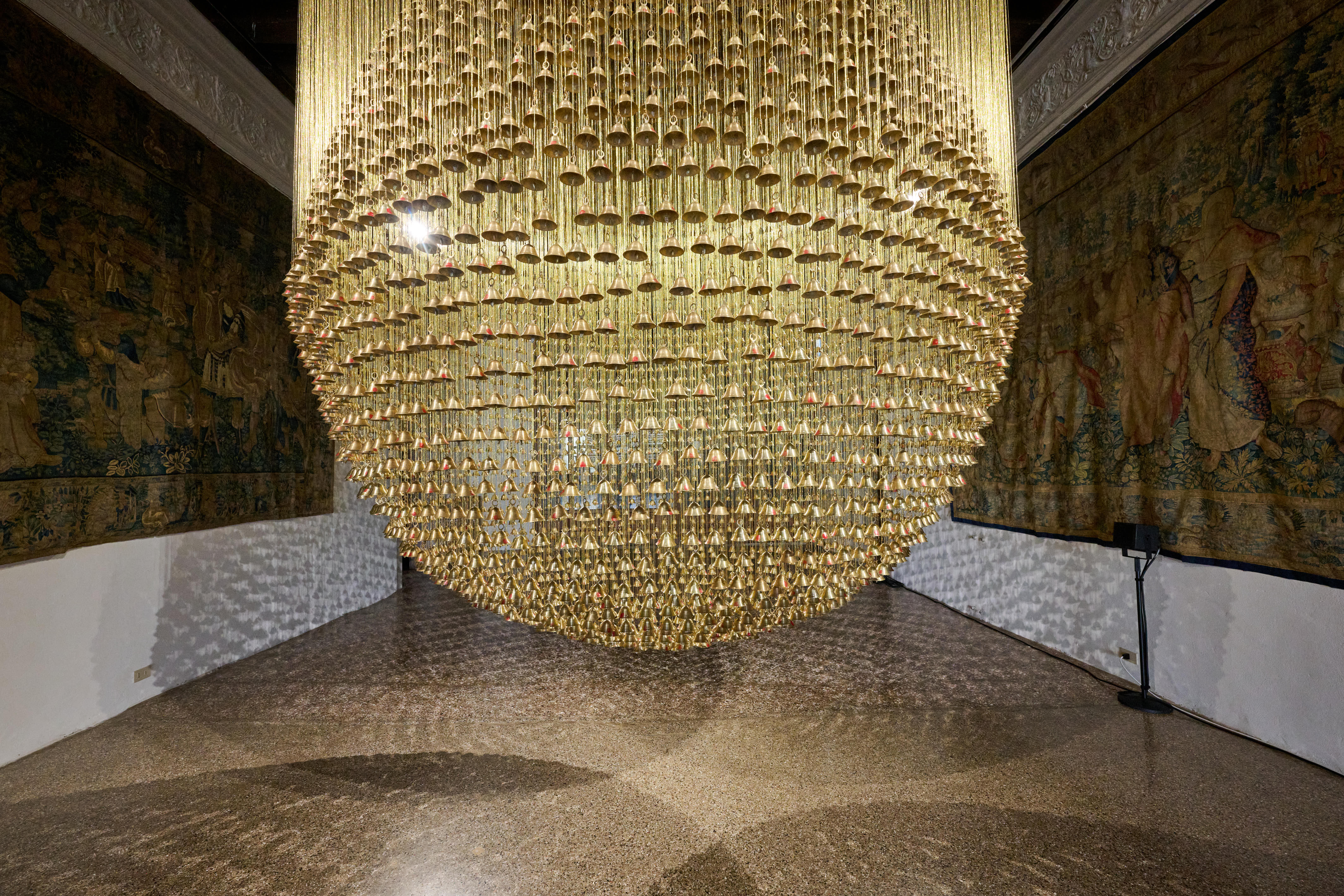
At the Venice Biennale’s official collateral exhibition “Still Joy — From Ukraine into the World”, Bangladeshi visual artist Ashfika Rahman finds herself at the centre of a rare moment of global attention, after her work “Than Para — No Land Without Us” was selected as a New York Times Critics’ Pick among the 6 Must-See Venice Shows.
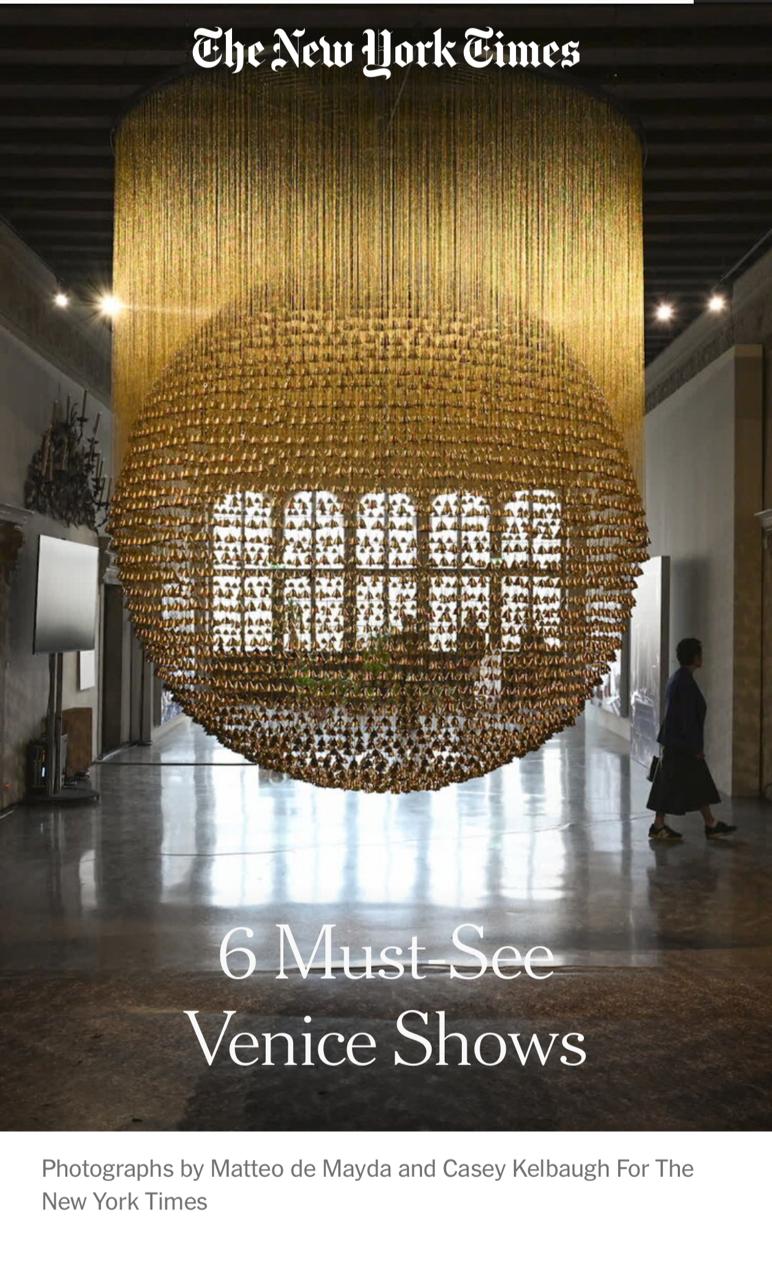
The New York Times described its selection as part of a group of works, calling it “thought-provoking and senses-stirring”, highlighting its engagement with themes of war, memory, and lived experience across different contexts.

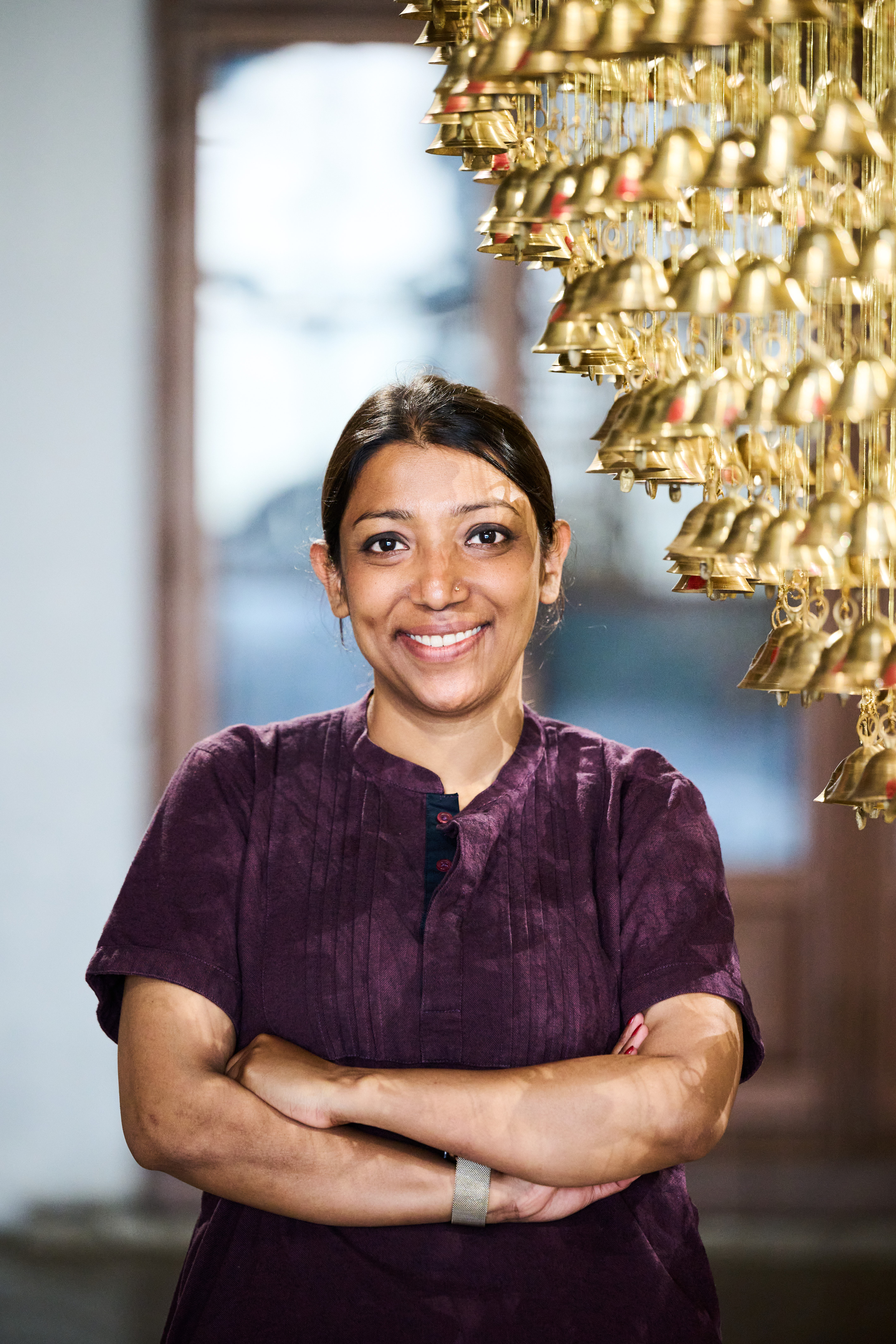
For Rahman, the recognition lands quietly but meaningfully—not as a sudden arrival, but as part of a longer, more personal journey of becoming visible within a global art world that has often felt distant.
Inside Venice’s dense, almost overwhelming landscape of international exhibitions, Rahman’s work does not announce itself loudly. Instead, it lingers. Her installation is part of “Still Joy”, an official collateral event of the 61st International Art Exhibition of La Biennale di Venezia, curated by Björn Geldhof and Oleksandra Pohrebnyak and presented by the PinchukArtCentre.
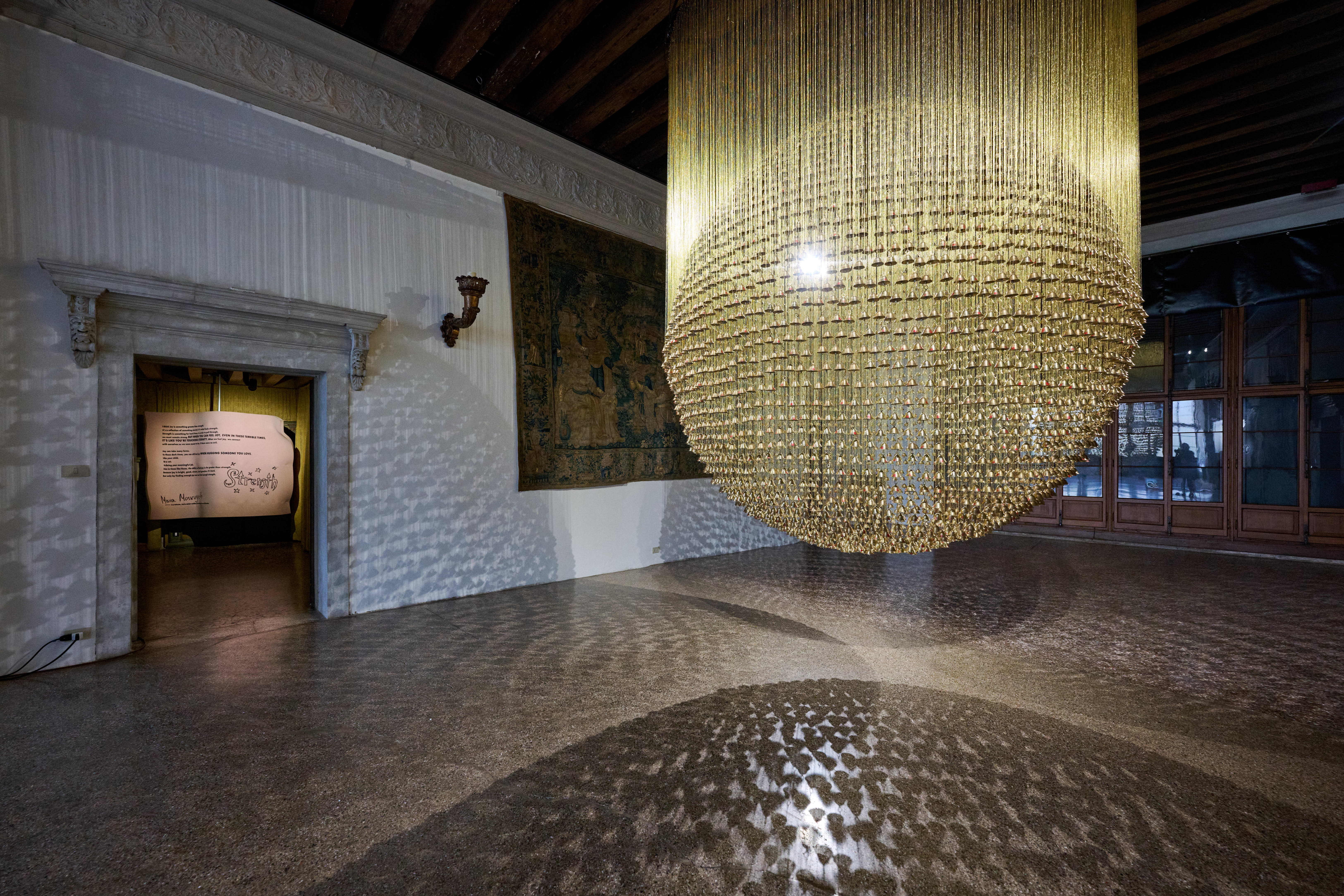
Built from Ukrainian testimonies collected by Hlib Stryzhko and Nataliya Gumenyuk, the exhibition repeatedly returns to a central tension: how joy survives—not as celebration, but as something stubbornly persistent in the face of rupture.
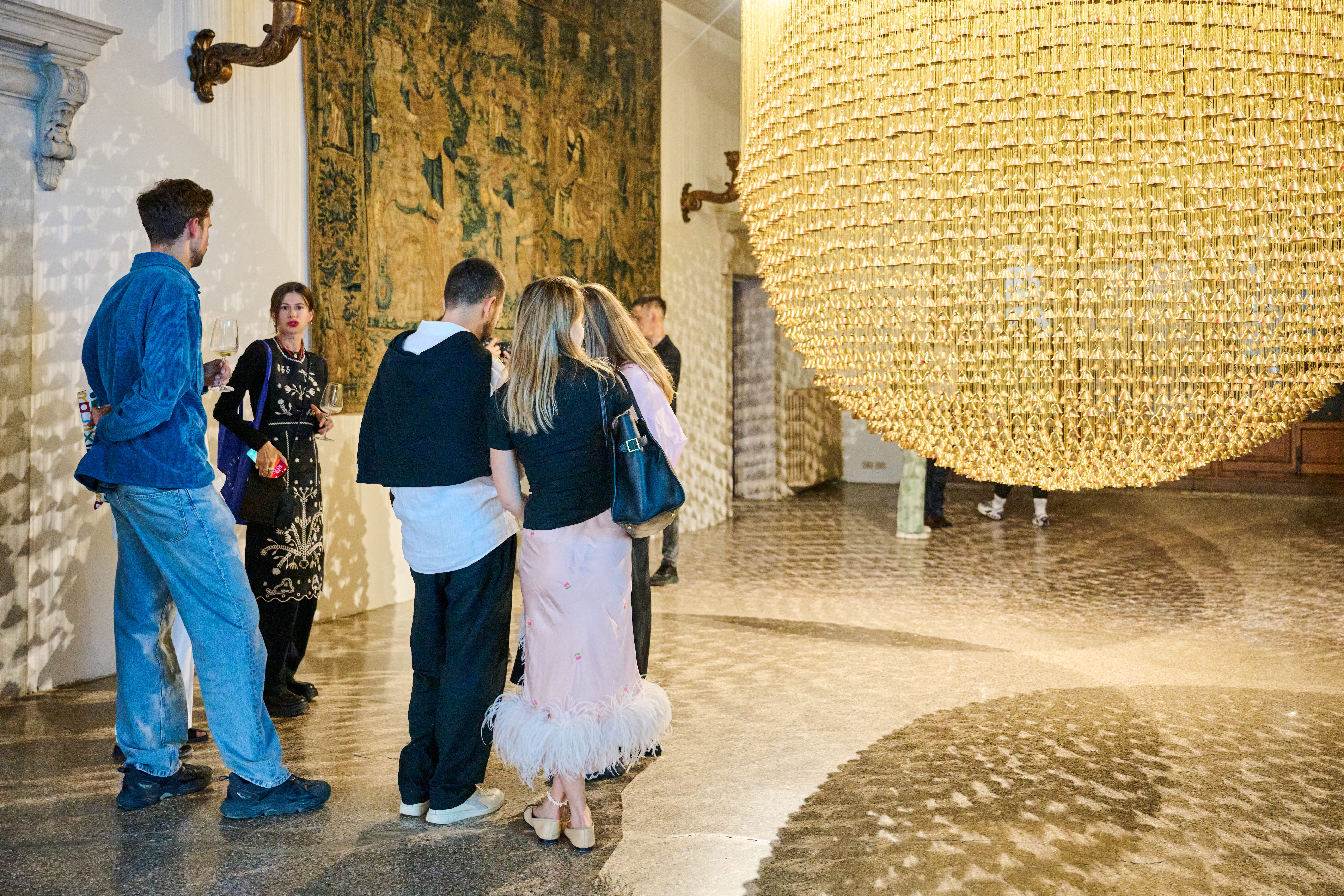
Within this emotional terrain, Rahman’s “Than Para — No Land Without Us” feels intimate rather than monumental. It carries the weight of distance and belonging at once, shaped by the ongoing struggles of Indigenous communities in Bangladesh’s Hill Tracts, while also speaking to broader global patterns of displacement and erasure.
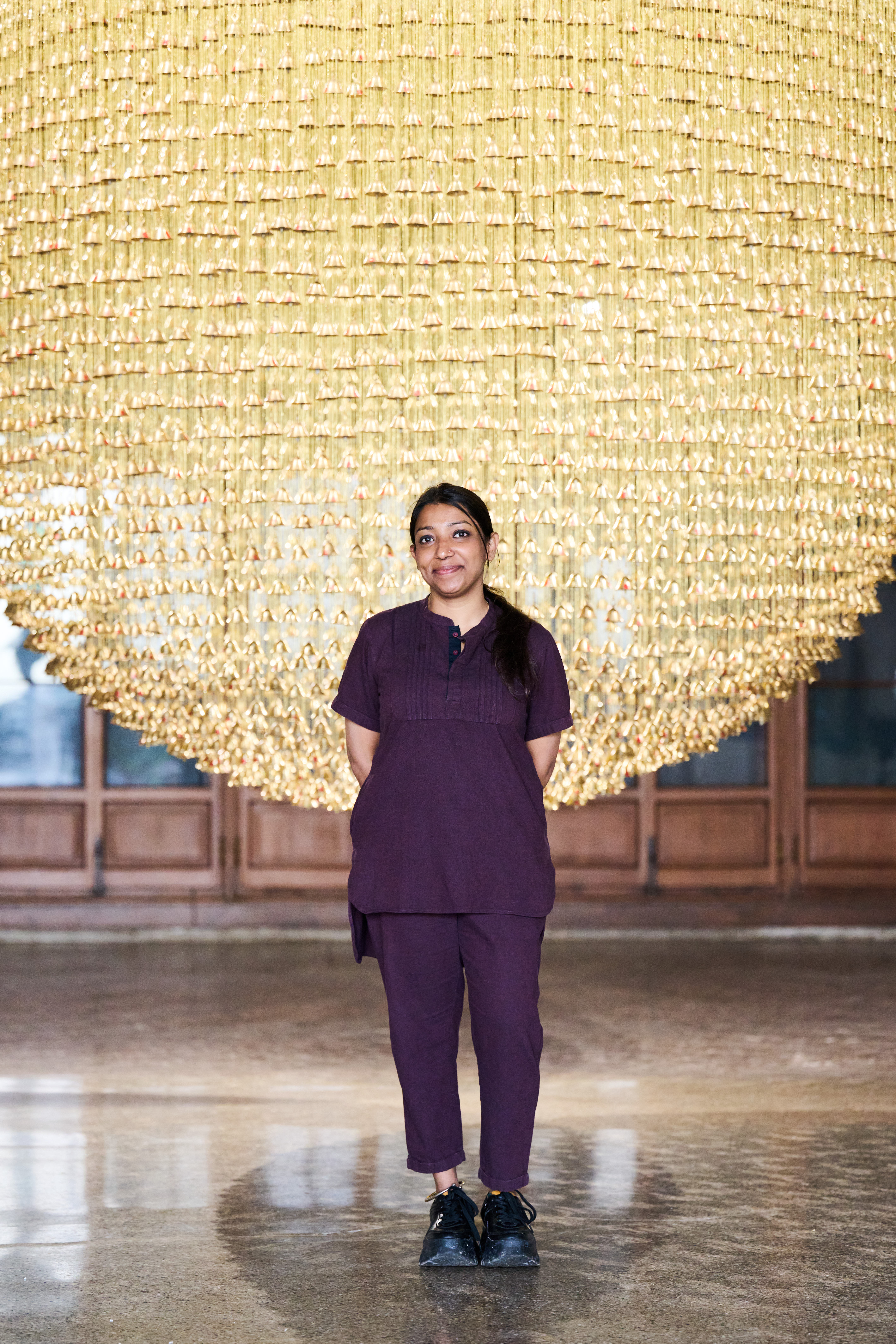
Her work remains inseparable from lived reality. Speaking about the Venice recognition, the artist describes a feeling that is both grounding and slightly unreal: “Having ‘Than Para — No Land Without Us’ included in ‘Still Joy: From Ukraine into the World’ is deeply humbling as a Bangladeshi artist.”
But even in that moment of recognition, her attention moves outward rather than inward. She is careful to place herself within a continuum, not at its centre. “It is important to acknowledge and celebrate all the Bangladeshi and Bangladeshi-rooted artists who have participated, both currently and historically, in different formats within the structure of the Venice Biennale.”
There is a quiet insistence in the way she speaks about her practice—as if it is less about making objects and more about holding onto things that are constantly slipping away. She describes her work as emerging from “displacement, suppression, and violence experienced by marginalised communities”, especially Indigenous groups in Bangladesh.
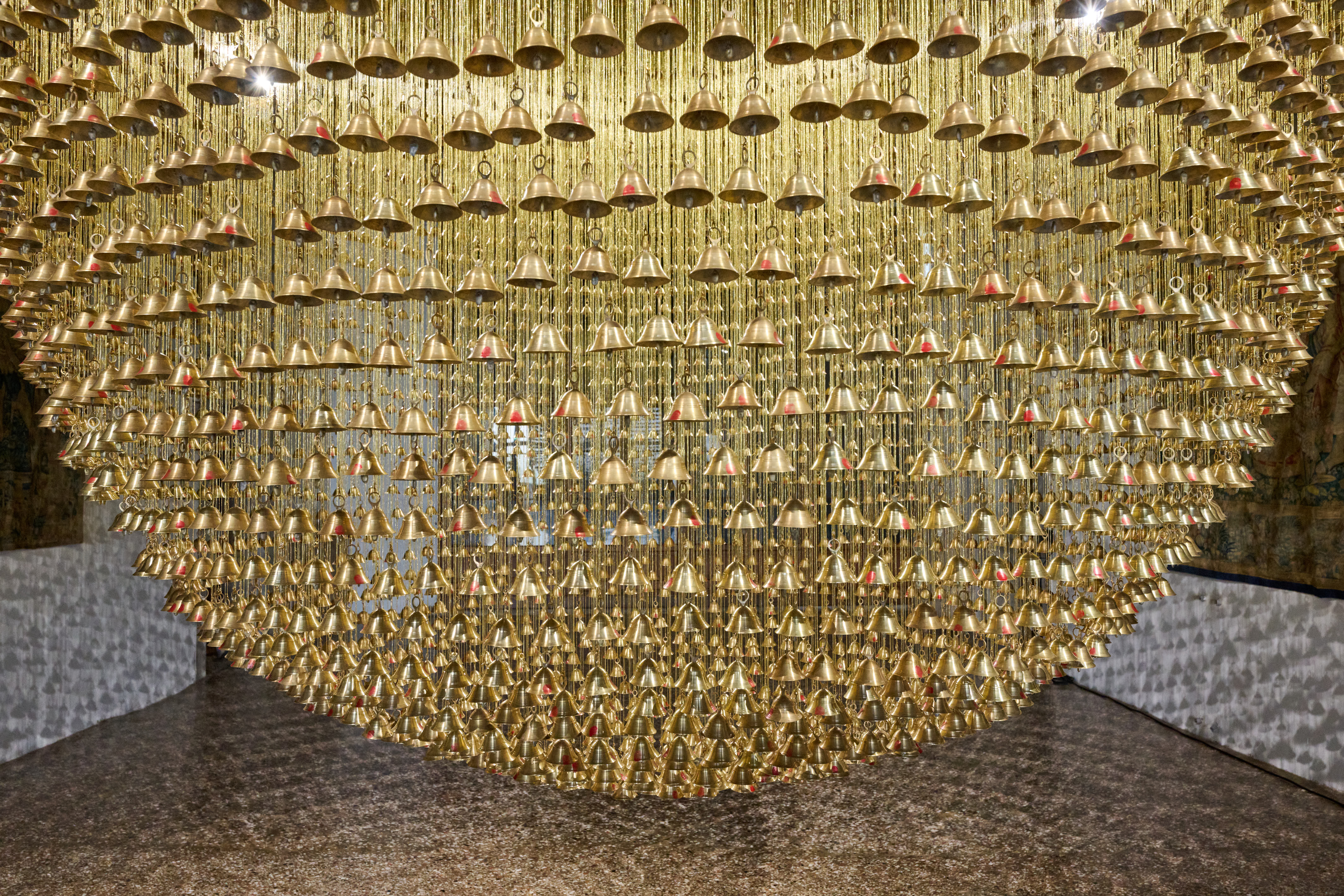
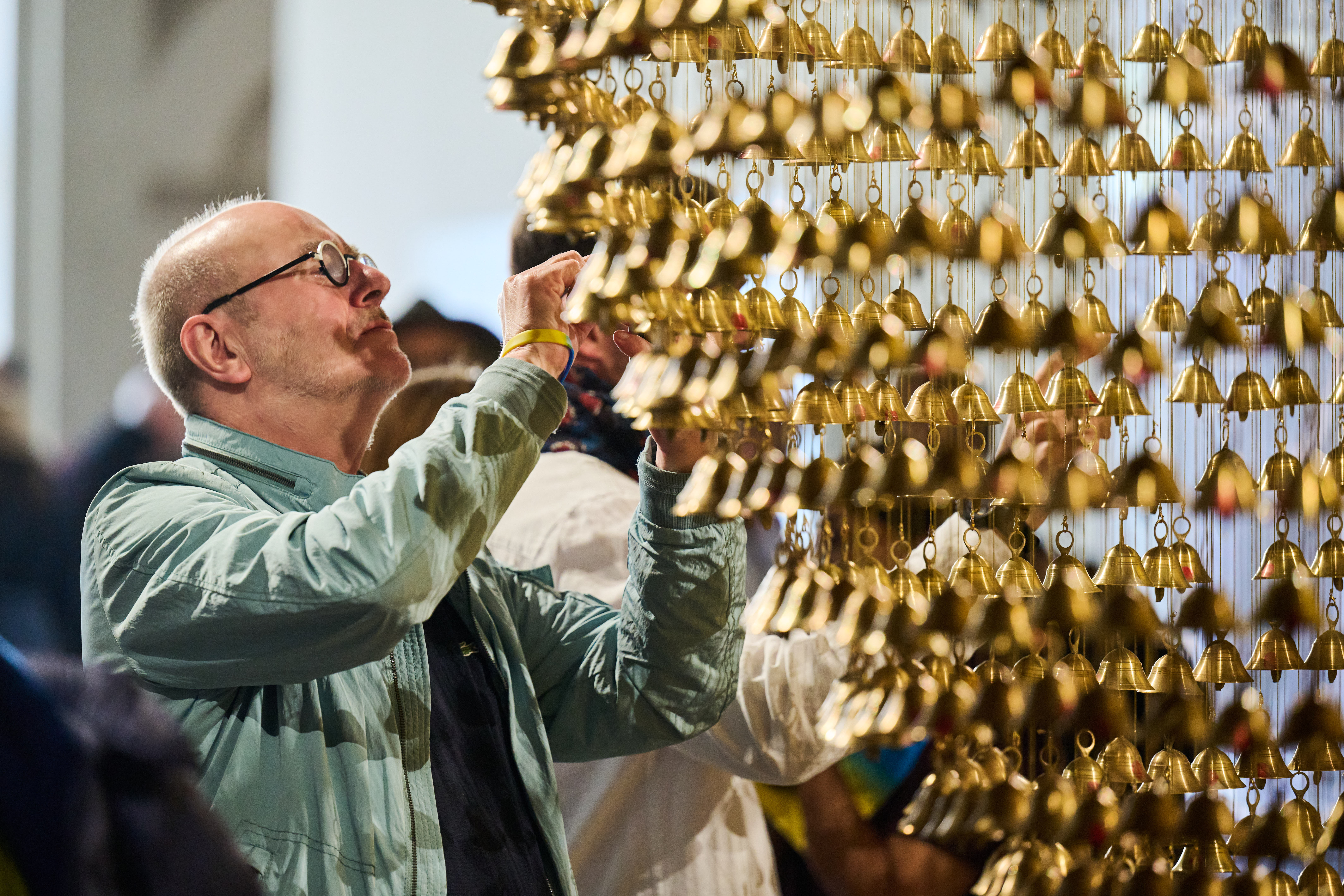
At the centre of “Than Para” are thousands of small temple bells gathered from different spiritual traditions. They are fragile on their own, almost ordinary, but together they shift into something larger and more insistent. As she puts it, “They function as a collective call for attention, fragile individually, but powerful as a unified voice.”
Even the idea of recognition, for her, resists simplicity. It is not a finish line, but something heavier and more ongoing. “For me, recognition by The New York Times is meaningful not as a destination but as a responsibility…” she says, framing visibility as a kind of obligation rather than achievement. That responsibility, she suggests, lies in ensuring that those who are usually absent from global narratives are still present within them—“to be seen, heard, and remembered”.
Rahman often returns to the idea that she is, first and foremost, a storyteller. Raised by a socially conscious and feminist mother, she grew up moving between dance, theatre, photography, and eventually visual art. “Over time, visual art became the space where all these experiences converged,” she says.
None of these stories, in her view, exist in isolation. They are connected across geographies, histories, and struggles. “These encounters reaffirm that we are responding not to isolated stories, but to a shared human condition.”
As “Still Joy” continues its run in Venice from May 9 to August 1, Rahman’s work sits quietly within its larger questions while also stretching them outward. In her practice, joy is not an answer or a resolution. It is something more fragile and persistent than certainty itself—something that survives, even when everything else feels uncertain.
 For all latest news, follow The Daily Star's Google News channel.
Comments