


The persistent relevance of Mrinal Sen

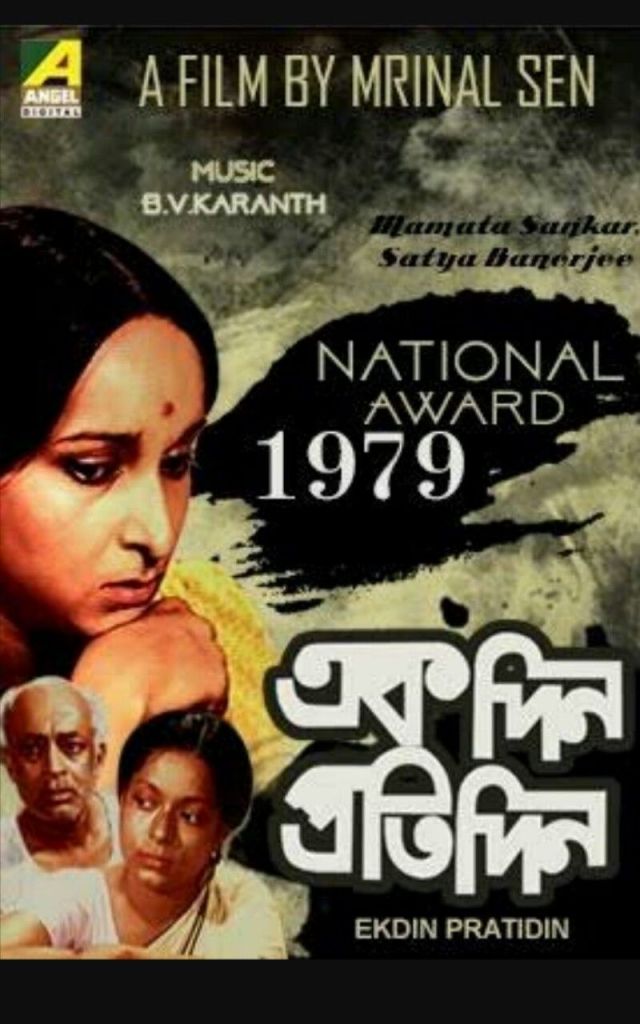
Whenever I try to write about Mrinal Sen, one image inevitably resurfaces: the night of unbearable anxiety from “Ek Din Pratidin”. The marriageable working daughter of a lower middle-class household has not returned home. As the hours pass, unease slowly settles over the ageing father, fear clouds the mother’s face, and suspicion begins to spread through the surrounding neighbourhood. Nearly five decades later, women like Minu still exist within South Asian society, and so does that same gaze of suspicion, fear, and social judgement.
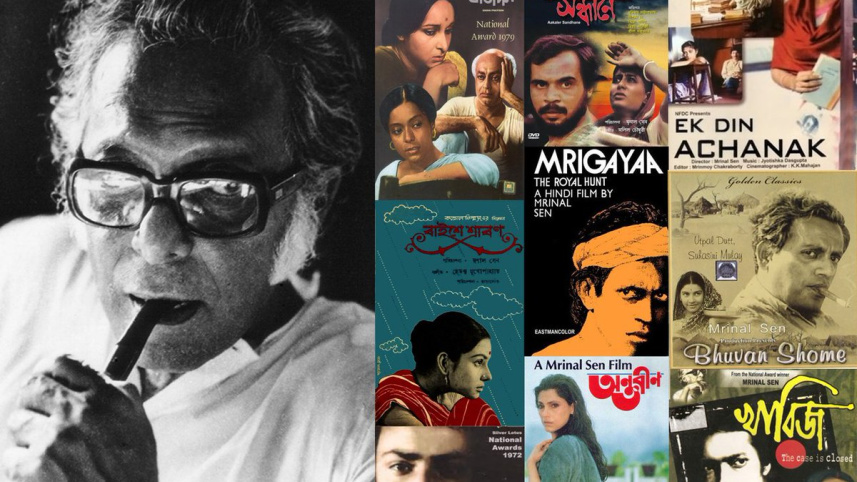
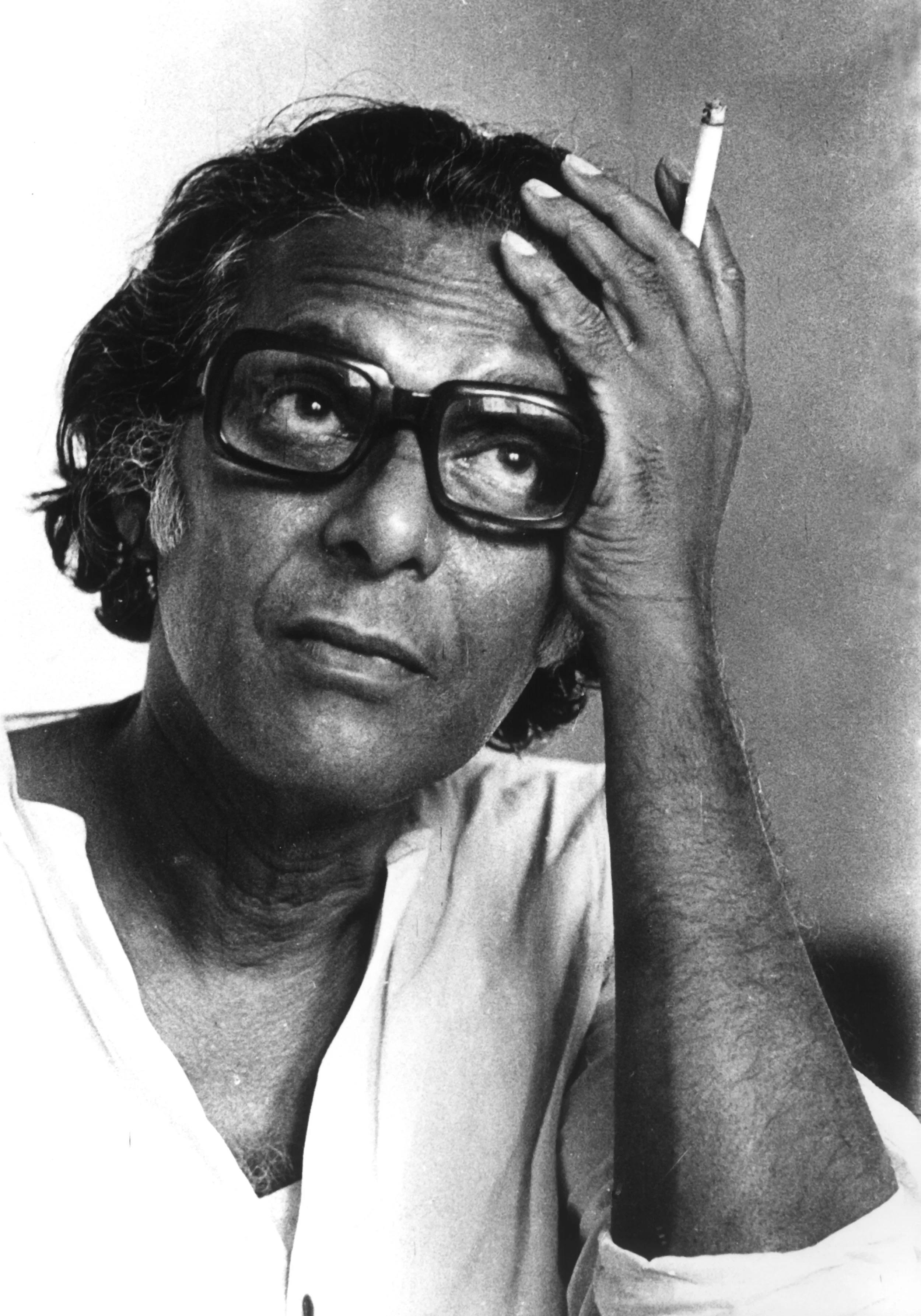
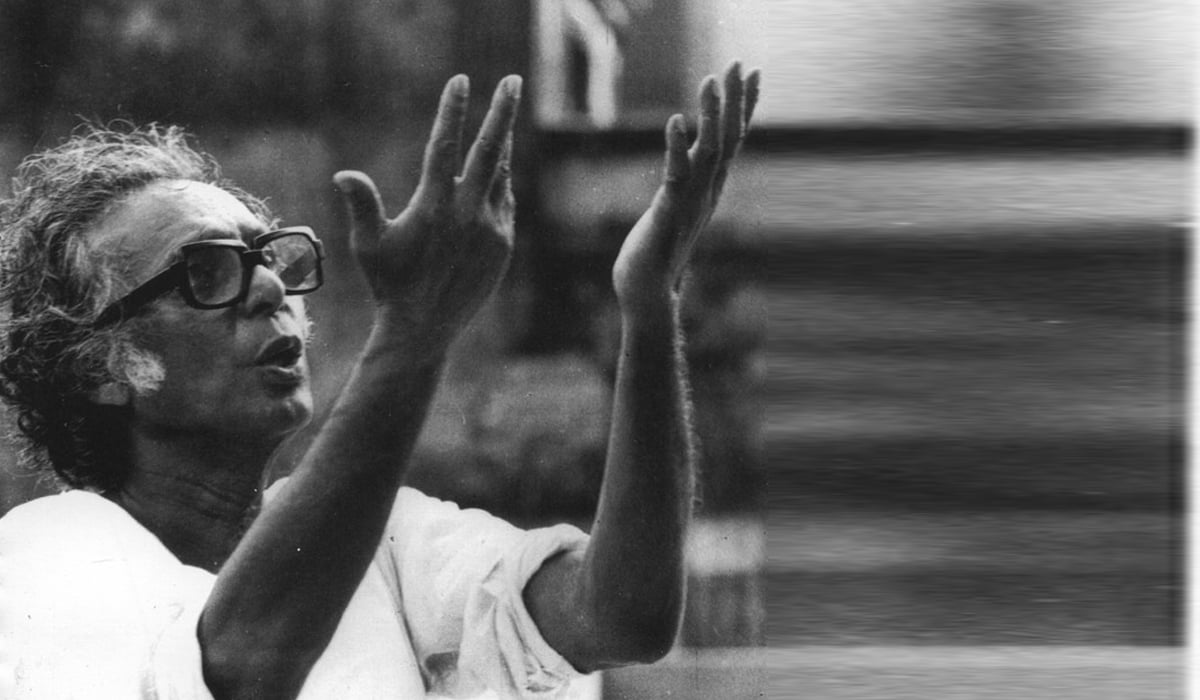
Across Mrinal Sen’s nearly six-decade cinematic career, there are countless films in which he created such mirrors. Few filmmakers possessed his ability to provoke audiences into thinking. In almost every interview, there existed a deep observation of society and politics. Even on his 103rd birth anniversary, observed today (May 14), it feels as though he still sits somewhere among us, holding onto that same gaze — thick-framed glasses, white hair above the ears, cigarette in hand. Or perhaps seated in the cryptic posture immortalised in “Padatik”, surrounded by the endless stories of his celluloid world.

Born in Faridpur, now in Bangladesh, on May 14, 1923, Mrinal Sen carried within him the weight of nearly one and a half centuries of colonial rule. His childhood and early life unfolded in the small town before he later moved to Kolkata for higher education. Though he studied Physics at the University of Calcutta, contemporary politics gradually drew him elsewhere. At the same time, he became associated with the Indian People’s Theatre Association. Professionally, he worked at various times as a journalist, medicine salesman, and sound technician in films.
In 1943, after reading Rudolf Arnheim’s “Film as Art”, he became deeply fascinated by cinema and began reading every book on the subject he could find. For a time, he also wrote about cinema as a journalist, though the earnings were meagre.
Meanwhile, Kolkata in the 1940s was undergoing a cinematic revolution. One crucial part of that transformation was the Calcutta Film Society, founded by figures including Satyajit Ray, Ritwik Ghatak, Chidananda Dasgupta, and Radha Prasad Gupta. Although Mrinal Sen himself could not afford membership, the movement profoundly shaped him. Through journals such as Chalachitra, international film festivals, and access to foreign cinema, Kolkata audiences encountered a new cinematic consciousness. The Calcutta Film Society played a defining role in the emergence of the New Wave in Bengali and Indian cinema.
Perhaps disappointed by the limitations of writing, Sen eventually entered filmmaking, believing cinema could express his thoughts more completely. Politics remained inseparable from his work. His films repeatedly confronted social decay, class inequality, middle-class hypocrisy, and political unrest. Marxist influence permeated his cinema, though he never formally joined the Communist Party.
“I was never a member of the Communist Party,” he once said. “Ritwik later became a member. I never did. Not when the party was one, not even after it split into two. But they looked at me as though I were a party member.”
His debut feature “Raat Bhore” was a commercial and critical failure. Sen himself later rejected the film, believing its storytelling and technical execution had fallen short. Yet the filmmaker who would later redefine Indian parallel cinema gradually began to emerge through works such as “Baishey Shravan”, “Punascha”, “Akash Kusum”, and later “Bhuvan Shome”.
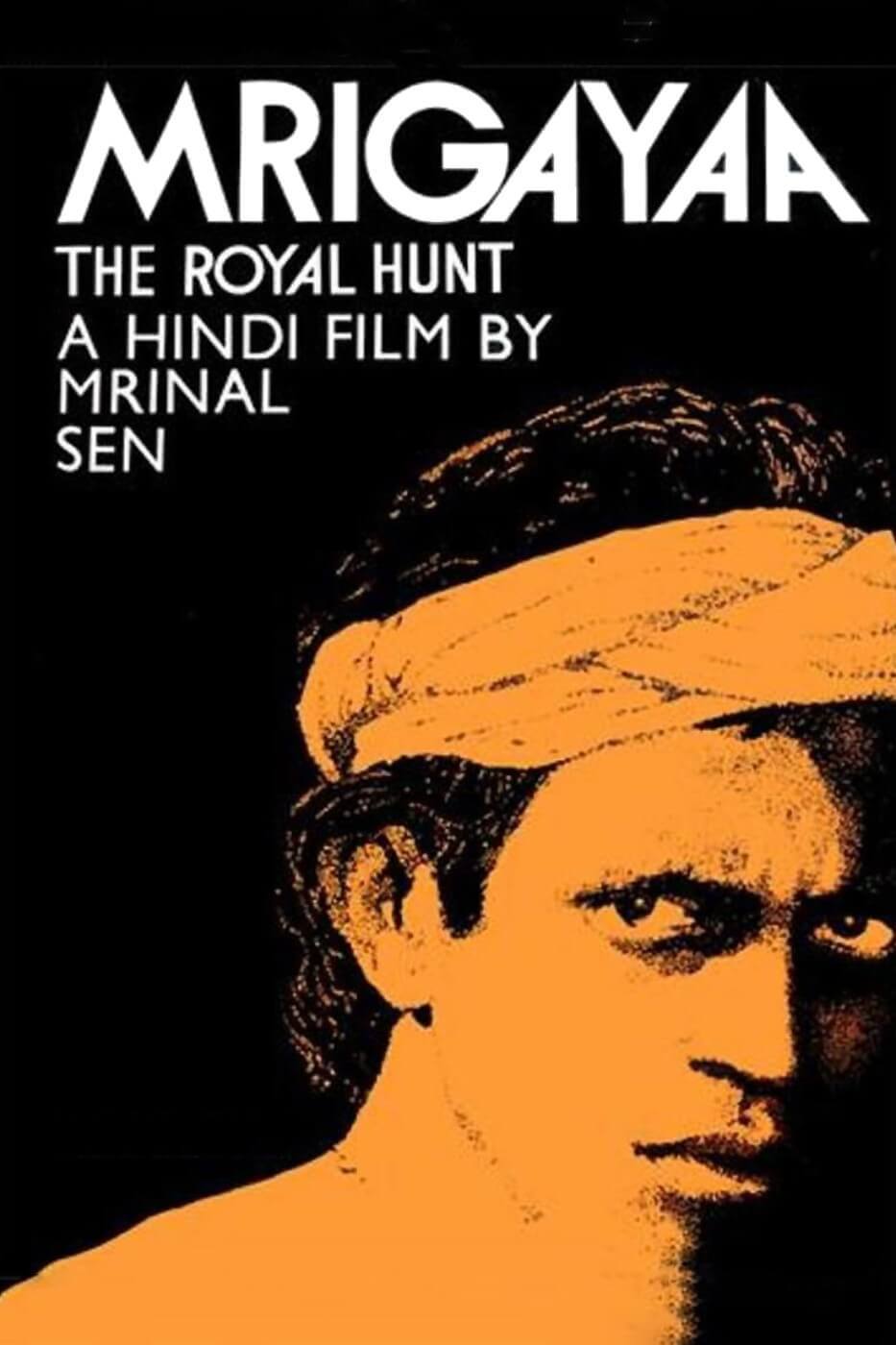
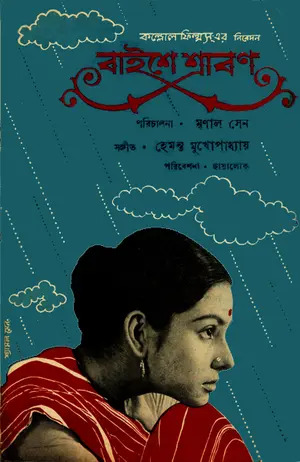
“Baishey Shravan” marked a turning point. Sen framed the wedding day of an elderly man and his young bride against the date of Rabindranath Tagore’s death — a decision controversial enough to create difficulties for the film’s release.
Then came “Punascha” in 1961, a film now difficult to locate in print. Yet within the rise of heroine-centred Bengali cinema in the early 1960s — alongside Neeta of “Meghe Dhaka Tara” and Arati of “Mahanagar” — Basanti of “Punascha” occupies an important place. The film portrayed dreams and aspirations collapsing within post-independence realities. Commercially, however, it failed.
After four consecutive unsuccessful films, Sen became deeply conflicted. He constantly searched for the source of his failure. During this period, Chidananda Dasgupta introduced him to a story by Achintyakumar Sengupta centred around divorce. The result was “Abasheshe”, a comedy exploring whether Sen could fit within the formulaic structure of Tollygunge commercial cinema. The advertisements promised “a face full of laughter, a drop of tears, an innovative presentation.” Yet Sen quickly realised that was not his path. After “Pratinidhi”, it was with “Akash Kusum” in 1965 that he truly discovered his own cinematic language.
By then, a radical transformation had taken place within his artistic consciousness. Watching François Truffaut’s “The 400 Blows” at a Mumbai film club deeply influenced him. Although the screenplay of “Akash Kusum” had already been completed, Sen returned to Kolkata and rewrote it entirely under the influence of the French New Wave. A new chapter in Bengali cinema began. Alongside Satyajit Ray and Ritwik Ghatak, Mrinal Sen emerged as a parallel force.
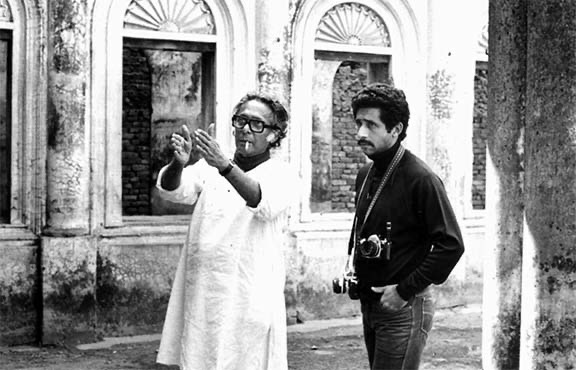
“Akash Kusum” and later “Bhuvan Shome” helped establish a distinct cinematic language in Indian cinema.
The 1970s introduced yet another Mrinal Sen — angry, contemporary, and fiercely political. A Kolkata trilogy emerged through “Interview”, “Calcutta 71”, and “Padatik”. “Chorus” could easily stand beside them. These films exposed political corruption, social unrest, and urban anxiety while shattering the conventional linear storytelling that had dominated Indian cinema until “Bhuvan Shome”. During this period, Sen drew inspiration from Jean-Luc Godard and increasingly moved away from romantic humanism toward a cinema of ideological confrontation.
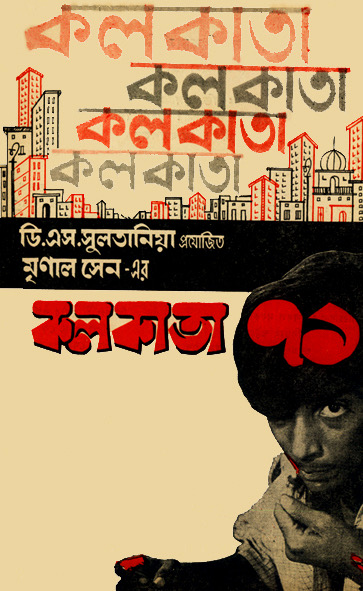
“I have taken fragments of physical reality and shaped them according to my will,” Sen once explained. “I gathered fragmented images and sounds of reality, joined them as I wished, created a world according to my own desire.”
From “Raat Bhore” (1955) to “Amar Bhuvan” (2002), Sen directed 28 feature films. Yet the seeds of cinema had been planted much earlier. At just 13, he wrote a short story titled “Chhayar Kaya”, published in Bharatbarsha magazine. The story followed a protagonist returning from a Greta Garbo film, lost in memory and imagination. It concluded with a remembrance of Rabindranath Tagore: “How far will you take me, O Beautiful?” That “Beautiful” was not the heroine, but cinema itself.
For Mrinal Sen, filmmaking was never merely a profession. It was an all-consuming passion. Deeply political, radically uncompromising, iconoclastic, and fearless, he constantly charted his own path. At times he stumbled, at times he failed, but he repeatedly returned with another cinematic revelation.
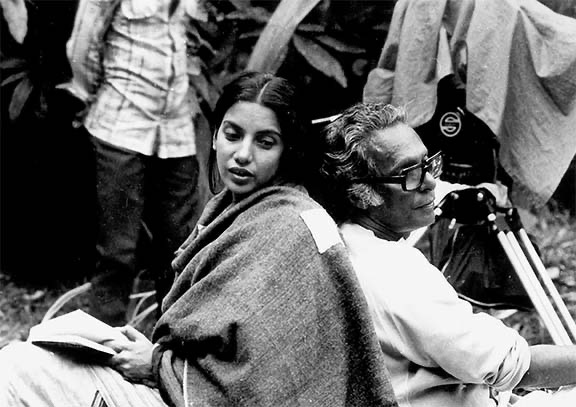
Among his most memorable works remains “Ek Din Pratidin” (1979), centred on the sudden disappearance of a working woman and its devastating impact on family and society. It became the first of his films to screen at Cannes.
Another masterpiece often discussed less frequently is “Akaler Sandhane” (In Search of a Famine). Constructed as a “film-within-a-film”, it explored with devastating intensity the relationship between the Bengal famine of 1943 and the realities of rural Bengal in 1980. The film reignited discussions around famine in Kolkata at the time and won the Silver Bear at Berlin in 1980.
Sen’s acclaimed 1982 film “Kharij” created a haunting psychological portrait of guilt, self-preservation, and class hypocrisy as a Kolkata couple confronts social and moral collapse following a tragedy. The film later won the Jury Prize at Cannes. Another remarkable work, “Genesis” (1986), explored the eternal complexities of human character in ways far ahead of its time.
 For all latest news, follow The Daily Star's Google News channel.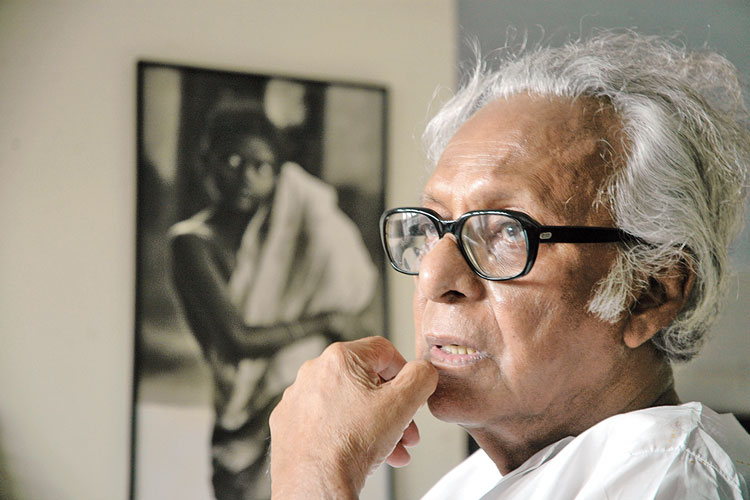
Mrinal Sen never surrendered to ideological rigidity. He rejected censorship, resisted commercial compromise, and made films according to his conscience.
“My intention is to communicate as effectively as I can to provoke the audience,” he once said. “The filmmaker has to be an agent provocateur; one who disturbs the spectator and moves him to action.”
His films were never simple entertainment. They were conscience. His cinema was realism, his art was truth, and his legacy was courage.
Within the towering triumvirate of Satyajit Ray, Ritwik Ghatak, and Mrinal Sen, each filmmaker transformed Bengali cinema differently. Ray universalised Kolkata through global cinematic language. Ghatak carried Bengali cinema into another emotional and philosophical dimension. Mrinal Sen, however, carried within his cinema the anxieties and political realities of India itself.
That is why his films continue to feel painfully contemporary. The social dogma, class tensions, and political anxieties embedded within his work remain strikingly relevant in present-day India. Had he been alive today, those realities would almost certainly have entered his cinema too.
On his birth anniversary, deep respect remains for Mrinal Sen. To witness cinema becoming a political weapon, one must return to him again and again.
Comments