


Medical waste: The hidden danger piling up behind hospital doors

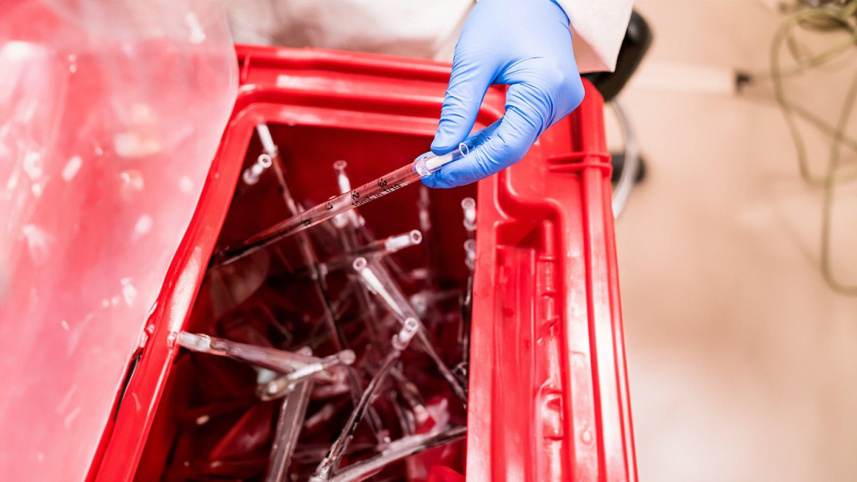
For most families in Bangladesh, a hospital symbolises healing, comfort and hope. Yet beyond the clean corridors and busy wards lies a growing crisis that rarely makes headlines. Every day, mountains of used bandages, syringes, medicines and other healthcare rubbish leave hospitals across the country. Much of it never receives safe treatment before ending up in open dumps, mixed with household waste or burned in the open air.
The scale of the problem is alarming. Bangladesh produces around 250,000 tonnes of medical waste every year, and a large share is never handled safely. According to global health experts, the country ranks among the highest in South Asia for the amount of medical waste produced per hospital bed. These figures are more than statistics—they represent a silent threat to people, communities and the environment.

The greatest danger begins when harmful waste is mixed with ordinary rubbish. A discarded needle picked up by a child, a waste collector handling unprotected materials, or polluted water flowing into nearby fields can all become part of a chain that spreads disease. What appears to be harmless rubbish can expose people to serious infections, injuries and long-term health problems.
The risks are not limited to hospitals. Families, waste workers, nearby residents and even farmers can be affected when unsafe disposal contaminates soil and water. Some viruses can survive on discarded needles for days, making accidental contact particularly dangerous. In many smaller clinics and informal healthcare facilities, poor handling and the reuse of medical items continue to increase these risks.
Although Bangladesh has rules for managing healthcare waste, putting them into practice remains a challenge. Separate bins are often missing, different types of waste are thrown together and responsibility is divided among several authorities. Without proper oversight, even well-designed policies fail to protect the public.
Many countries have shown that the problem can be solved. Germany carefully separates waste from the moment it is produced. Japan safely cleans medical waste before recycling useful materials. Sweden even turns treated hospital waste into energy for homes. These examples prove that what seems like a costly burden can become an opportunity when managed responsibly.
Bangladesh does not need to reinvent the wheel. Simple steps can make a meaningful difference. Every healthcare facility should separate harmful waste from ordinary rubbish at the source. Safer treatment methods should replace open burning, while a regulated recycling system can protect workers and reduce environmental damage. Above all, stronger coordination between health, environmental and local authorities is essential to ensure that existing rules are properly enforced.
Medical waste should never be an invisible problem. The rubbish leaving a hospital today can return tomorrow as polluted water, contaminated soil or preventable illness. Protecting public health begins long after a patient leaves the ward. Managing healthcare waste safely is not simply about cleaner hospitals—it is about safeguarding every community, every family and every future generation across Bangladesh.
Dr Shahed Imran is an Assistant Professor at the Institute of Child and Mother Health (ICMH), Dhaka. E-mail: ishahed86@gmail.com
 For all latest news, follow The Daily Star's Google News channel.
Comments