


The technology changing hip and knee surgery
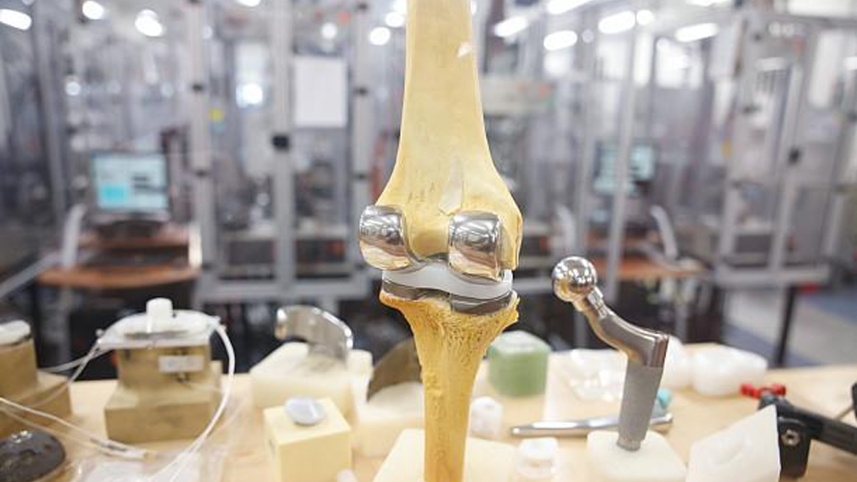
A new wave of 3D printing is quietly transforming hip and knee replacement surgery, promising better comfort, faster recovery and implants that fit people more naturally. What began as a tool for making prototypes has rapidly become a key part of modern production, with many leading manufacturers now using 3D printing as a standard method for creating replacement joint components.
More than one million hip and knee replacement surgeries are performed each year in the United States alone, according to a market report by IDTechEx, an independent research body specialising in emerging technologies and their markets. Behind these procedures, a major shift is taking place. Instead of relying entirely on traditional manufacturing, companies are producing replacement parts with carefully designed tiny openings that allow the body’s own bone to grow into them. This helps the implant stay firmly in place without relying as heavily on bonding materials.

The greatest strength of 3D printing lies in its remarkable precision. It can produce detailed shapes that are extremely difficult to achieve through older manufacturing methods. After printing, each part is carefully finished to create a smooth surface where needed while preserving the structure that supports natural bone growth.
Another exciting development is personalised joint replacement. Using detailed body scans, manufacturers can create implants shaped around an individual’s unique anatomy. These custom-made options are especially valuable for people whose joints have already been operated on or have unusual shapes. Although they currently take several weeks to design and produce, they offer hope for patients with more complex needs.
The technology is also helping surgeons before an operation even begins. Specially printed guides, designed for each patient, can improve accuracy during surgery and may shorten the time spent in the operating theatre.
Experts believe the future of joint replacement will extend beyond today’s metal implants. New materials that are lighter and highly durable are attracting growing interest, and 3D printing is expected to play a major role in shaping them.
As production costs continue to fall, personalised and advanced joint replacements could become more widely available, making treatment more effective for many people. What was once viewed as an experimental idea is now steadily becoming the new standard, offering fresh hope to patients seeking a more comfortable and active life after joint replacement.
While adoption will take time, the direction is clear. Better fitting implants, smarter planning and more precise surgery could reduce complications, improve movement and help people return sooner to routines with confidence.
 For all latest news, follow The Daily Star's Google News channel.
Comments