


British Museum exhibition puts female Samurai in the spotlight
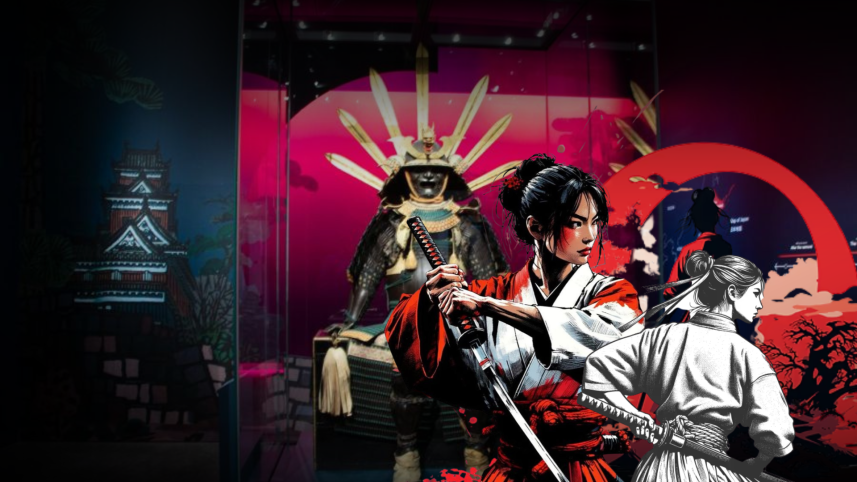
For generations, the samurai have been one of Japan’s most recognisable symbols: fearless warriors in armour, men with swords in hand, moving with discipline, speed and precision. For many of us, they were the ultimate image of strength, courage and masculinity. Films, television shows and video games have only strengthened that image. But that image was only a part of the story.
A new exhibition at the British Museum reveals that women made up around half of Japan’s samurai class, challenging one of the most familiar ideas we have about these legendary figures. The samurai were not quite the simple warrior class we often imagine them to be.
The term ‘Samurai’ referred to an elite social class whose role changed over centuries, from military service to administration, scholarship and the arts. Women were an important part of that class too, even though many did not fight on the battlefield.

The samurai world included weapons and armour, but it also included books, clothing, art, etiquette and everyday domestic life. Women were not outsiders to that world. They were part of the order that helped sustain it.
And this is where the samurai story becomes a mirror for us today. It is fascinating how history shows us flexibility, yet modern daily life remains obsessed with artificial boundaries.
Centuries later, we still hear people deciding what men and women can or cannot do simply because of their gender. Older generations still love to drop casual comments about what women allegedly can or cannot do, treating physical strength or leadership as exclusive male territory.
Women often hear that certain careers or ambitions are unsuitable for them, even as they are flying planes, leading armies and even travelling into space. Centuries ago, they were even managing complex estates, navigating high-level diplomacy and sustaining an entire governing class. The question should never have been whether a woman belongs in a certain field, but whether she has the skill and determination to succeed in it.
The same stereotypes can limit men too. A man who chooses cooking, art, fashion or other traditionally feminine fields can face ridicule or questions about their masculinity. Yet some of the world’s most celebrated chefs are men, just as male artists and designers have shaped entire industries.
The samurai story matters because it shows that gendered expectations are not natural or timeless. They are often built, repeated and simplified until they feel like truth. Stereotypes limit human potential on every front. Society should not treat gender as a boundary when history itself shows that people have always lived beyond those.
 For all latest news, follow The Daily Star's Google News channel.
Comments