


A festival out of reach for many in Dhaka


Eid, a time traditionally marked by joy, celebration and togetherness, has brought little cheer to many of the capital’s low-income residents this year, as rising prices and shrinking incomes erode their ability to observe the festival.
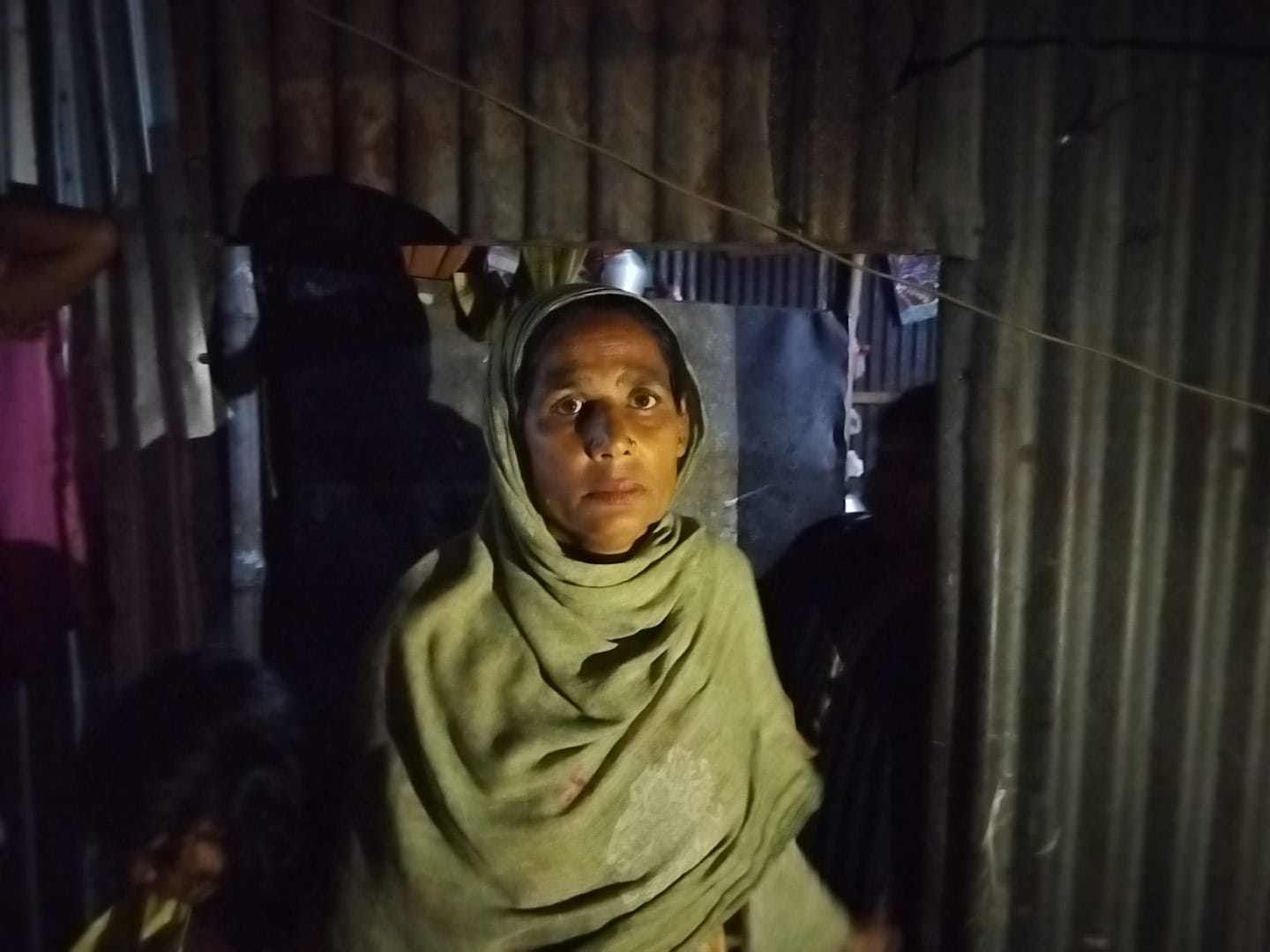
For 48-year-old Tania Begum, who lives in a slum in Bhashantek, the day has passed in quiet hardship rather than festivity.
“Today is Eid, but there is no preparation for cooking in my home,” she said.
“There can be nothing more painful than this.”
For Tania and many others in Dhaka’s poorer communities, the festive season has become a struggle for survival rather than celebration.
Without the means to buy new clothes or prepare a meal, she and her daughter have relied on the generosity of neighbours.
Tania said her husband died 16 years ago, after which she worked as a domestic helper to support her family. Three months ago, she was diagnosed with a tumour, and her worsening health has forced her to stop working.
Her daughter, employed at a garment factory, has not been paid for the last five months. “Since then, there’s been a dark shadow over our family,” she said.
“I received a family card, and after getting that money, we managed for a few days. But what can that little money do in a home where debt and hunger are constant?” she added.
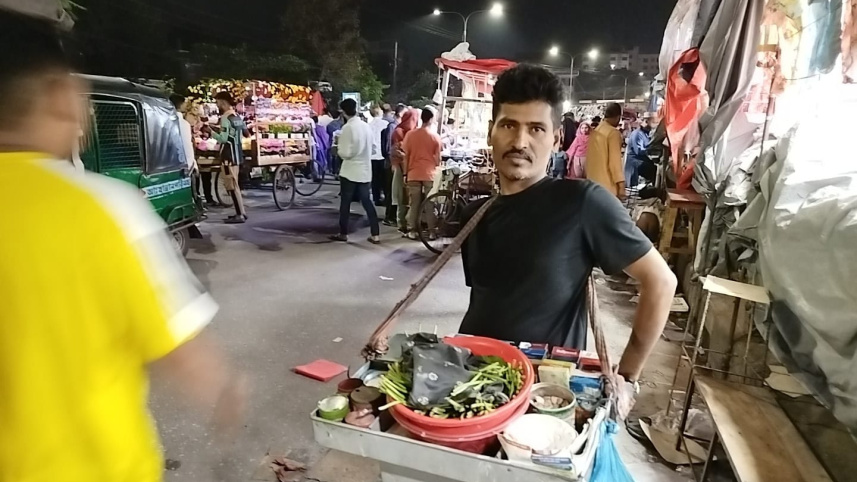
In Mirpur-12, 42-year-old Badsha Mridha, who sells betel leaves, cigarettes and chocolates, said he has struggled to provide even the bare minimum for his family of four.
“I can’t even bear to look at my children’s faces -- they look bereft of joy, weighed down by worry,” he said.
He managed to buy shoes for his wife and two children for Tk 1,100, but could not afford new clothes.
“It hurts to see them like this,” he said.
Earning between Tk 250 and Tk 300 a day, Badsha said most of his income goes towards rent and basic expenses, leaving nothing for Eid.
Unable to afford meat, he gave his wife Tk 200 to buy chicken gizzards and liver for the Eid meal.
“I’ve never experienced an Eid like this before. Even last year, I could afford to buy broiler chicken,” he said.
In Farmgate, 42-year-old rickshaw puller Akbar Mia said his daily income has dropped sharply over the past year.
“I used to earn Tk 600 to Tk 700 a day, but now it’s down to Tk 350 to Tk 400,” he said.
Supporting a family of six, Akbar said the financial strain has intensified during Eid.
He said he could only buy clothes for his children.
“If I had bought clothes for my wife and me, we would have nothing left for food,” he said.
“My wife called me this morning, and I could hear the disappointment in her voice. She feels bad because I’m not home for Eid.”
The struggles of these families come against a backdrop of rising inflation.
Overall inflation rose to a ten-month high of 9.13 percent in February, up from 8.58 percent in January, according to the Bangladesh Bureau of Statistics.
February marked the fourth consecutive monthly increase since inflation hit a 39-month low of 8.17 percent in October.
Food inflation surged to 9.30 percent in February from 8.29 percent the previous month, while non-food inflation rose to 9.01 percent from 8.81 percent, reflecting continued pressure in housing, transport and healthcare.
Bangladesh has been grappling with persistent inflation for more than three years, with the burden falling hardest on poor and low-income households, who spend a larger share of their earnings on food and have limited capacity to absorb rising costs.

 For all latest news, follow The Daily Star's Google News channel.
Comments