


Our garments cannot come at the cost of our rivers

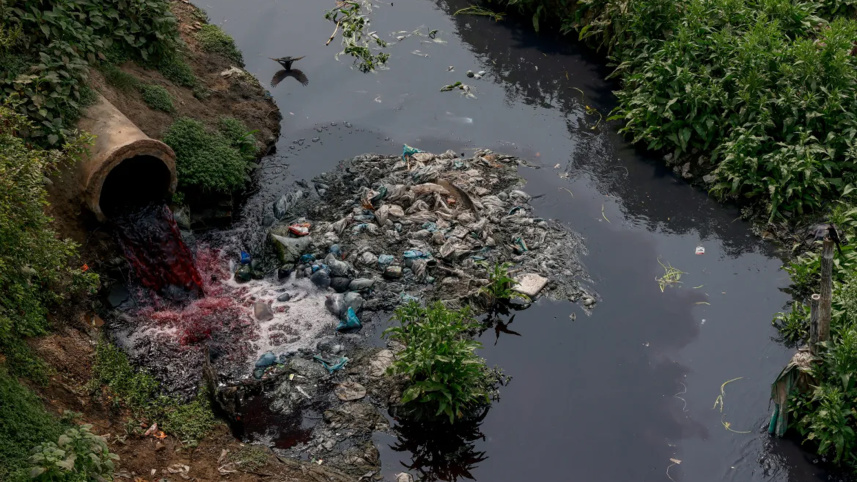
Bangladesh’s garment industry has transformed the country’s economy, but one part of that success rarely appears in export statistics. It is the unfortunate environmental costs borne by the country’s rivers. International buyers benefit from low production costs, while weak environmental enforcement allows part of those costs to be shifted onto Bangladesh’s rivers and surrounding communities, and this is the hidden environmental subsidy behind cheap fashion.
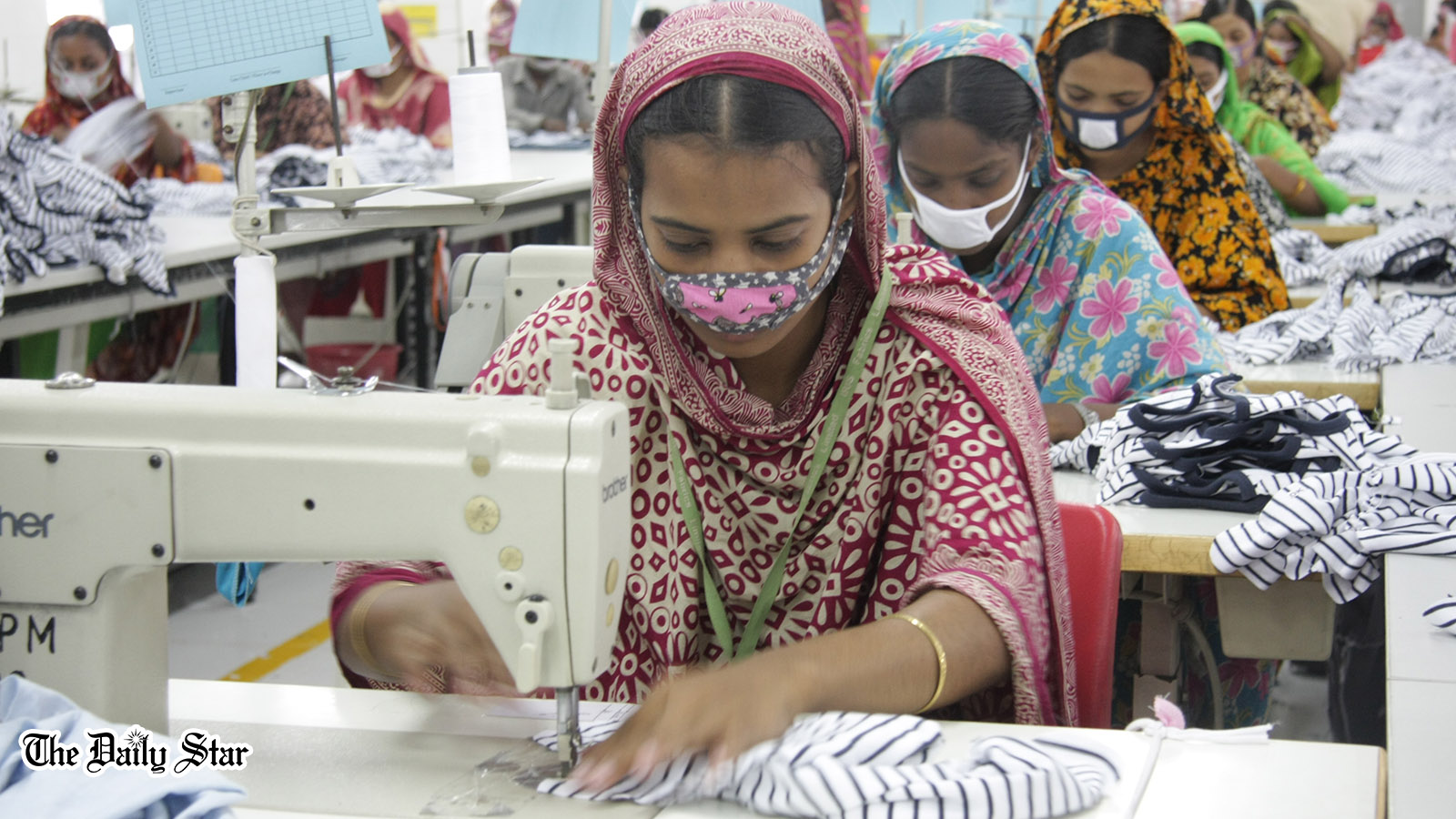
This is not an argument against the garment industry, but an argument for recognising its unseen environmental costs. According to the World Bank, Bangladesh’s ready-made garment industry accounts for nearly 80 percent of the country’s export earnings. The same report also identifies the sector as the country’s largest source of industrial water pollution. Over 7,000 factories in the greater Dhaka region dump over 2.4 billion liters of untreated effluents into nearby water bodies every day. This does not mean that all factories pollute equally, but they do suggest that the current regulatory system has struggled to prevent widespread pollution.

Many multinational fashion brands publicly commit to ambitious sustainability goals such as “carbon neutrality”, “circular fashion”, or “net-zero supply chains.” Yet, the physical and institutional distance between global brands and their production sites often allows environmental costs to remain disconnected from corporate sustainability reports. However, it would be a gross mistake to pin the blame entirely on others. The Department of Environment remains constrained by limited staffing, lack of financial resources, and enforcement capacity, while political and economic forces tend to hamper its enforcement process. The real question is whether effluent treatment plants operate consistently and effectively. The problem is therefore not simply the absence of environmental laws but their inconsistent implementation.
Bangladesh now has 273 LEED-certified green garment factories—factories recognised for their commitment to sustainable building practices and reduced environmental impact—which indicates that there has been some progress. But green buildings alone cannot restore polluted rivers. Green certifications alone do not automatically guarantee that wet processing, dyeing, washing, and wastewater discharge are being managed across the entire production chain. For decades, Bangladesh’s industrialisation has treated environmental protection as something to address after economic growth rather than alongside it. Even though this model generates short-term economic gains, in the long run, it creates a lot of environmental and public health liabilities. The human cost is also larger than the language of “environmental degradation” suggests. The Lancet Commission’s Bangladesh brief estimated that pollution in air, water, and soil was responsible for 26.6 percent of all deaths in Bangladesh. This does not mean the garment industry alone is responsible for that burden, but it shows that environmental pollution is simultaneously an environmental, public health, poverty, and justice issue. The people bearing these costs are the farmers who can no longer irrigate with river water, garment workers whose lungs have absorbed years of textile dust, and children in riverside slums whose developmental delays will never appear in a corporate ESG (environmental, social, and governance) disclosure. They simply exist in the geography of someone else’s profit margin.

This matters for Bangladesh’s international credibility as well. We rightly speak on global platforms as a victim of climate injustice, but credibility becomes harder to sustain when we tolerate preventable pollution at home in the name of export growth. Bangladesh cannot ask the world to recognise environmental justice while ignoring the environmental injustice suffered by its own river communities. We cannot be simultaneously the world’s climate conscience and its pollution convenience.
So, now the question is what has to change? “The polluter pays” framework must become real rather than theoretical. If the cost of treating waste exceeds the expected penalty for illegal discharge, pollution becomes the economically rational decision. So, the government should raise the fines for polluters substantially, publish the names of those who violate the laws, and make the monitoring data available to the public. This issue is becoming increasingly urgent because environmental compliance is evolving from a domestic regulatory concern into a condition for maintaining access to international markets. “Made in Bangladesh” must mean dignity, skill, and strength. However, it should not mean that the final price of a shirt is kept low because the real cost has been transferred to a river. The Buriganga should not be a balance sheet, the Turag must not be a dumping ground, and the Karnaphuli should not be collateral damage in an export strategy.
Samim Rahman Bhuiyan is a researcher at the International Centre for Climate Change and Development (ICCCAD). He can be reached at bsamimrahman@gmail.com.
Views expressed in this article are the author's own.
Follow The Daily Star Opinion on Facebook for the latest opinions, commentaries, and analyses by experts and professionals. To contribute your article or letter to The Daily Star Opinion, see our guidelines for submission.
 For all latest news, follow The Daily Star's Google News channel.
Comments