




Tajuddin Ahmad: A life for Bangladesh
23 July 2026
•
Slow Reads Special
Interactive / The haor crisis explained
16 May 2026
•
The Haor Crisis
Interactive: Bangladesh Labour History · 1881 - 2026 / Fight for Justice
30 April 2026
•
In Focus
Justice at work for all
30 April 2026
•
Slow Reads Special
The Price of Labour
23 April 2026
•
Slow Reads Special

Interactive / How many more lives before workplaces become safe?
23 April 2026
•
Price of Labour
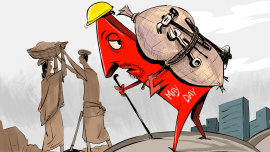
The expansion of wage labour and the message of May Day
1 May 2026
•
Big Picture
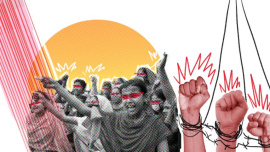
In conversation with Richard Wolff / Can workers seize the opportunity as Western capitalism declines?
30 April 2026
•
Big Picture

Beyond reform: Securing dignity for Bangladesh’s workers
30 April 2026
•
Unheard Voices

Tajuddin Ahmad: A life for Bangladesh
On Tajuddin Ahmad's 101st birth anniversary, revisiting his life, leadership, and enduring legacy.
23 July 2026
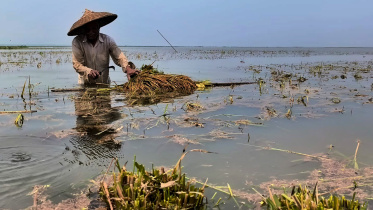
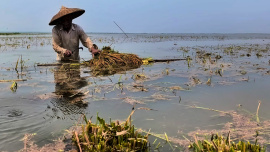
The haor crisis explained
The crisis in the Haor region of north-eastern Bangladesh is explained in an interactive, Slow Reads Special.
16 May 2026

Haor crisis is fundamentally a management failure: Ainun Nishat
A defining factor is the massive rainfall it receives upstream. Across the border lies Cherrapunji, historically the wettest place on Earth.
16 May 2026
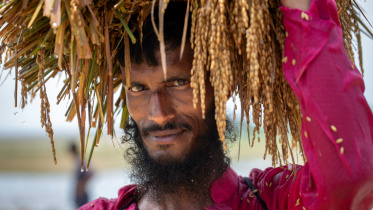
Haor crisis turning into a national crisis: Is the government aware?
Bangladesh's haor floods severely threaten national food security, demanding systemic livelihood recovery, climate adaptation, and debt relief.
13 May 2026
The slow death of the haors and their swamp forests
The destruction of ancient swamp forests and upstream mining has caused the disastrous flooding of Bangladesh’s haors.
12 May 2026
‘Development’ tragedy in haor: Ami jamu hourbari pakka rasta chai
Unplanned infrastructure in Bangladesh’s Haor region causes severe ecological damage, demanding sustainable floodplain management over destructive roads.
11 May 2026
Haor farmers are dying, why does no one care?
The agrarian crisis in Bangladesh's haor region stems from structural neglect, threatening farmers' livelihoods and agricultural sustainability.
4 May 2026
The expansion of wage labour and the message of May Day
Capitalist exploitation and wealth inequality in Bangladesh highlight why the May Day legacy remains vital for labour rights.
1 May 2026
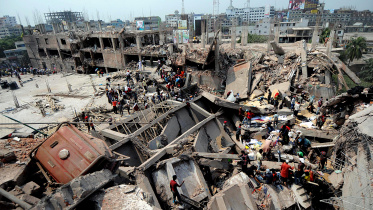
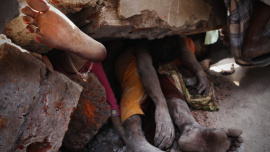
Why Rana Plaza survivors are still protesting
Thirteen years after Rana Plaza, survivors demand compensation, accountability, and dignity the state has yet to deliver.
30 April 2026

Beyond reform: Securing dignity for Bangladesh’s workers
ILO Director-General reflects on Bangladesh’s labour progress, reforms, and global work challenges on International Labour Day message
30 April 2026
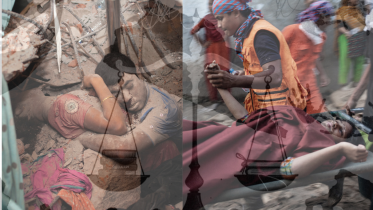
A closer look at Bangladesh’s new labour law: Gains and gaps
Bangladesh’s new labour law reflects hard-won gains, yet key gaps persist, leaving workers’ rights and protections incomplete.
30 April 2026
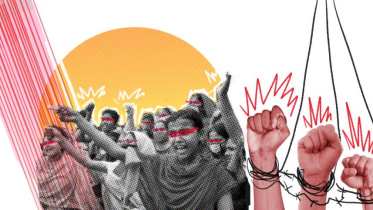
Can workers seize the opportunity as Western capitalism declines?
Richard Wolff argues that capitalist decline and Western hegemony offer the Global South opportunities for working-class organisation.
30 April 2026

The app treats me like a number: The uncertain lives of Dhaka’s ride-hailing drivers
Across Dhaka, app-based drivers chase flexibility while confronting instability, revealing how temporary work quietly becomes enduring reality.
30 April 2026
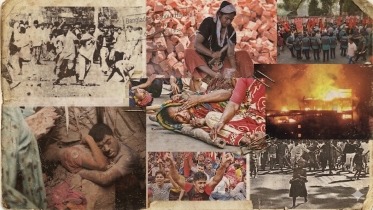
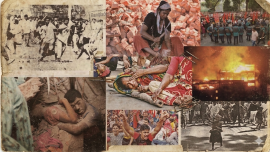
Fight for Justice
This timeline traces key moments, documenting adversity and progress, and offering insight into the quest for justice.
30 April 2026
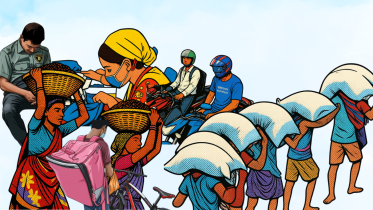
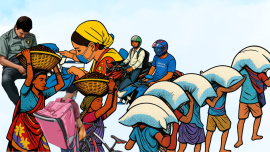
Justice at work for all
The history of labour in Bangladesh is a story of struggle and resilience, as workers—from colonial plantations to modern garment factories—have shaped the nation’s economic and political trajectory.
30 April 2026
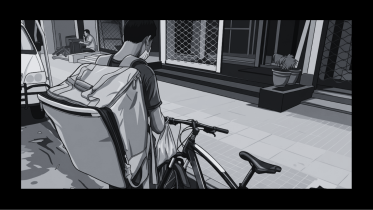
Between flexibility and uncertainty: The lives behind Dhaka’s food delivery
In Dhaka, food delivery riders power everyday convenience while navigating unstable earnings, risks, and an uncertain future.
30 April 2026

Servants of an algorithm: May Day and the fight for the South Asian digital working class
Platform labour represents a modern digital colonialism, exploiting South Asian gig workers through relentless algorithmic management systems.
30 April 2026
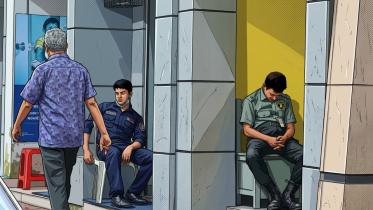
Unseen struggles of ATM security guards in Bangladesh
In ATM booths, guards endure relentless hours, low pay, and invisible hardships that rarely spark change.
30 April 2026
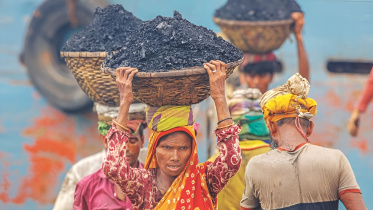
Fixing a labour justice system that fails workers
A legal framework, however well intended, is only as effective as the institutions that implement it.
30 April 2026
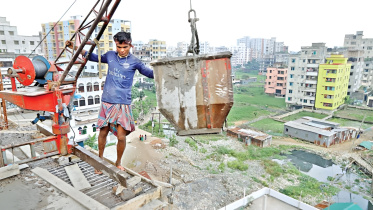
Who counts as a worker?
May Day, thus, needs to move beyond symbolic celebration.
30 April 2026