


What Bengal Made and Let Others Claim
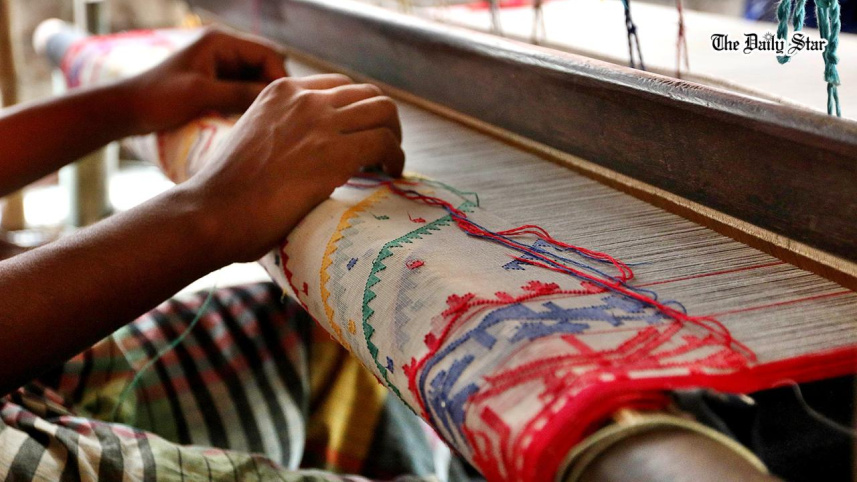
For most of the seventeenth and eighteenth centuries, Dhaka was the capital of the world's muslin trade. The fabric it produced was so fine that the claim passed down through generations, that a six yard sari could be pulled through a finger ring, has been demonstrated to be true. Historians reached for weightier language: "woven wind," "vapours of dawn." At its peak the yarn reached a thread count of 1,200, spun from a cotton called phuti karpas that grew along the Meghna, through sixteen elaborate stages of work, the fibre cleaned with the toothed jawbone of a boal fish, the thread spun in boats in the early morning because only humid air would let it stretch without snapping.
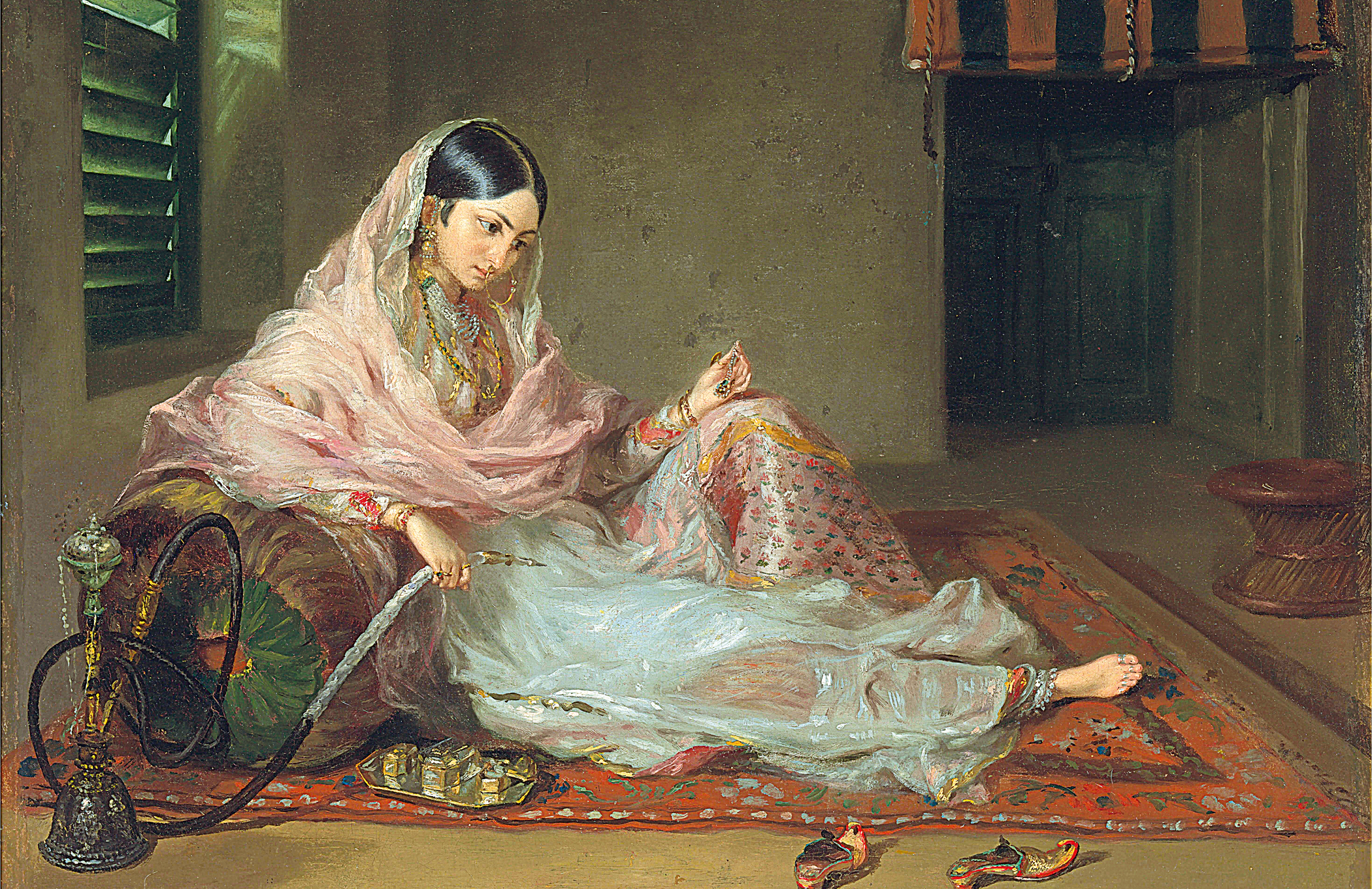
This was not a local curiosity. The Romans coveted it; through their trade routes muslin reached Europe and became highly popular in France. Mughal emperors refused to be painted in anything else. It travelled east to Java and China, where the fourteenth century traveller Ibn Battuta recorded how prized it was. And it reached the European courts of the late eighteenth century, where it scandalised polite society by being too sheer for decency. Queen Marie Antoinette and Empress Joséphine Bonaparte both wore it, at a moment when French elite fashion still revolved almost entirely on silk, until muslin displaced it under exactly their patronage. A cotton cloth from Bengal briefly out-dressed anything Lyon could weave.

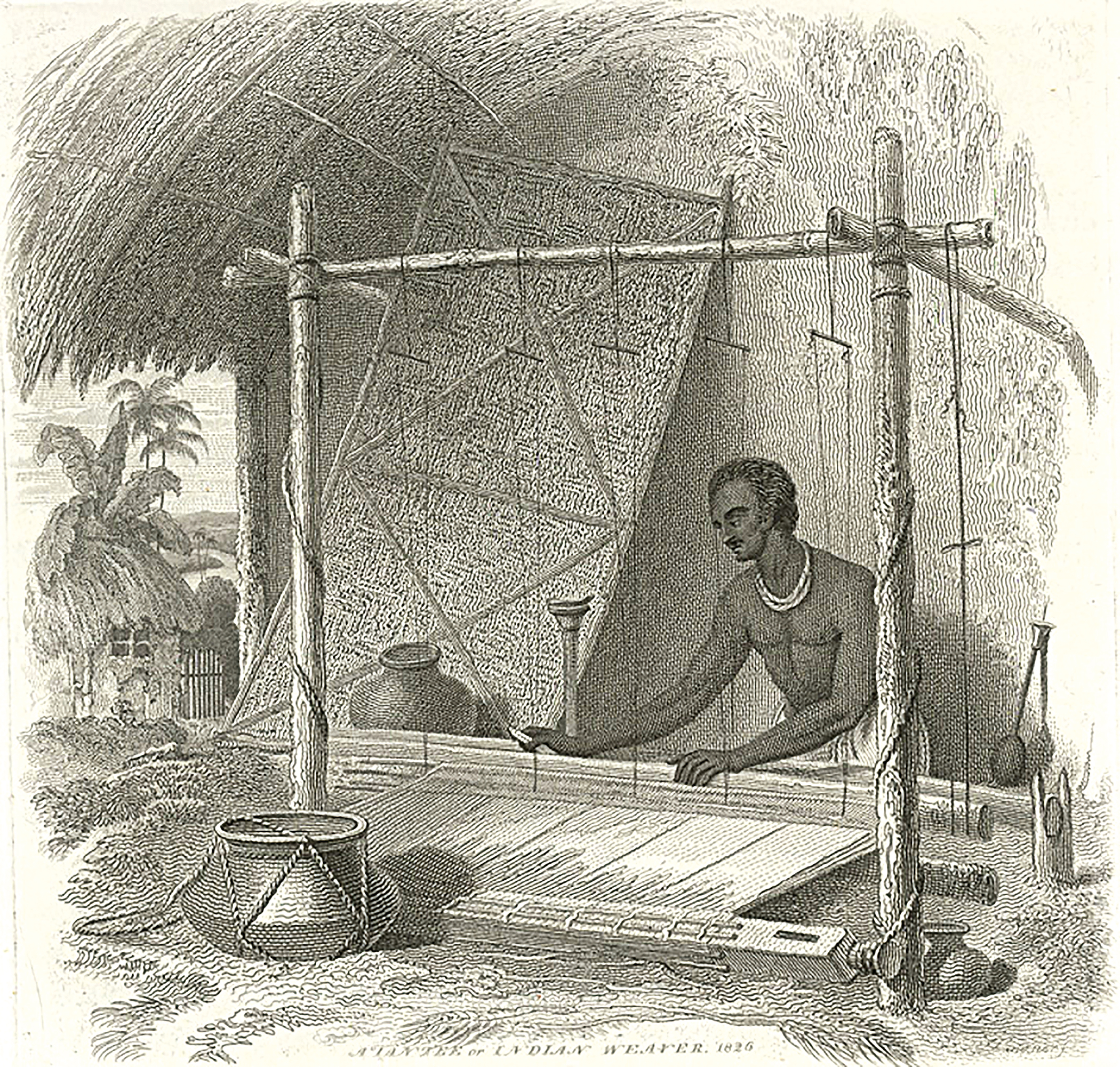
Then it was destroyed. British colonial policy favoured the cheap, mill made cloth of industrial England, and the finer, slower fabric could not survive the competition. Famine scattered the artisans; the technique lived in their hands, not in any written record, and it died with them. A merchant named William Bolts recorded in 1772 that thumbs were cut off to stop production, a charge that survives equally in the archive and in the stories uncles still tell over afternoon tea. Phuti karpas itself went extinct along the banks of the Meghna.
Muslin was the summit, but it did not stand alone. The same rivers that carried it, the same districts around Dhaka, gave rise to jamdani, the figured weave that outlived its more famous cousin. When the technique for muslin died, jamdani survived, though even today the revived version of it barely clears a hundred thread count against muslin's twelve hundred. In 2013, UNESCO recognised the art of jamdani weaving as intangible cultural heritage. These are not two crafts but one continuous lineage of the hand, and that lineage runs wider still, into the embroidered nakshi kantha stitched from worn cloth, the beaten brasswork, the worked leather, each of them the labour of a maker who learned it from another maker and left no manual behind.
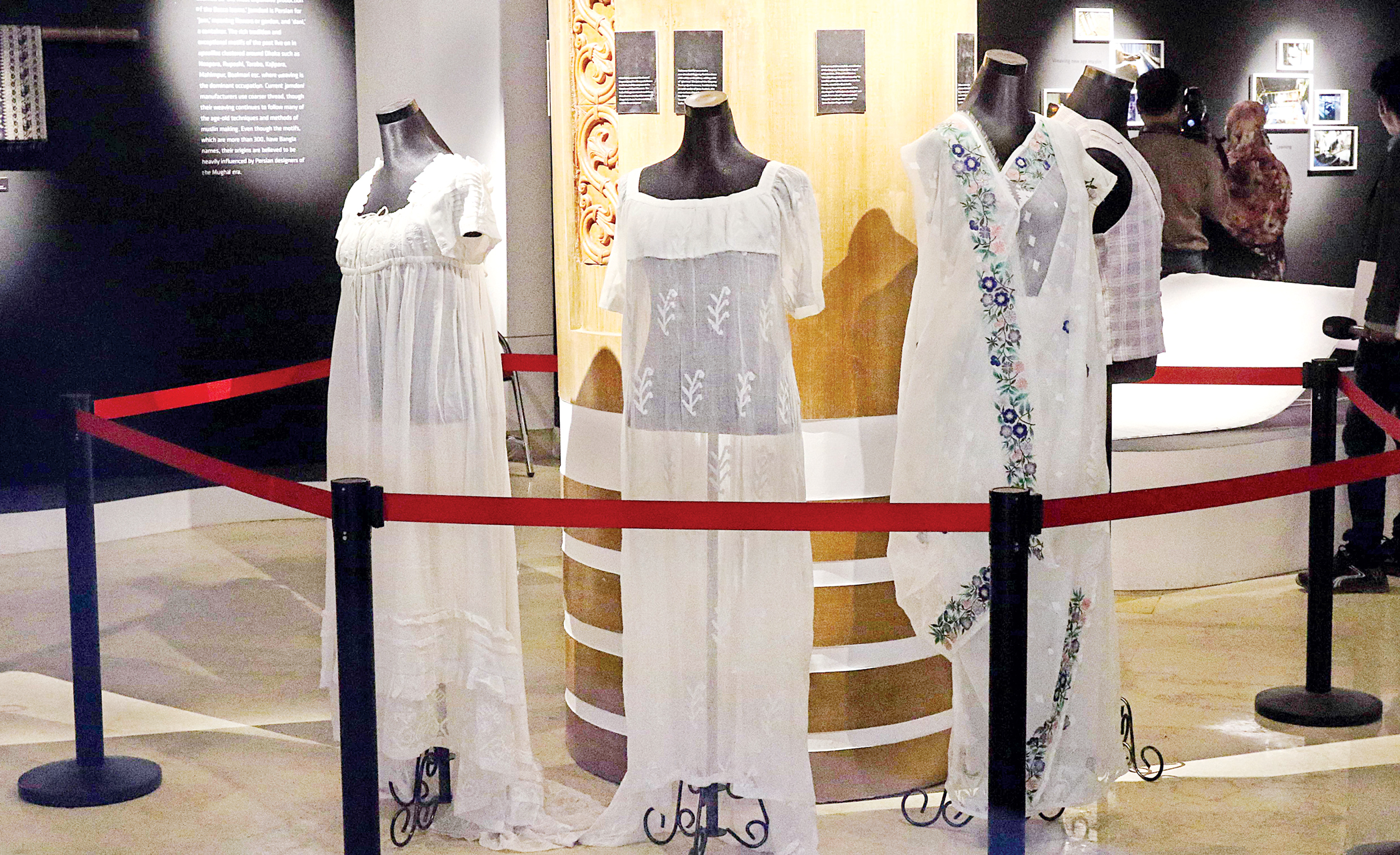
It took two centuries to begin again. In 2014 the Ministry of Textile and Jute set specialists to the question of whether muslin could be rewoven at all, locating a surviving sample through the Victoria and Albert Museum in London and eventually producing six saris. A trainer named Mohsena Begum, working entirely by hand because no machine can hold thread this delicate, brought her yarn count to 550; her students have since reached 731, still short of the historical 1,200 but the closest anyone has come in two hundred years. Separately, the organisation Drik pursued its own revival under Saiful Islam, even producing a graphic novel in 2016 so that the next generation would inherit the story if not yet the cloth. Jamdani, muslin's surviving cousin woven on the same rivers, was recognised by UNESCO as intangible cultural heritage in 2013; muslin now carries Bangladesh's GI status.
Here is the uncomfortable part. France did not become the world's arbiter of luxury because its craft was unmatched. It built the institution to make the claim, the vocabulary of savoir faire and patrimoine, the maisons, the industry bodies that guard the word. Italy did the same with "Made in Italy," a mark of quality manufactured as much in language as in the workshop. Bengal made the object and let others name it. The muslin that captivated Versailles is remembered in Europe as a European fashion moment. The finest cloth the world has ever produced was woven here, and the word for what it was, luxury, was written somewhere else.
Two hundred years on, a woman in Cumilla spends three to four days spinning a single gram of thread. The skill has come home. The question is whether the country that made it will ever build the thing France built around far less: a name of its own to keep it under.
 For all latest news, follow The Daily Star's Google News channel.
Comments