


Advancing Banking Industry in Bangla QR
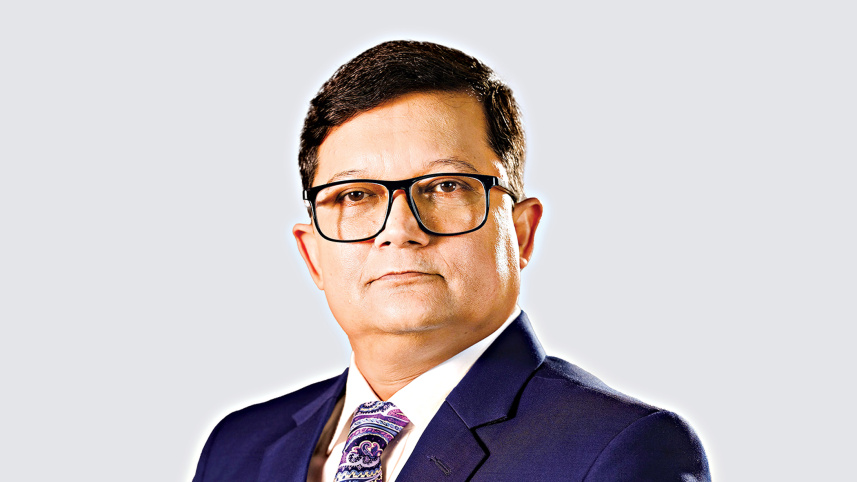
Tareq Refat Ullah Khan
Managing Director & CEO
BRAC Bank PLC.

Bangladesh now faces an important policy decision. We need a clear national framework on how the costs of Bangla QR infrastructure and the Merchant Discount Rate should be shared among the government, Bangladesh Bank, commercial banks, payment networks and merchants.
Bangla QR drives financial inclusion by offering small merchants secure transactions and a digital footprint to access formal credit. In this interview, Tareq Refat Ullah Khan, MD & CEO of BRAC Bank PLC, discusses these benefits and how BRAC Bank is working to lead industry adoption.
TDS: What initiatives has BRAC Bank undertaken to accelerate Bangla QR adoption among small businesses, SMEs and retail customers?
Tareq Refat Ullah Khan (TRUK): BRAC Bank has consistently prioritised digital payments across all customer segments. The success of Bangla QR depends largely on having a robust, user-friendly digital platform that enables fast, seamless and secure transactions. BRAC Bank supports digital payments through its Astha app, which processes over BDT 25,000 crore monthly. Alongside its subsidiary bKash, the bank is expanding its Bangla QR footprint across retail, SME, and corporate segments. Key initiatives include mandatory QR onboarding for new SME accounts and partnering with pharmaceutical companies to facilitate merchant payments.
TDS: What are the key challenges in popularising Bangla QR among small retailers, and how is BRAC Bank addressing them?
TRUK: One of the biggest challenges is changing merchant behaviour and encouraging greater acceptance of digital payments. A considerable number of small retailers still do not maintain bank or mobile financial service accounts. Bringing them into the formal financial system remains a prerequisite for widespread adoption of Bangla QR. Another challenge is transaction costs. Some merchants remain hesitant because accepting digital payments often incurs fees.
TDS: What technologies and policies does BRAC Bank follow to ensure the security of QR-based transactions, prevent fraud and strengthen customer confidence?
TRUK: At BRAC Bank, safeguarding customer data and digital infrastructure is a critical operational priority. We secure our digital channels using robust data encryption, data loss prevention (DLP) mechanisms, and multi-factor authentication in line with international best practices. Real-time threat detection is managed through an advanced Security Operations Centre (SOC) utilising SIEM and SOAR platforms, ensuring full compliance with Bangladesh Bank regulatory guidelines. Our strategy features a dedicated Cyber Incident Response Team and is expanding to include AI analytics, threat intelligence, and regular vulnerability assessments to ensure a secure QR ecosystem.
TDS: What advice would you give customers using the Bangla QR platform?
TRUK: One of the biggest advantages of Bangla QR is its interoperability. Customers no longer need to search for a specific bank’s or payment service provider’s QR code while shopping. They can scan a single Bangla QR code and complete the payment instantly. However, customers should always verify the merchant’s name and the transaction amount displayed on the screen before entering their PIN or OTP. Under no circumstances should they share their PIN, password or OTP with anyone. Another important benefit of digital payments is that every transaction creates a secure and reliable financial record.
TDS: What policy measures should the government consider to accelerate nationwide adoption of Bangla QR?
TRUK: Bangladesh Bank has currently set the Merchant Discount Rate (MDR) for Bangla QR transactions at 1 per cent for general merchants. The experiences of countries such as India and Thailand provide valuable lessons. During the early stages of QR payment adoption, these countries made digital payments almost free for merchants and consumers. This did not eliminate processing costs; rather, those costs were shared among governments, central banks, payment networks, and participating financial institutions, rather than borne primarily by merchants.
 For all latest news, follow The Daily Star's Google News channel.
Comments