


Protect people from online loan scams
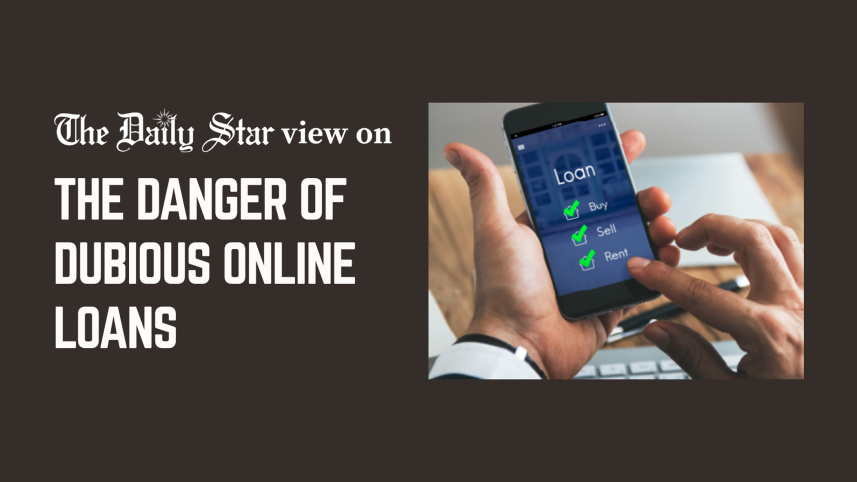
We are deeply concerned by the growing prevalence of online scams that prey on people facing financial hardship. Fraudsters reach people through phone calls, text messages and social media advertisements, as well as Facebook pages and other digital platforms, to lure victims with promises of cheap loans and unusually high returns. For lower- and middle-income people who know little about cybercrime, such offers can seem like an easy way out, but they can cause serious financial losses. Several apps and websites, including FinCash, Money, PopKash, CashNow, Drutoloan, Fast Loan, Shathi Loan and Quickloan, have reportedly been used to carry out such fraudulent activities.
The experience of Touhida Akter is a case in point. The homemaker reportedly lost her life savings after responding to a Facebook page offering loans at a seemingly attractive interest rate. After paying Tk 450 for an application, she was asked to deposit Tk 1 lakh as a refundable security deposit for a Tk 5 lakh loan. Once she transferred the money, the page stopped responding. Alarmingly, such transactions allow scammers to gain access to borrowers’ contacts, photos and videos, which can then be used to harass and threaten them.

Worryingly, these scams are no longer limited to fake loan offers. Social media and websites are also being used to promote illegal gambling, betting, cryptocurrency trading and other fraudulent schemes. The Bangladesh Financial Intelligence Unit (BFIU) recently detected and closed more than 20,000 mobile financial service accounts linked to gambling, betting and cryptocurrency trading, while police are also investigating complaints. The Bangladesh Bank has warned that some entities lure people with promises of unusually high returns, while others obtain money by tricking customers into sharing OTPs or falsely promising refunds and government benefits. The central bank has also made it clear that loan-offering apps operating without authorisation are illegal. But while payment service providers and mobile financial service operators can often identify suspicious transactions and take action themselves, they cannot screen every transaction, allowing some suspicious transfers to go undetected. Therefore, stronger oversight by the authorities is needed to stop these scams.
It is, however, reassuring that the government has enacted the Gambling Prevention Act, 2026 replacing the colonial-era Public Gambling Act, 1867 to tackle online gambling, betting and digital gambling networks. But stronger enforcement is needed to ensure that the law has a real impact. The authorities must also take coordinated action in this regard. Bangladesh Bank, law enforcement agencies, the BFIU and financial service providers must improve coordination and strengthen mechanisms to detect suspicious transactions and trace stolen funds. At the same time, people must be made aware of illegal lending apps, unrealistic investment offers and requests for upfront payments or sensitive personal information. Overall, the authorities must act decisively to stop these scams, hold those responsible accountable and protect people from falling victim to them.
 For all latest news, follow The Daily Star's Google News channel.
Comments